





À propos de Bakalian Flour Mills
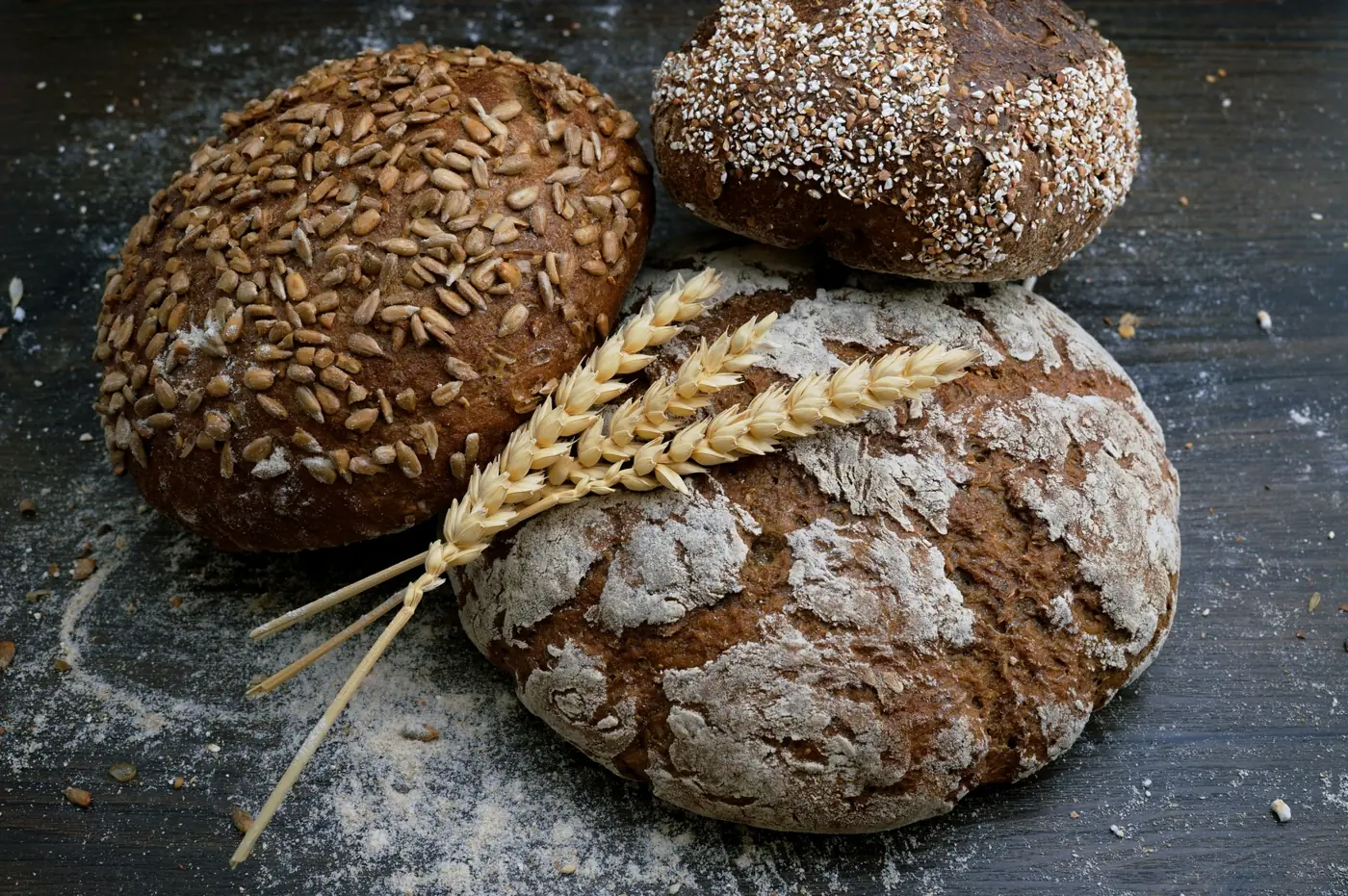
Bakalian Flour Mills is a long-established Lebanese flour miller and a foundational name in the country’s baking supply chain. While consumers see the finished loaves and pastries, it is millers like Bakalian that provide the raw material for much of Lebanon’s baking, supplying bakeries, food manufacturers and households with quality flour milled to consistent standards.
The company has also invested in the wider baking community through Bakelab, a baking hub and knowledge center supporting bakers and the industry. This combination of industrial milling and hands-on support for bakers reflects Bakalian’s role not just as a supplier, but as a partner in the craft of Lebanese baking.
Pourquoi Bakalian Flour Mills compte
Behind every great Lebanese bakery is a reliable source of flour, and Bakalian is one of the country’s key millers. As a member of the Lebanese milling industry, it underpins the daily production of bread, manakish and pastries nationwide. Its Bakelab initiative also shows a commitment to raising baking standards, making it a quietly essential name in Lebanon’s food ecosystem.