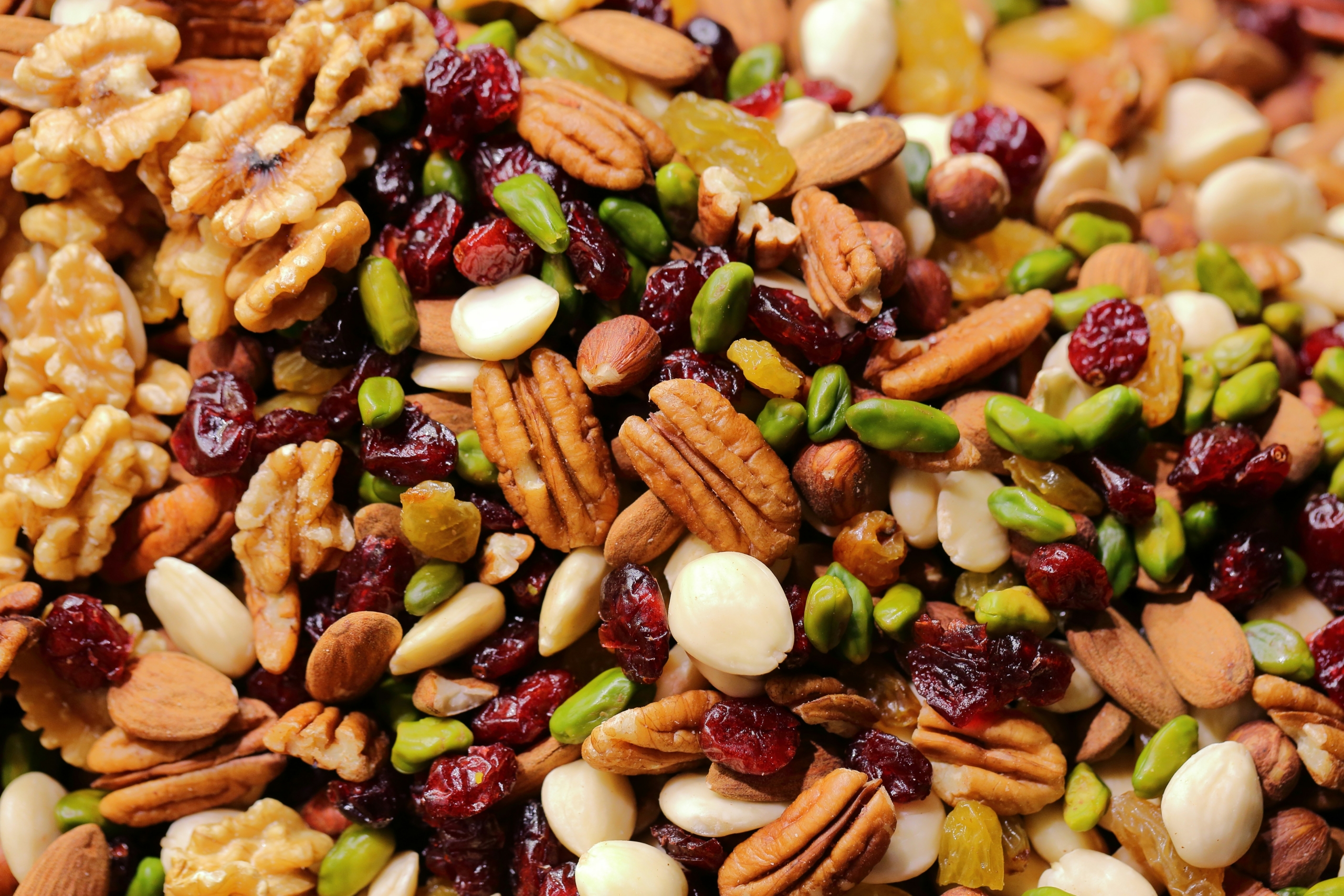
Al Rifai is a Lebanese nuts and dried fruits brand contributing to Lebanon’s nuts and dried fruits sector. As part of the Made in Liban directory, Al Rifai represents the authenticity, craftsmanship, and heritage that define Lebanese production. This page is part of the Made in Liban directory of authentic Lebanese brands and producers.
نبذة عن Al Rifai
Al Rifai is part of a generation of Lebanese nuts and dried fruits brands working to preserve heritage, support local communities, and bring authentic Lebanese nuts and dried fruits to a global audience. Whether you are a Lebanese consumer at home, part of the global diaspora, or simply someone who appreciates quality, supporting Al Rifai directly contributes to Lebanon’s economy.
أهمية Al Rifai
Every Lebanese brand featured in the Made in Liban directory plays a role in Lebanon’s economic and cultural recovery. Supporting nuts and dried fruits brands like Al Rifai means choosing authenticity over imitation, sustaining Lebanese livelihoods, and helping the country’s most talented makers continue their craft.
Frequently Asked Questions
ماذا تصنع Al Rifai أو تقدّم؟
Al Rifai is a Lebanese nuts and dried fruits brand producing or offering authentic nuts and dried fruits products and services. Visit the brand directly via the channels listed on this page for current product information.
هل Al Rifai مملوكة للبنانيين بنسبة 100%؟
Yes. Al Rifai is Lebanese-owned and operated, featured in the Made in Liban directory of authentic Lebanese producers.
أين يقع مقرّ Al Rifai في لبنان؟
Al Rifai operates from Beirut, the Bekaa, and the mountains. See contact details on this page for the brand’s specific location.
كيف يمكنني الشراء من Al Rifai أو التواصل معها؟
Contact and purchasing details for Al Rifai are listed in the Brand Information section above. Many Lebanese nuts and dried fruits brands also serve diaspora customers internationally.
لماذا ندعم علامات المكسّرات والفواكه المجفّفة اللبنانية مثل Al Rifai؟
Buying from Lebanese brands like Al Rifai directly supports Lebanon’s economy, preserves local production, and helps Lebanese families and communities sustain their craft through challenging times.