




نبذة عن Al Yaman Factories
Al Yaman Factories traces its roots to 1882 in Sidon (Saida), on Lebanon’s southern coast, making it one of the oldest food producers in the country. Run by Samih Hassan Al Yaman & Sons, the company carries more than 100 years of experience in sesame-based products and traditional sweets, with facilities in Zahlé in the Bekaa Valley as well as its historic southern base.
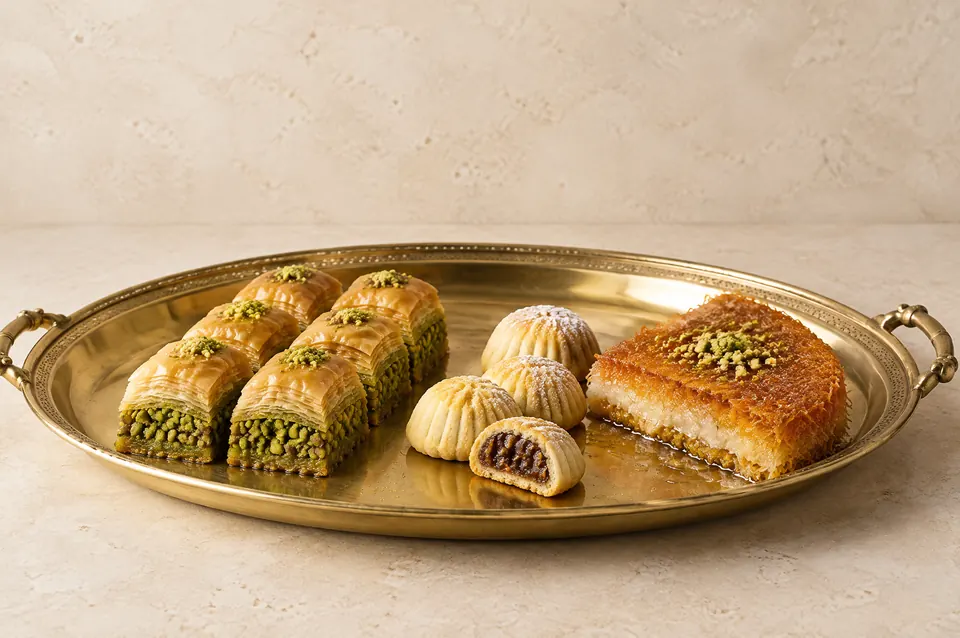
The core of its range is built on sesame and classic Levantine confectionery: tahini (sesame paste), halawa (the crumbly sweet made from sesame, also known as halva), and Turkish delight, or rahat al halkoum. These are pantry and dessert staples across Lebanon and the wider region, and Al Yaman’s long history has made it a trusted name for them.
أهمية Al Yaman Factories
A food producer operating since 1882 is a living piece of Lebanese industrial history. Al Yaman’s century-plus of expertise in tahini, halawa and Turkish delight has helped keep these traditional sesame products, staples of the Lebanese breakfast table and sweet trolley, in continuous production. By maintaining facilities in both the south and the Bekaa, the company supports regional employment and sustains age-old confectionery techniques that define Levantine food culture.