Rachaya Citadel Guide: Lebanon’s Independence Fortress and Souk
The hilltop fortress where Lebanon won its independence in 1943, above a red-roofed town of silversmiths on the slopes of Mount Hermon.
- Region
- Rachaya, West Bekaa
- Time needed
- One day, or a night with Hasbaya
- Best time to visit
- May to June, September to October
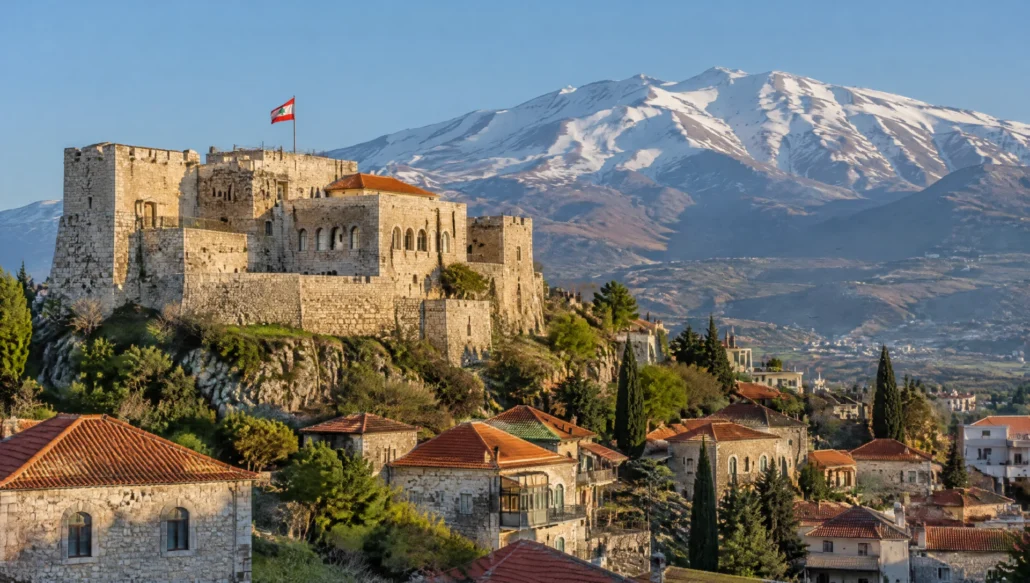
Rachaya, often called Rachaya al-Wadi, is a stone town on the western slopes of Mount Hermon, in the far southeast of the Bekaa near the Syrian border. Its citadel is one of the most important places in modern Lebanese history: in November 1943 the French mandate authorities locked up the country’s independence leaders here, and their release on 22 November is still celebrated every year as Independence Day.
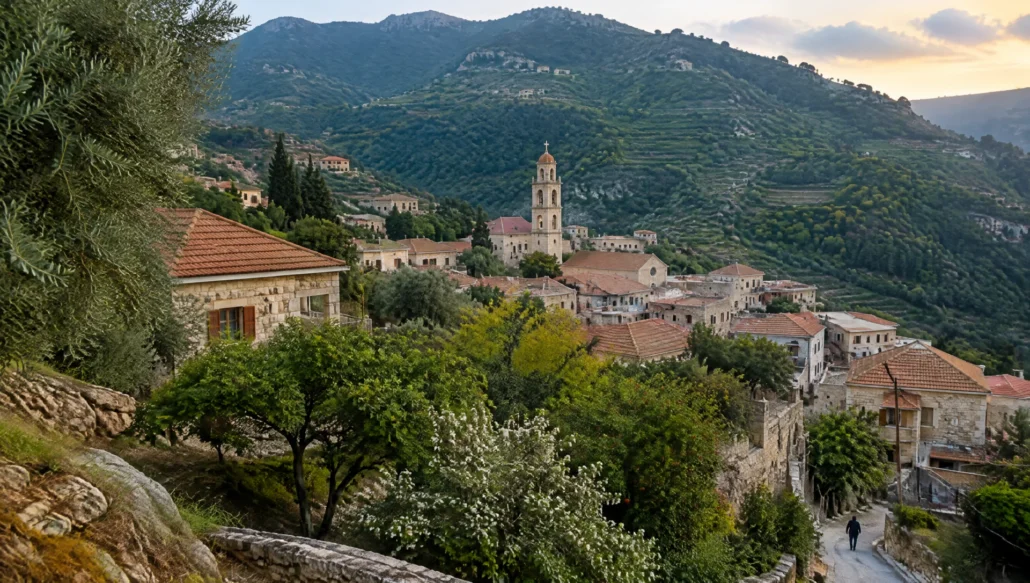
The town itself is a pleasure to walk. Red-tiled roofs climb the hillside between about 850 and 1,600 m, the old souk is paved with hand-cut stone, and silversmiths still work in its shops. Add the views of Hermon, the village churches and a good lunch of mountain food, and it makes a full, unhurried day from Beirut.
What to see
The Citadel of Independence
The citadel stands on a hill at about 1,400 m above the old town. Its present form is a palace built by the Chehab emirs in the 18th century, on a site with much older roots, and local tradition places Roman and Crusader works beneath it. French troops occupied it from 1920, and in November 1925, during the Great Syrian Revolt, it was the scene of a siege between Druze rebels and the French garrison.
The moment that made it famous came on 11 November 1943. After the Lebanese parliament amended the constitution to end the mandate, French authorities arrested President Bechara el Khoury, Prime Minister Riad el Solh and ministers and deputies including Camille Chamoun, Adel Osseiran, Abdel Hamid Karami and Selim Takla, and held them in the citadel. Mass protests across Lebanon forced their release on 22 November 1943. You can still see the rooms where they were held.
The citadel is a national monument and is manned by the Lebanese Army, so visits happen under army supervision. Carry ID, follow the soldiers’ instructions and ask before taking photos.
The old souk
Rachaya’s main souk street runs about 250 m and is paved with more than 40,000 hand-cut stones, lined with arched shopfronts under red roofs. It is known for its silversmiths and jewellers, who make pieces in traditional and Byzantine styles. It is a good place to buy a small gift that was actually made in the town.
Churches and the Hermon pilgrimage
The town is mostly Druze with a large Christian community, and its old churches include two Greek Orthodox churches that still hold services. Every year on the night before 6 August, the feast of the Transfiguration, the municipality organises a night pilgrimage to the summit of Mount Hermon, which rises to 2,814 m.
Roman temples of Mount Hermon
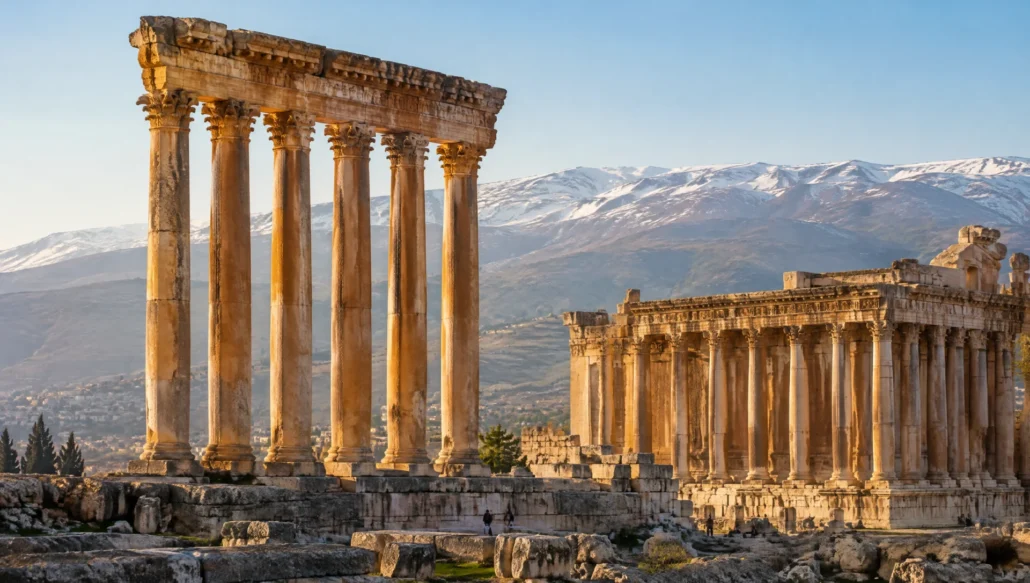
The slopes of Hermon are scattered with ruined Roman temples. One stands on the road from Rachaya toward the village of Aaiha, and makes a short detour if you like your history with a view and no crowds.
A suggested day
Morning
Leave Beirut early and drive over the mountains to the Bekaa, then south through the West Bekaa past Lake Qaraoun. Go straight to the citadel while the light is clear and the air is cool, and spend an hour on its walls with Hermon in front of you.
Afternoon
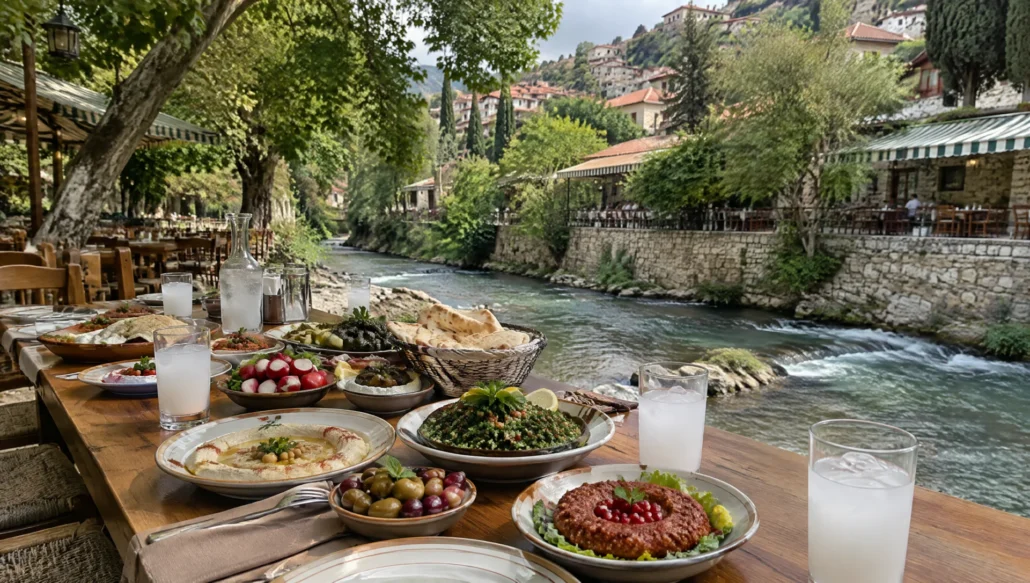
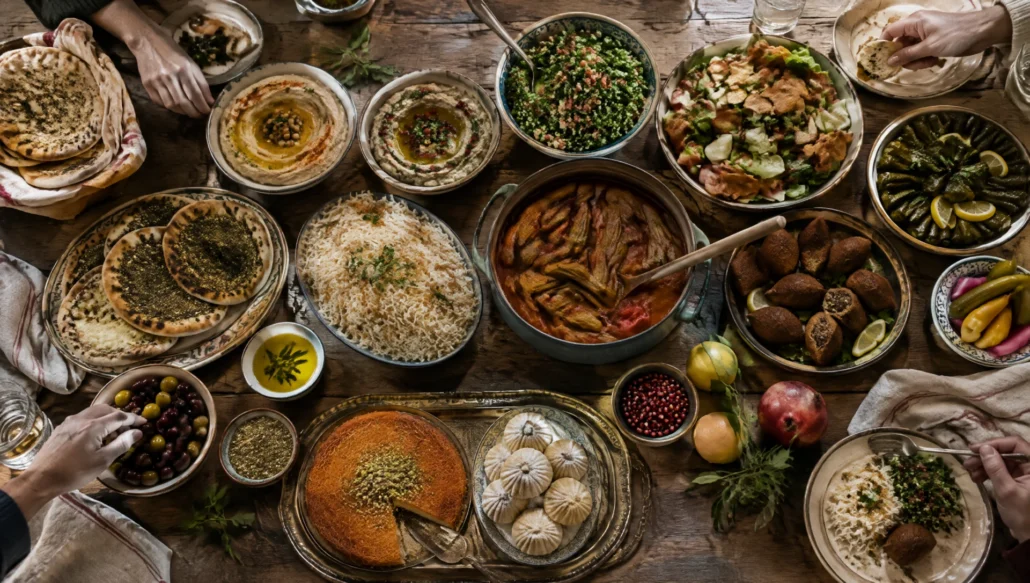
Walk down into the old souk, browse the silver workshops, and have lunch in town. Rachaya’s kitchens lean on mouneh: labneh, goat cheese, kishk, honey and bread baked on the saj. Try the local lemonade if you see it.
Evening
Either drive back through the West Bekaa for sunset over the lake, or stay the night. Hasbaya Guesthouse, a quiet six-room guesthouse with a pool in Hasbaya, near the source of the Hasbani river, is a good base about 30 minutes to the south.
Where to eat and what to take home
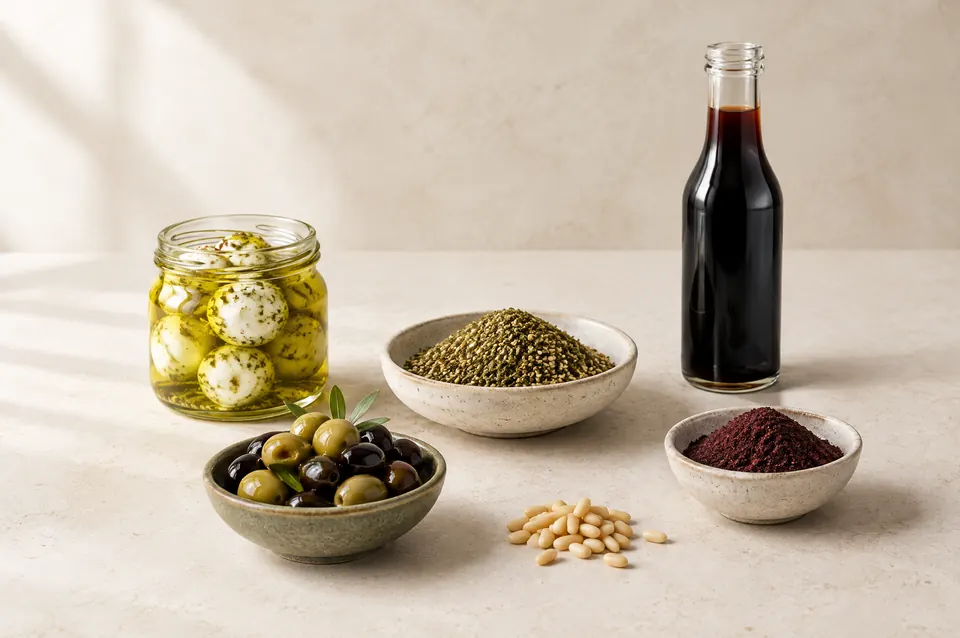
The West Bekaa is farm and wine country. Khayrat Bekaena, a women’s cooperative in El Khiara, makes jams, pickles, kishk and other mouneh, and caters lunches. For wine, Reserve Ammiq is a family vineyard in Ammiq growing old bush vines inside the Shouf Biosphere Reserve, and Terre Joie is an organic estate near Qanafar with vineyards climbing to 1,400 m. Both are on or near the road home.
Practical tips
- Rachaya is close to the Syrian border. Check current travel advice before you go and carry your passport or ID.
- The citadel is a military site. Photos of soldiers or military installations are not allowed without permission.
- Winters are cold and snowy at this altitude. Late spring and early autumn are the most comfortable seasons.
- Wear shoes with grip: the souk stones are smooth and the citadel paths uneven.
- Bring cash for the souk and small restaurants.
Nearby
Hasbaya, to the south, has its own old Chehabi palace and souk. On the way back, the Ammiq wetland in the West Bekaa is one of the best birdwatching spots in Lebanon. Combine the trip with lunch in Zahle, or read more Lebanese history in our guide to Lebanon’s historical landmarks.