




How to Make Lebanese Fattoush Salad with Sumac Dressing
A crunchy bread salad of chopped vegetables, fresh herbs and toasted pita, sharpened with sumac and a little pomegranate molasses. It is the everyday salad of the Lebanese table.
- Prep time
- 20 minutes
- Cook time
- 10 minutes
- Serves
- 4 to 6
- Difficulty
- Easy
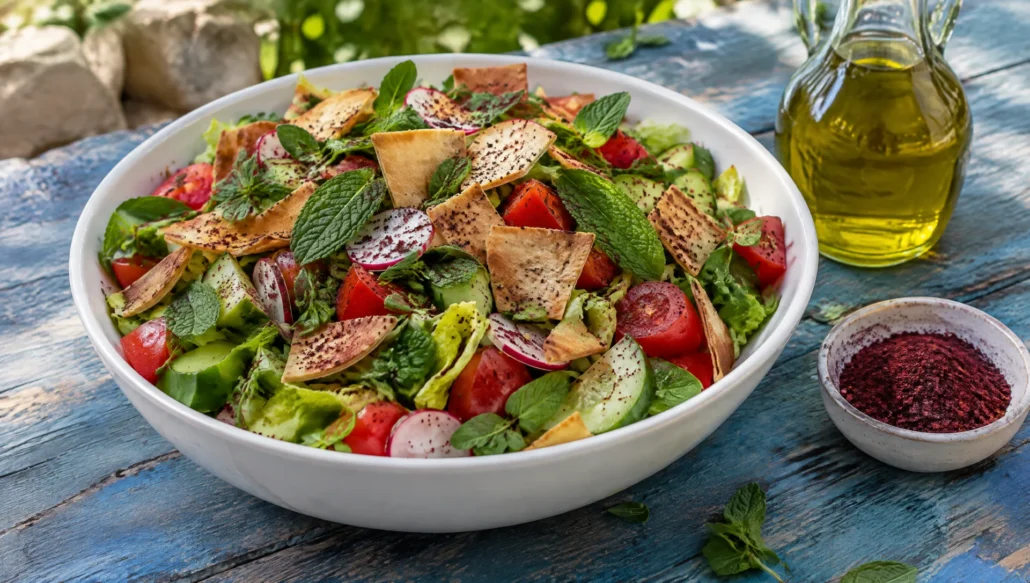
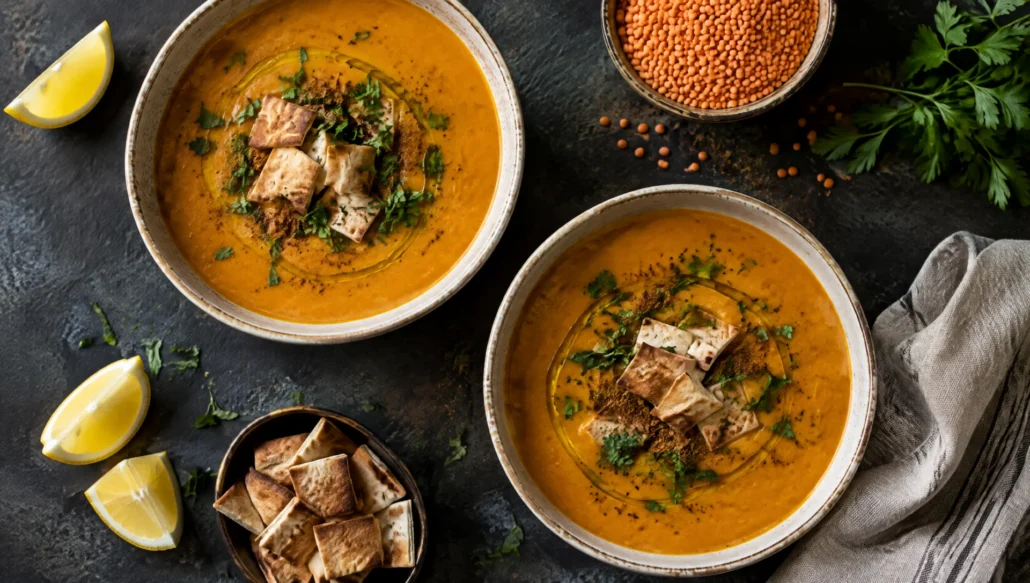
Fattoush is a country salad born from thrift: leftover flatbread, toasted or fried, tossed with whatever the garden gives. Its name comes from fatt, to break bread into pieces. Today it is on every Lebanese mezze table and is one of the most cooked dishes during Ramadan, when a big bowl of fattoush and a bowl of lentil soup open the iftar meal almost every night.
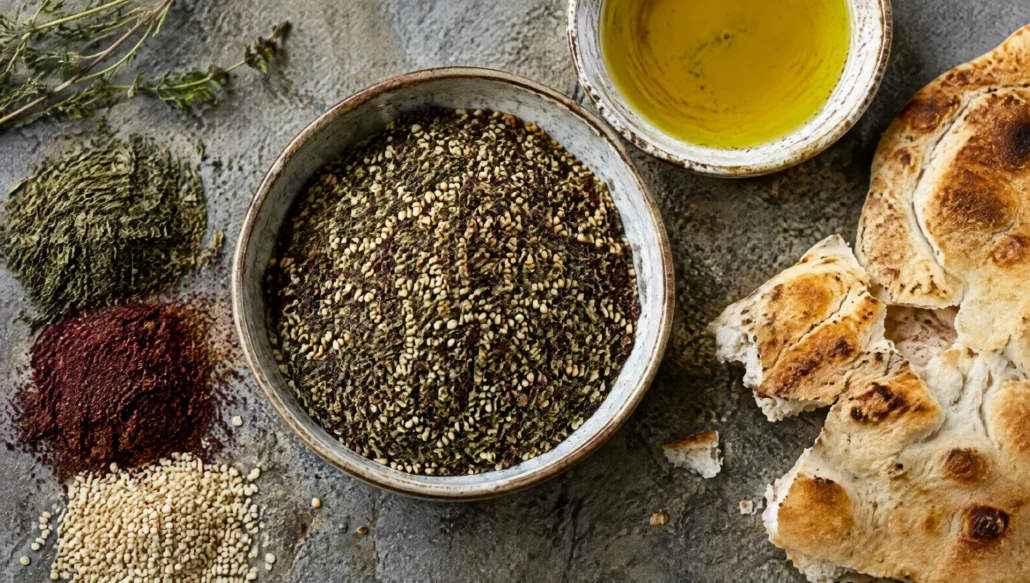
Two things make a fattoush taste right. The first is sumac, the deep red, lemony spice that goes into the dressing and over the top. The second is purslane (baqleh), the small round-leaved green that Lebanese cooks add for its juicy, slightly sour bite. If you cannot find purslane, the salad still works, but it is worth looking for at Middle Eastern grocers in summer.
Ingredients
For the salad
- 2 large Lebanese pita loaves (about 25 cm / 10 in)
- 2 tbsp olive oil, for the bread
- 1 small head romaine lettuce (about 250 g / 9 oz), cut into 2 cm (3/4 in) ribbons
- 3 medium tomatoes (400 g / 14 oz), cut into 2 cm (3/4 in) pieces
- 3 small Lebanese cucumbers (300 g / 10 oz), halved and sliced
- 6 radishes, thinly sliced
- 1/2 green bell pepper, diced (optional)
- 3 spring onions, thinly sliced
- 1 large handful purslane leaves (about 50 g / 2 cups), if available
- 15 g (1/2 cup) flat-leaf parsley, roughly chopped
- 10 g (1/3 cup) fresh mint leaves, roughly chopped
For the dressing
- 1 small garlic clove, crushed with 1 tsp salt
- 60 ml (1/4 cup) fresh lemon juice
- 1 tbsp pomegranate molasses (dibs rumman)
- 1 tbsp ground sumac, plus 1 tsp to finish
- 1 tsp dried mint
- 80 ml (1/3 cup) extra virgin olive oil
Instructions
- Heat the oven to 200°C (400°F). Split each pita into two thin rounds, brush lightly with olive oil and cut or tear into 3 cm (1 in) pieces. Spread on a tray and bake for 8 to 10 minutes, turning once, until golden and completely crisp. Let them cool. (For the street version, fry the pieces in 1 cm of hot oil for 1 to 2 minutes instead, then drain on paper.)
- Make the dressing in a jar or small bowl: combine the garlic paste, lemon juice, pomegranate molasses, sumac and dried mint. Pour in the olive oil and whisk or shake for 20 seconds until it looks thick and slightly cloudy. Taste: it should be sharp, salty and a little sweet.
- Wash the vegetables and herbs and dry them well, ideally in a salad spinner. Wet leaves dilute the dressing and make the bread soggy.
- Put the lettuce, tomatoes, cucumbers, radishes, pepper, spring onions, purslane, parsley and mint in a large bowl.
- Just before serving, pour the dressing over the vegetables and toss well with your hands or two spoons.
- Add three quarters of the toasted bread and toss again briefly. Scatter the rest on top so it stays crunchy, then sprinkle with the remaining sumac. Serve within 10 minutes.
Tips for the best fattoush
- Cut the vegetables in large, chunky pieces. Fattoush is rustic; finely diced vegetables belong in tabbouleh.
- Toast the bread until fully dry, not just coloured, so it holds its crunch.
- Dress the salad at the last moment, never ahead.
- Buy sumac that is a deep burgundy colour and smells tart. Pale, dusty sumac has lost its flavour.
Variations
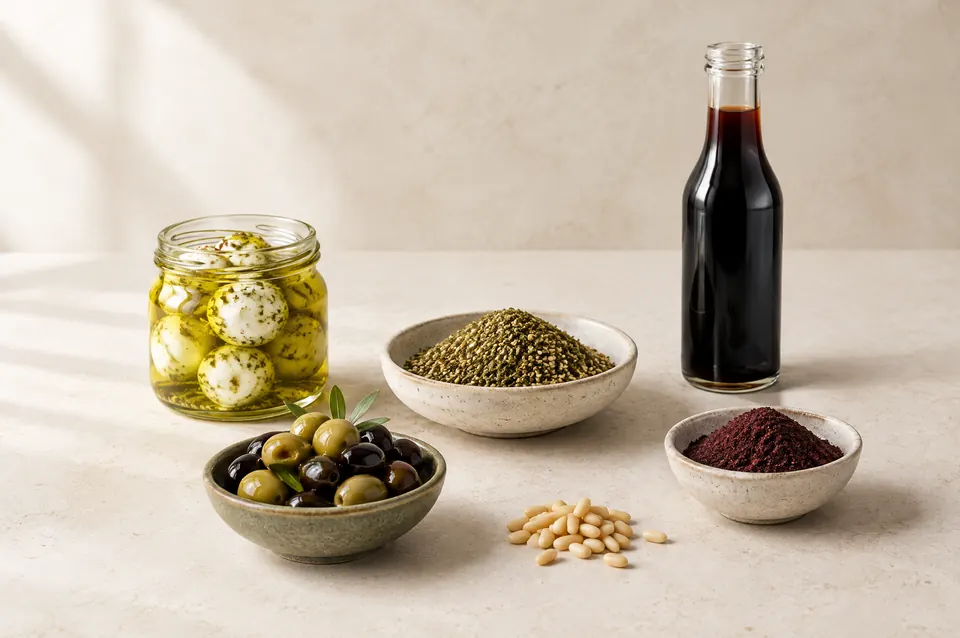
Many Lebanese cooks skip the pomegranate molasses and use only lemon and sumac, which gives a cleaner, sharper salad. In winter, when good tomatoes are scarce, add more radishes, shredded white cabbage and a handful of arugula. Some restaurants add crumbled feta or a few black olives, though these are not traditional.
How to serve and store
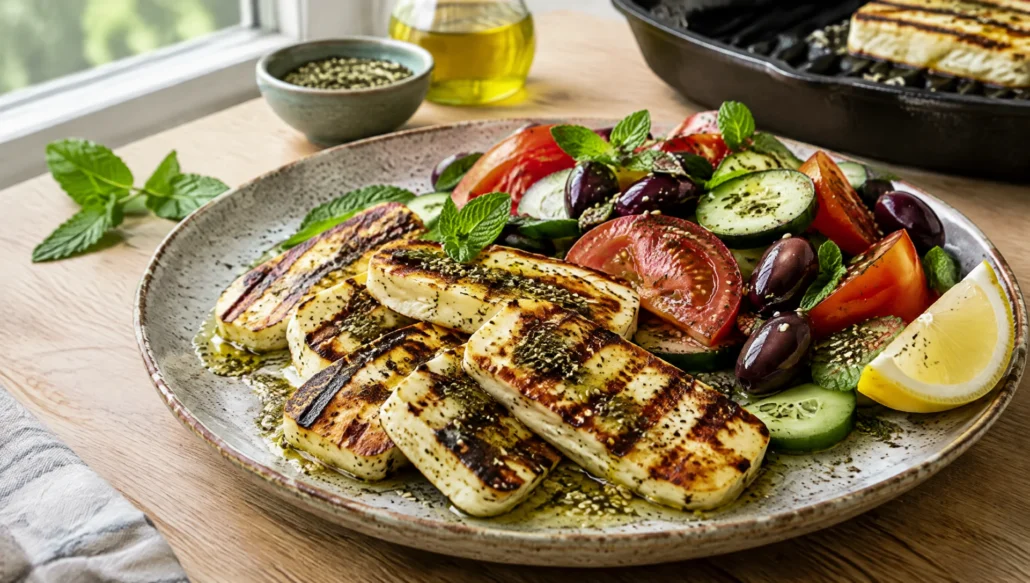
Serve fattoush as part of a mezze with hummus and grilled halloumi, next to grilled chicken or kafta, or as the first plate at iftar with lentil soup. You can prep the vegetables and dressing up to 4 hours ahead and keep them separately in the fridge, with the bread in an airtight tin. Once dressed, fattoush does not keep.
Sumac, olive oil and molasses carry this salad. The Jounieh family house Zeit Boulos makes all three, and Mountain Boons grows and grinds sumac on its farmland in Al Barouk in the Chouf.