




How to Cook Lebanese Chickpea Stew (Yakhnet Hummus)
A pot of chickpeas, garlic and tomato that tastes like a Lebanese home kitchen on a weeknight. Spoon it over vermicelli rice and dinner is done.
- Prep time
- 15 minutes
- Cook time
- 35 minutes
- Serves
- 4
- Difficulty
- Easy
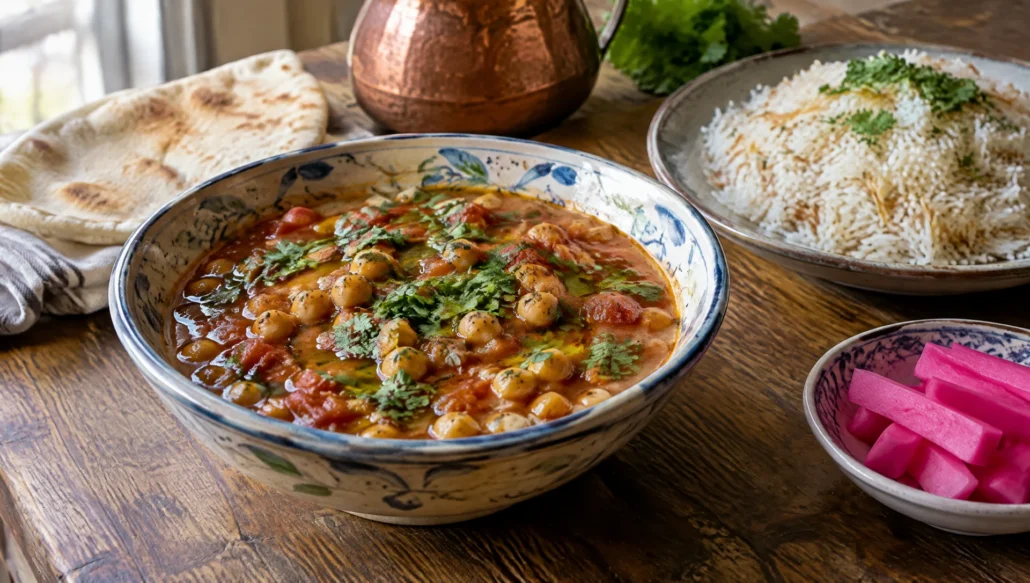
In Lebanon, a yakhneh is any stew of vegetables or legumes simmered slowly in tomato and served over rice. Green beans, okra, peas and potatoes all get the yakhneh treatment, and chickpeas are one of the cheapest and most comforting versions. Yakhnet hummus is home food rather than restaurant food: the dish a grandmother puts on the table when the fridge is nearly empty but the pantry is full.
It is naturally vegan, which makes it a regular during Lent, when many Lebanese Christian families give up meat and dairy. What makes it good is patience with the base: garlic pounded with cumin, tomato paste fried until it darkens, and a roasted red pepper that melts into the sauce and gives it a gentle smokiness.
Ingredients
- 3 tablespoons (45 ml) olive oil
- 1 medium onion (about 150 g / 5 oz), finely chopped
- 5 garlic cloves
- 1 teaspoon ground cumin
- 1 teaspoon ground coriander
- 1/2 teaspoon Lebanese seven spice (baharat) or allspice
- 1/2 teaspoon sweet paprika
- 1/4 to 1/2 teaspoon red pepper flakes
- 2 tablespoons (35 g) tomato paste
- 400 g (14 oz) canned crushed tomatoes, or 3 ripe tomatoes, grated
- 1 large roasted red bell pepper (about 150 g / 5 oz), peeled and chopped
- 2 cans (400 g / 15 oz each) chickpeas, drained and rinsed, or 500 g (3 cups) home-cooked chickpeas
- 500 ml (2 cups) water or vegetable stock
- 2 bay leaves
- 1 teaspoon salt, plus more to taste
- 1 tablespoon (15 ml) lemon juice
- 1 small bunch fresh coriander or flat-leaf parsley (about 15 g / 1/2 cup chopped)
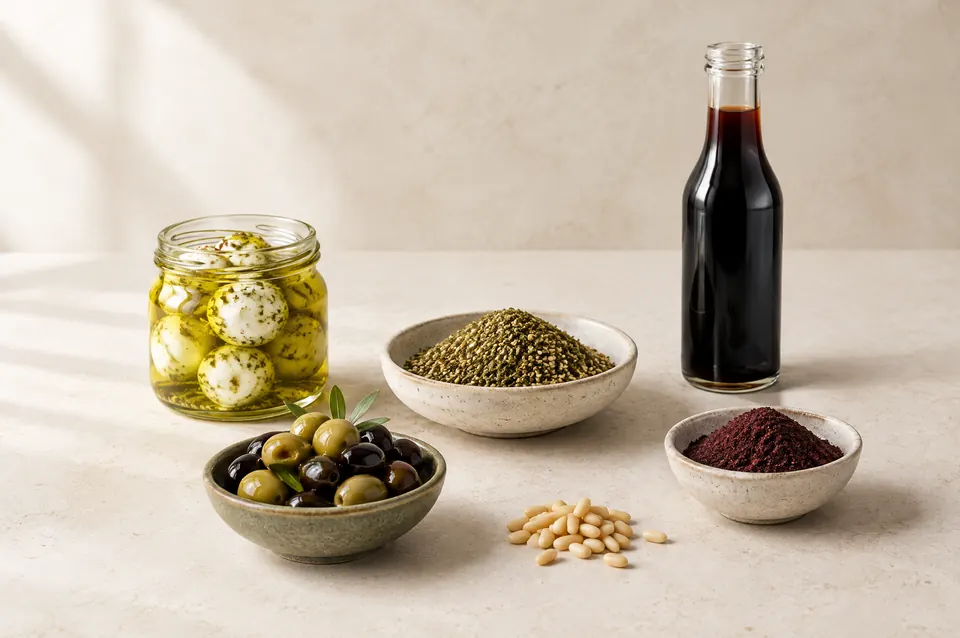
- 1 teaspoon za’atar, to finish (optional)
Instructions
- Pound the garlic with the cumin and a pinch of salt in a mortar until you have a coarse paste. If you do not have a mortar, crush the garlic with the flat of a knife and mix in the cumin.
- Heat the olive oil in a heavy saucepan over medium heat. Add the onion and cook, stirring now and then, until soft and lightly golden, about 8 minutes.
- Add the garlic paste, ground coriander, seven spice, paprika and pepper flakes. Stir for 1 minute, until the garlic smells sweet but has not browned.
- Add the tomato paste and fry it in the oil for 2 minutes, stirring, until it turns a shade darker. This takes away the raw, tinny taste.
- Pour in the crushed tomatoes and the chopped roasted pepper. Simmer for 5 minutes, until the sauce thickens slightly.
- Add the chickpeas, water, bay leaves and salt. Bring to a boil, then lower the heat so the stew bubbles gently.
- Simmer uncovered for 20 to 25 minutes, stirring now and then, until the sauce coats the back of a spoon and some chickpeas start to break at the edges. If it gets too thick, add a splash of water.
- Remove the bay leaves. Stir in the lemon juice, taste and adjust the salt. Scatter with the chopped coriander or parsley and, if you like, a pinch of za’atar and a drizzle of raw olive oil.
Tips for the best chickpea stew
- Mash a ladle of chickpeas against the side of the pot near the end. It thickens the sauce without any flour.
- If you cook dried chickpeas, keep 250 ml (1 cup) of the cooking water and use it in place of plain water for a silkier stew.
- Roast your own pepper over a gas flame until blackened, then steam it in a covered bowl for 10 minutes before peeling. Jarred roasted peppers work well too.
- The stew tastes better the next day, once the spices settle.
Variations
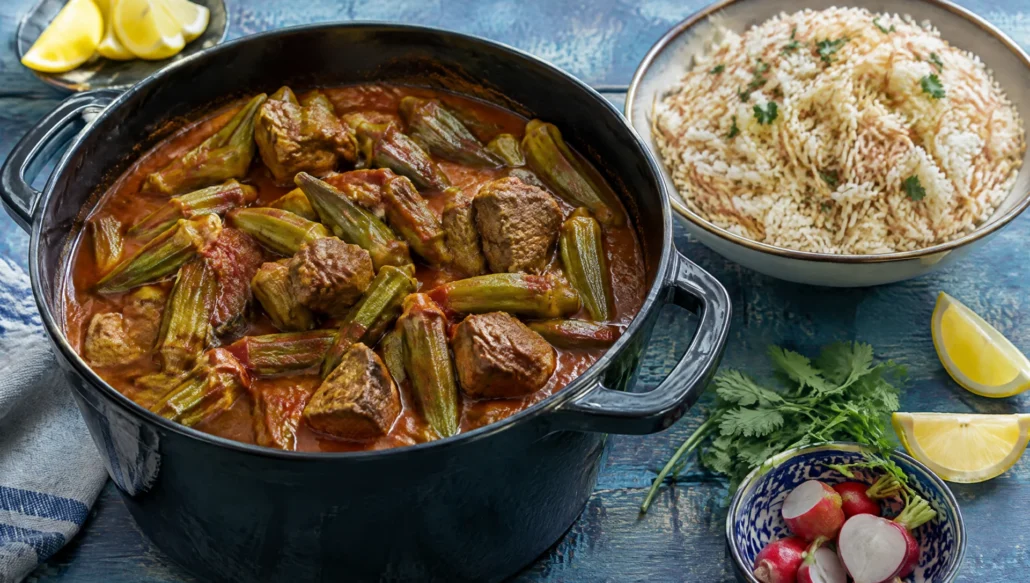
- With meat: brown 300 g (10 oz) of cubed lamb or beef before the onion and simmer it in the sauce for 1 hour before adding the chickpeas.
- With potatoes: add 2 peeled, cubed potatoes with the water and cook until tender.
- With greens: stir in a big handful of chopped Swiss chard or spinach for the last 5 minutes.
How to serve and store
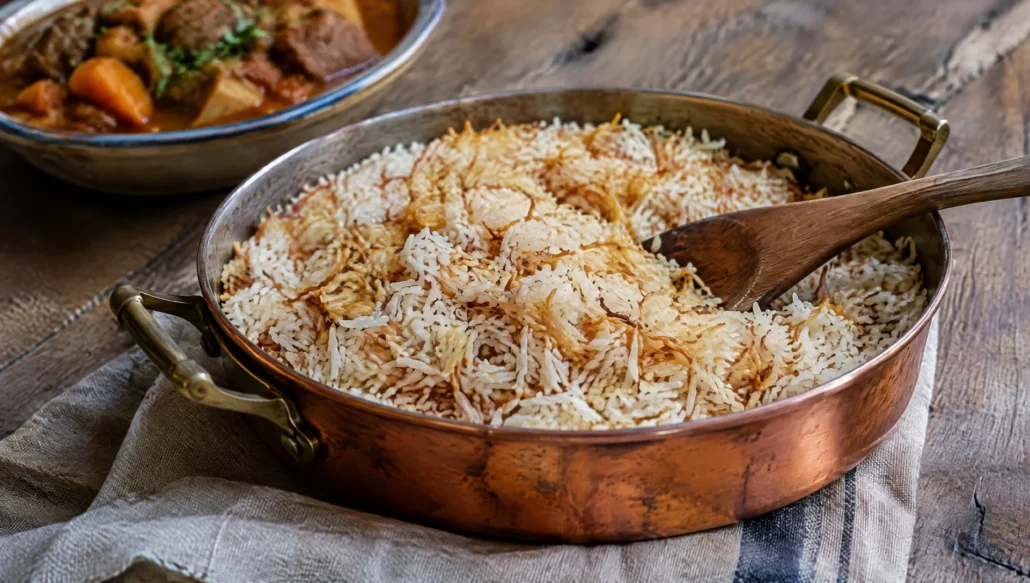
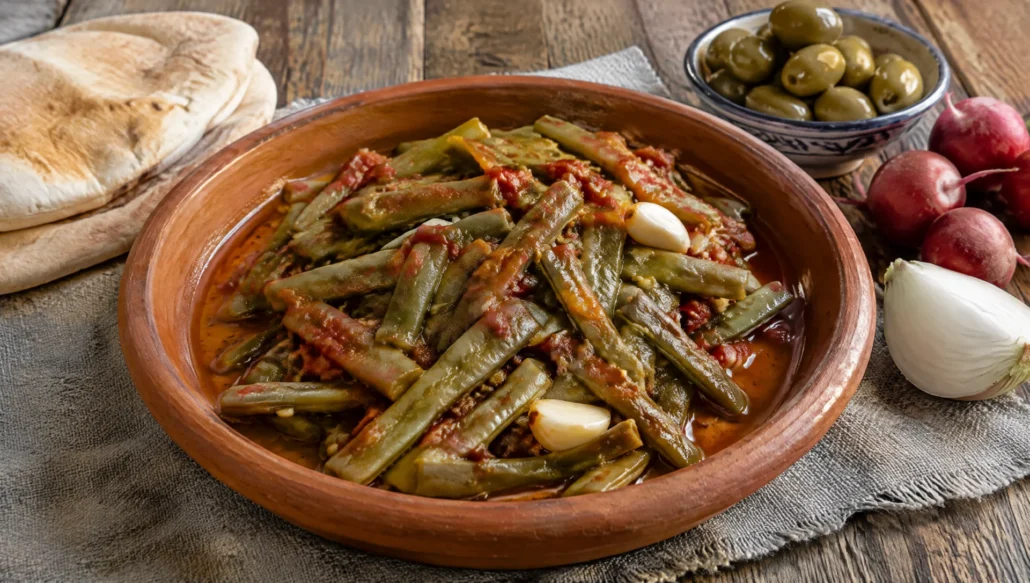
Serve hot over Lebanese rice with vermicelli, with pickled turnips, raw onion wedges and warm pita on the side. Leftovers keep in a covered container in the fridge for up to 4 days and freeze well for 3 months. Reheat gently with a little water.
Where to find the ingredients
Good tomato paste makes a real difference here. Anamel in Abadiyeh makes it the village way, along with chili paste and other mouneh. For chickpeas grown and packed in the south, look at Al Baydar, and finish the bowl with a Lebanese extra virgin olive oil.