

Qadisha Valley Guide: Monasteries, Hikes and Where to Eat
A deep gorge below the Cedars where hermits carved chapels into the cliffs. Walk the valley floor between old monasteries and eat in the villages on the rim.
- Region
- Bcharre and Zgharta, North Lebanon
- Time needed
- One to two days
- Best time to visit
- April to June, September to October
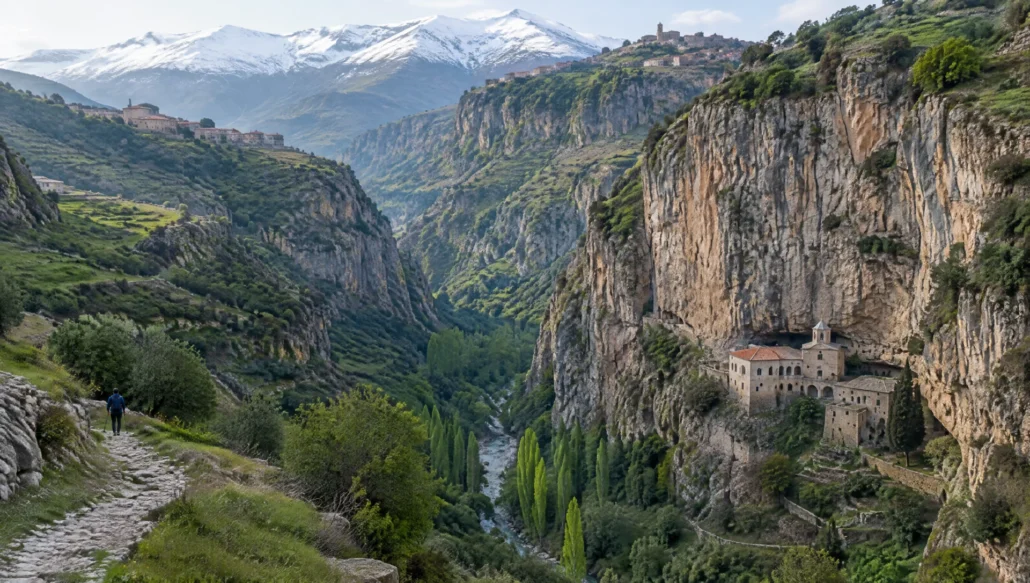
The Qadisha Valley, Wadi Qadisha or the Holy Valley, is a deep limestone gorge in North Lebanon, cut by the Qadisha River as it runs down from a grotto just below the Cedars of God near Bcharre. For centuries its cliffs sheltered monks and hermits, who carved chapels and cells into the rock and terraced the slopes for wheat, vines and olives. In 1998 the valley and the Forest of the Cedars of God were inscribed together as a UNESCO World Heritage Site, for one of the oldest concentrations of Christian monastic settlement in the world.
Today you can drive along the rim through villages like Bcharre, Hasroun, Bqaa Kafra, Hadchit and Blaouza, then walk down into the valley floor, where the noise of the road gives way to the river, bells and birds. It is one of the best walking areas in Lebanon and one of the most moving places to visit, whatever your faith.
What to see
Qannoubine Monastery
Deir Qannoubine, built into a cliff in the heart of the valley, was the seat of the Maronite Patriarch from the 15th century until the early 19th century, through long periods when the church had to keep a low profile. Its small rock-cut church still has wall paintings. Qannoubine is reached on foot, which is part of its charm.
Deir Mar Lichaa
Mar Lichaa (Saint Elisha) is first mentioned in the 14th century and clings to the cliff below Bcharre. Its church has chapels cut into the rock, and it has housed both Maronite hermits and Carmelite monks.
Saint Anthony of Qozhaya
The Monastery of Saint Anthony of Qozhaya sits in a side valley at the western end of the Qadisha, reached by road from the Zgharta side. It is still a working monastery of the Lebanese Maronite Order. Its monks ran one of the earliest printing presses in the Middle East in the 17th century, and you can see an old press in the small museum, along with the cave of Saint Anthony beside the church.
Our Lady of Hawqa
Saydet Hawqa was founded in the late 13th century by villagers from Hawqa, under a huge cave at about 1,150 m. The walk to it is steep but short, and the setting under the overhang is unforgettable.
The Gibran Museum and the Cedars of God
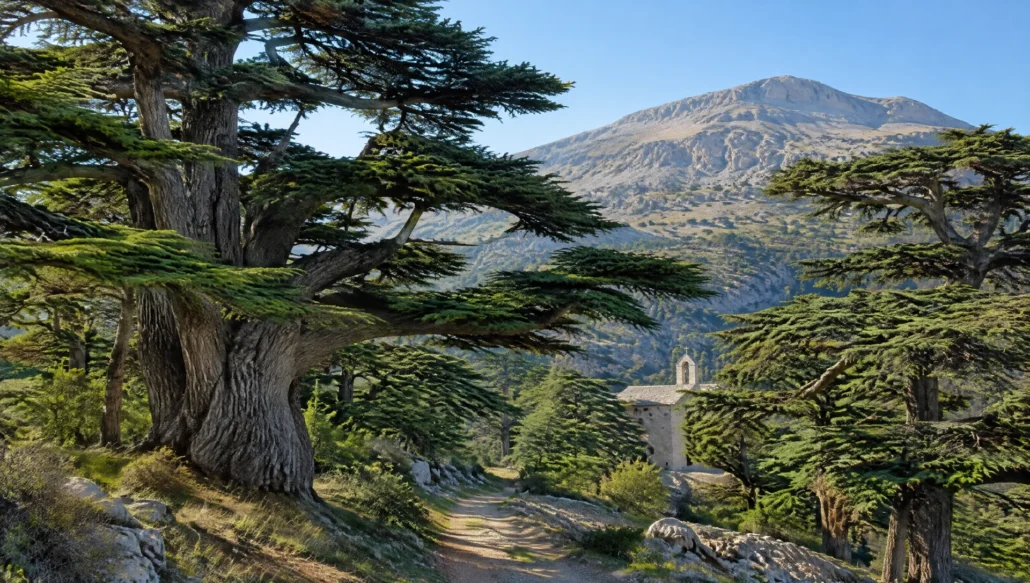
In Bcharre, the Gibran Museum occupies the old hermitage of Mar Sarkis, where Kahlil Gibran asked to be buried. His sister Mariana bought the monastery to honour that wish. The museum holds around 440 of his original paintings and drawings, plus furniture and manuscripts from his New York studio, across 16 rooms, and ends at his tomb. A short drive above Bcharre, the Cedars of God (Horsh Arz el-Rab) grow at about 1,900 to 2,050 m on the slopes of Mount Makmel, the last remnant of the ancient sacred forest. See our Cedars of God trails guide.
A suggested day
Morning
Arrive in Bcharre early and start with the Cedars of God while the air is cool and the car parks are quiet. Then drive back down to the Gibran Museum for an hour among his paintings and the valley views from the terrace.
Afternoon
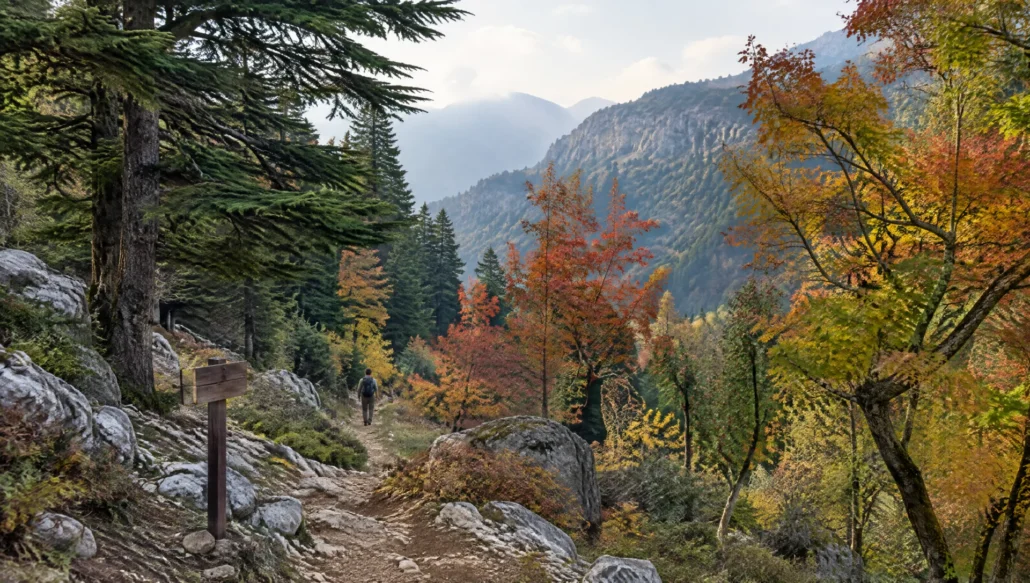
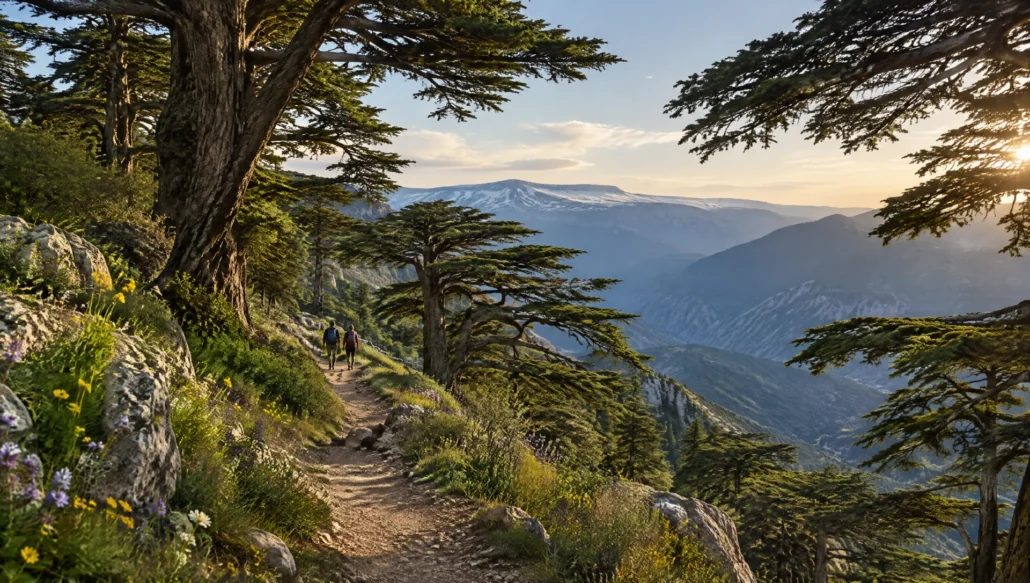
Drive down to the trailhead for Mar Lichaa and walk the valley floor to Qannoubine. The path follows the river through orchards and old terraces, passing small chapels and caves. Take your time, carry water and a picnic, and allow enough daylight for the climb back, which is the hard part. A local guide is a good idea for a first visit, and the Lebanon Mountain Trail sections from Ehden to Qannoubine and from Qannoubine to Bcharre run through this part of the valley if you want a longer walk.
Evening
Watch the sun drop behind the far rim from Bcharre or Hasroun, then have dinner in the village. If you are staying two days, spend the next morning at Qozhaya and Hawqa, or head to Ehden and the Horsh Ehden reserve.
Where to eat and drink
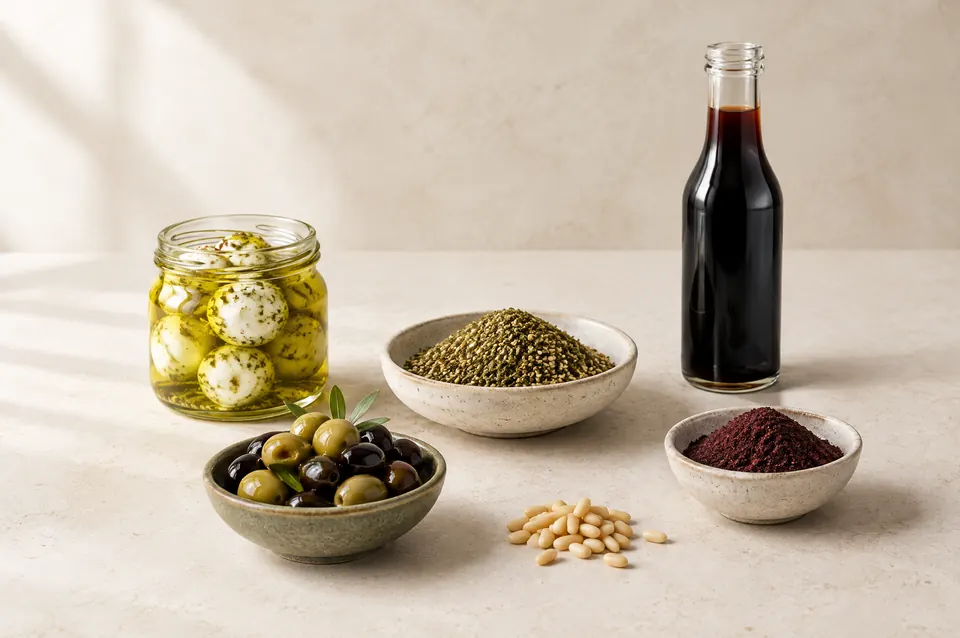
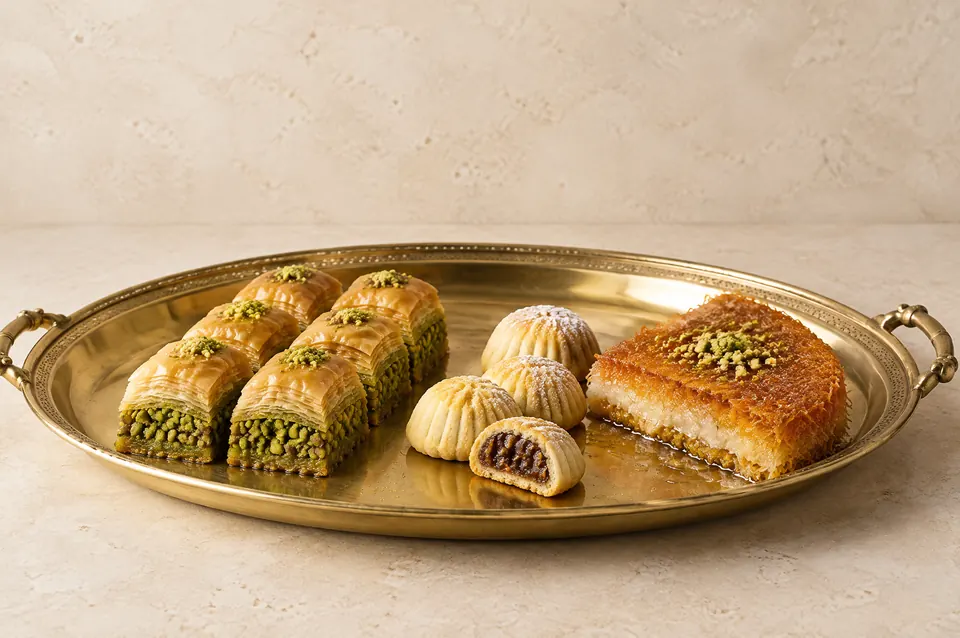
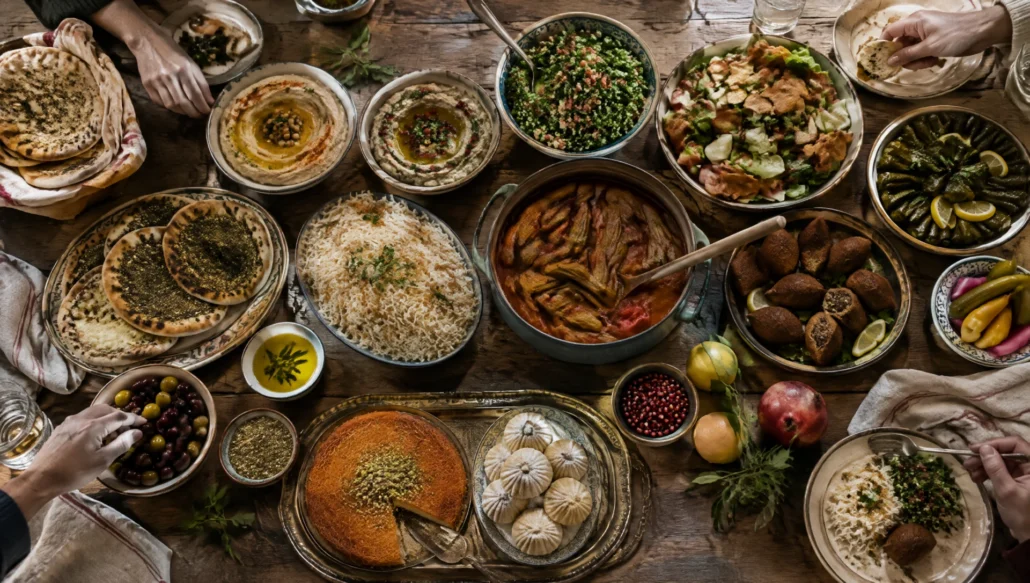
The towns on the rim have simple family restaurants serving mountain food: kibbeh, grilled meats, fresh salads and seasonal vegetables. Bcharre is apple country, and Les Vergers des Cèdres makes organic apple juice, cider and vinegar in the Cedars region using natural fermentation. For wine, Mont d’Almaz is the Saade family winery in Beit Menzer above the valley, growing organic grapes at 1,260 m. Toward Zgharta, Douaihy Sweets is a good stop for maamoul and knafeh on the way home.
Practical tips
- Wear proper walking shoes. The paths into the valley are steep, stony and slippery after rain.
- These are active monasteries. Dress modestly, keep your voice down and ask before photographing monks or nuns.
- There are few shops on the valley floor. Bring water, snacks and sun protection.
- Snow can close the high road to the Cedars in winter. Spring and autumn are the best walking seasons.
- A car is the easiest way to get between the villages and trailheads.
Nearby
Ehden, about half an hour west, has a lively summer square and the Horsh Ehden Nature Reserve. In winter, the Cedars ski slopes above Bcharre turn the area into a snow trip. The valley also features in our list of top hiking spots in Lebanon.