




How to Make Bulgur Pilaf (Lebanese Burghul bi Banadoura)
Coarse bulgur simmered with onion and fresh tomato until every grain is fluffy and red. A humble village dish that tastes far better than it sounds.
- Prep time
- 10 minutes
- Cook time
- 30 minutes, plus 10 minutes resting
- Serves
- 4
- Difficulty
- Easy
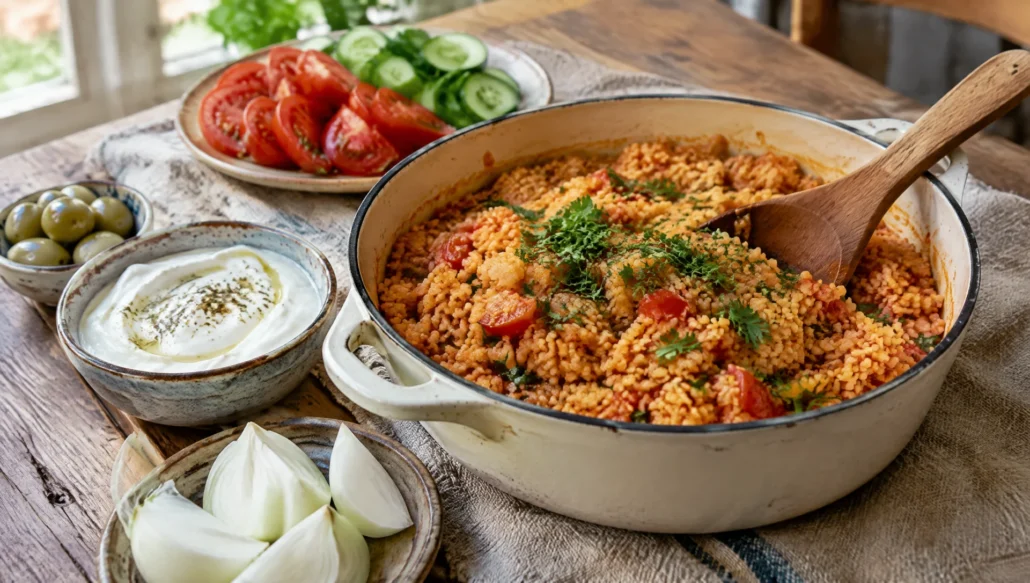
Bulgur pilaf is cooked across the whole region, from Turkey to Armenia to the Levant. In Lebanon, the everyday version is burghul bi banadoura, bulgur with tomato: coarse bulgur cooked with onion, fresh tomatoes and a little tomato paste until the grains are tender and stained red. It comes from farming villages in the Bekaa and the south, where wheat is boiled, dried and cracked into burghul at the end of summer and stored for the year.
It is cheap, filling and vegan, so it shows up often during Lent and on ordinary weeknights. Eaten warm with a bowl of cold yogurt, raw onion and a salad, it is a complete meal. The key is using coarse bulgur, not the fine kind used for tabbouleh and kibbeh, and leaving it to rest off the heat so it turns fluffy.
Ingredients
- 200 g (1 cup) coarse bulgur (burghul khishin, sometimes labeled #3 or #4)
- 3 tablespoons (45 ml) olive oil
- 1 large onion (about 200 g / 7 oz), finely chopped
- 1 small red or green bell pepper, diced (optional)
- 1 tablespoon (17 g) tomato paste
- 2 large ripe tomatoes (about 300 g / 10 oz), grated on a box grater, skins discarded
- 375 ml (1 1/2 cups) hot water or vegetable stock
- 1 teaspoon salt
- 1/2 teaspoon Lebanese seven spice (baharat) or allspice
- 1/4 teaspoon black pepper
- Chopped parsley or mint, to serve
Instructions
- Rinse the bulgur in a fine sieve under cold water for a few seconds and let it drain.
- Heat the olive oil in a heavy saucepan with a tight lid over medium heat. Add the onion and cook, stirring often, until soft and golden at the edges, 6 to 8 minutes.
- Add the bell pepper, if using, and cook for 3 minutes until it softens.
- Stir in the tomato paste and cook for 1 minute, until it darkens slightly and coats the onions.
- Add the grated tomatoes, seven spice and black pepper. Simmer for 5 minutes, until the sauce thickens a little.
- Add the drained bulgur and stir for 1 to 2 minutes so every grain is coated in the tomato.
- Pour in the hot water or stock and add the salt. Bring to a boil.
- Cover, turn the heat to low and cook for 15 minutes, without stirring, until the liquid is absorbed and small holes appear on the surface.
- Turn off the heat. Lay a clean kitchen towel over the pot, put the lid back on, and leave it to rest for 10 minutes. The towel absorbs steam so the grains stay separate.
- Fluff with a fork, taste for salt and scatter with parsley or mint.
Tips for the best bulgur pilaf
- Use coarse bulgur for texture; fine bulgur turns to mush. If yours is medium grain, cut the cooking time to 10 to 12 minutes.
- Bulgur brands absorb water differently. If the grains are still hard after 15 minutes, add 3 tablespoons of hot water and cook 5 minutes more.
- Grated fresh tomatoes give a cleaner taste than canned. In winter, use 200 g (7 oz) canned crushed tomatoes.
- Do not lift the lid during cooking or resting.
Variations
- With chickpeas: stir in 1 cup (about 160 g) of cooked chickpeas with the water.
- With vegetables: add 100 g (3.5 oz) of snow peas or green beans, cut small, with the pepper.
- With meat: brown 250 g (9 oz) of minced lamb or beef after the onion, or cook the bulgur in chicken stock for burghul bi djej.
- With vermicelli: fry a small handful of broken vermicelli in the oil until golden before adding the onion.
How to serve and store
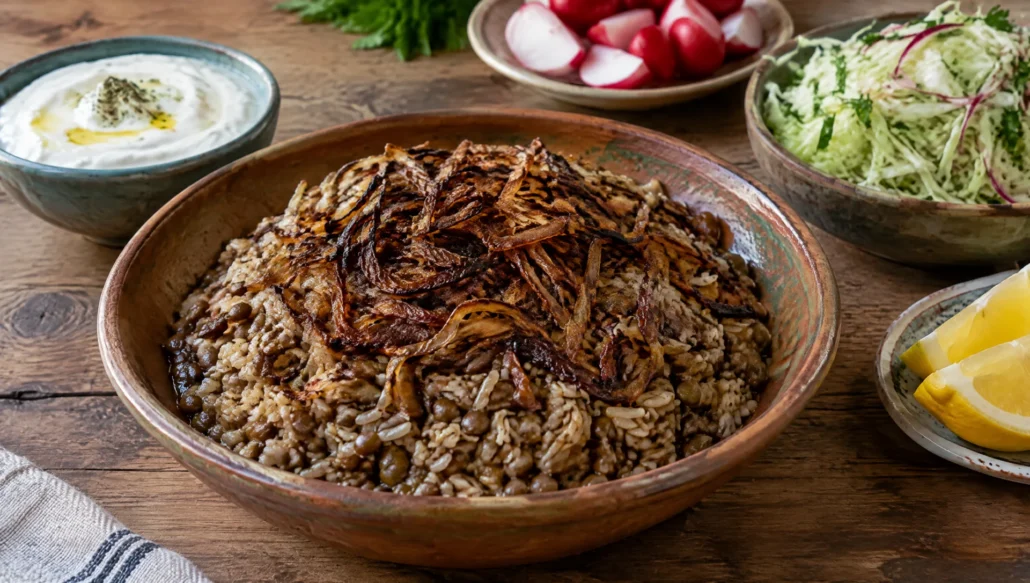
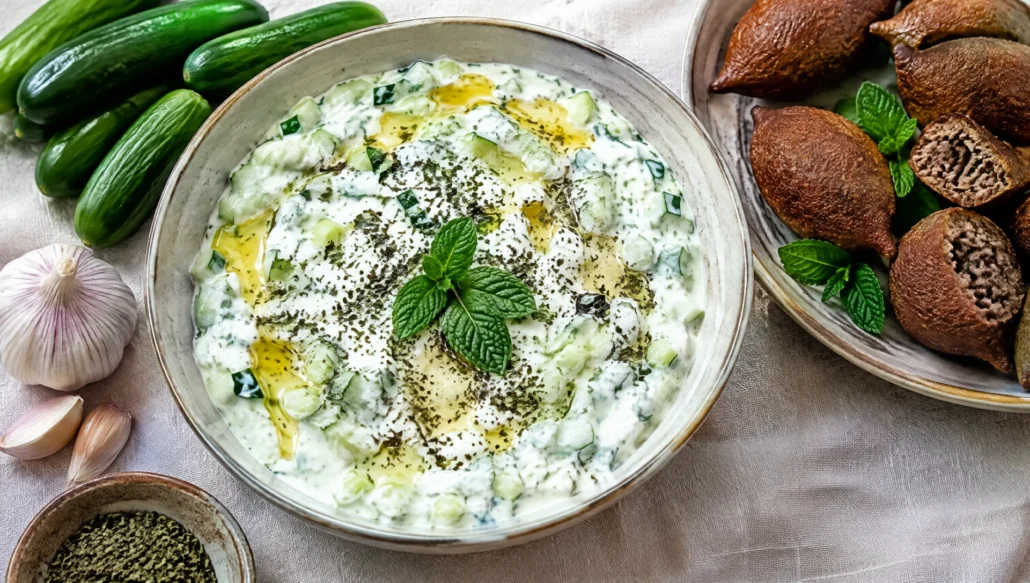
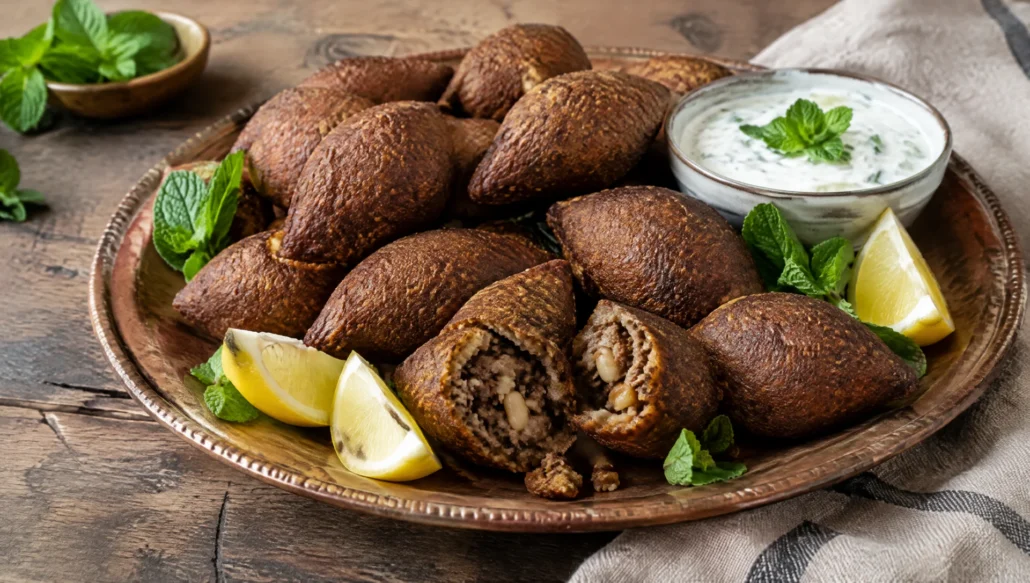
Serve warm with plain yogurt or cucumber yogurt sauce, raw onion, pickles and a green salad. It also goes well with grilled meats and with kibbeh. Keep leftovers in the fridge for up to 4 days and reheat with a splash of water.
Lebanese producers for the key ingredients
Fresh burghul makes a nutty difference. Rim Mills has been milling burghul in the Bekaa since 1952, and Al Najjar Modern Mills in Jdita makes both fine and coarse grades.