


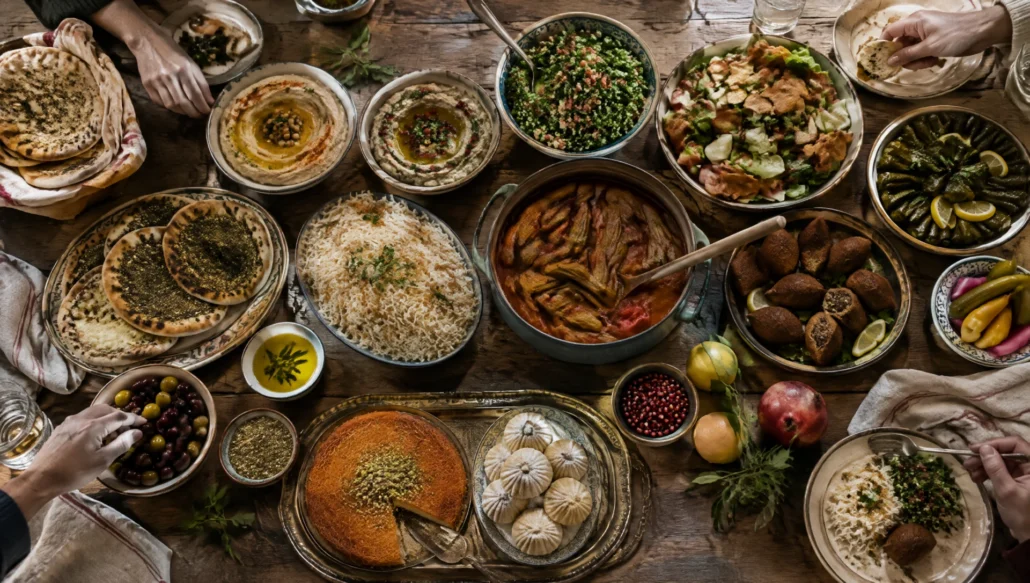
How to Make Falafel with Chickpeas and Fava Beans
Soaked, never cooked, chickpeas and fava beans ground with herbs and spices, then fried until deep brown outside and green inside.
- Prep time
- 30 minutes, plus 12 to 24 hours soaking
- Cook time
- 20 minutes
- Serves
- 6 (about 30 falafel)
- Difficulty
- Medium
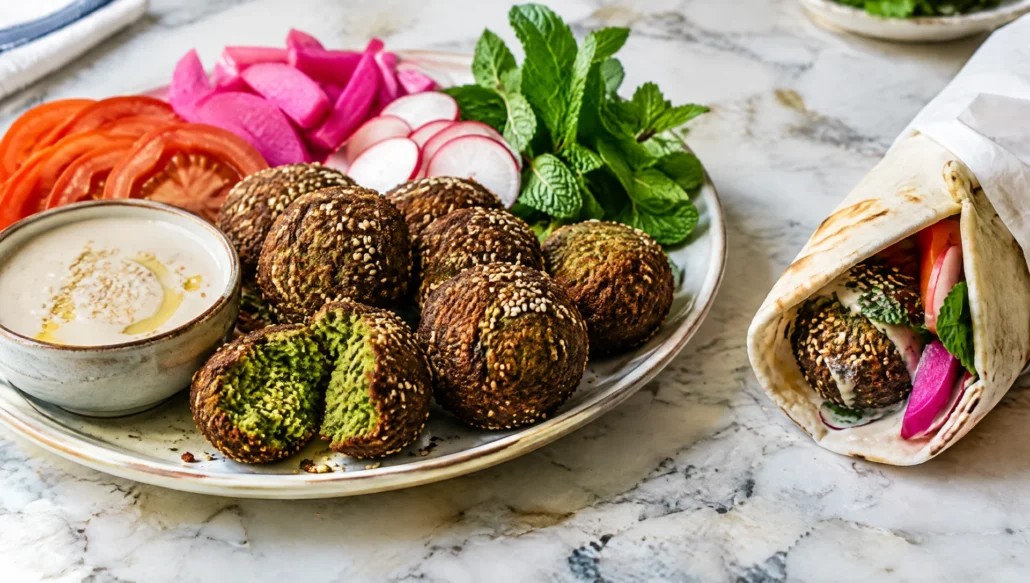
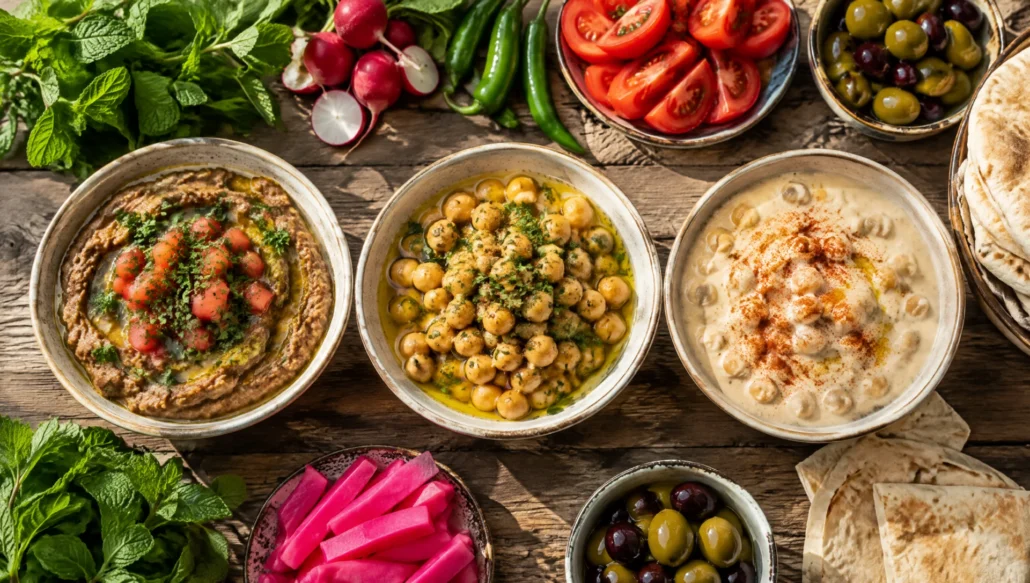
Falafel is Lebanon’s great street food. Falafel shops in Beirut and Saida have been frying it for generations, stuffing it into thin pita with tahini sauce, tomato, parsley, radish, mint and pink pickled turnips. Families also make it at home, especially during Lent, since it contains no meat or dairy.
Lebanese falafel is usually made with a mix of chickpeas and dried split fava beans, which gives a lighter, fluffier inside than chickpeas alone. In Egypt it is made only with fava beans and called ta’meya. The one rule everyone agrees on: soak dried beans, but never cook them. Canned chickpeas make falafel that falls apart in the oil.
Ingredients
For the falafel
- 200 g (1 cup) dried chickpeas
- 200 g (1 cup) dried split, skinless fava beans (or use 400 g / 2 cups chickpeas in total)
- 1 medium onion (about 150 g / 5 oz), roughly chopped
- 6 garlic cloves
- 30 g (1 cup packed) flat-leaf parsley, leaves and tender stems
- 30 g (1 cup packed) fresh coriander, leaves and tender stems
- 1 green chili, seeded (optional)
- 2 teaspoons ground cumin
- 2 teaspoons ground coriander
- 1/2 teaspoon ground allspice or seven spice
- 1/2 teaspoon black pepper
- 1 1/2 teaspoons salt
- 1 teaspoon baking soda
- 1 tablespoon sesame seeds (optional)
- About 1.5 litres (6 cups) sunflower or vegetable oil, for frying
For the tahini sauce (tarator)
- 120 ml (1/2 cup) tahini
- 60 ml (1/4 cup) lemon juice
- 1 garlic clove, crushed
- 60 to 90 ml (4 to 6 tablespoons) cold water
- 1/2 teaspoon salt
Instructions
- Put the chickpeas and fava beans in a large bowl and cover with at least three times their volume of cold water. Soak for 12 to 24 hours. They will double in size.
- Drain, rinse and spread the beans on a towel. Pat them very dry.
- Working in two batches, pulse the beans, onion, garlic, parsley, coriander and chili in a food processor, scraping down the sides, until the mix looks like fine, damp couscous and holds together when squeezed. Do not blend to a paste.
- Tip into a bowl and stir in the cumin, ground coriander, allspice, pepper and salt. Cover and refrigerate for 30 to 60 minutes. The mix firms up as it chills.
- Meanwhile, make the tarator: whisk the tahini, lemon juice, garlic and salt. It will seize and thicken at first. Add water a spoonful at a time, whisking, until it is smooth and pourable like heavy cream.
- Heat 7 to 8 cm (about 3 inches) of oil in a deep, heavy pot to 175 to 180°C (350 to 355°F).
- Just before frying, stir the baking soda into the falafel mix. It makes the inside light and airy.
- Shape the mix into balls or small patties about 4 cm (1 1/2 inches) wide, using a falafel scoop, two spoons or damp hands. Press sesame seeds on top, if using.
- Fry one test falafel first. If it breaks up, stir 1 to 2 tablespoons of chickpea flour into the mix and try again.
- Fry in batches of 5 or 6, without crowding, for 3 to 4 minutes, turning once, until deep golden brown and crisp. Drain on a rack or paper towels.
Tips for the best falafel
- Never use canned or cooked chickpeas. Only soaked raw beans have the starch that holds falafel together.
- Dry the herbs well after washing. Wet herbs make the mix loose.
- Keep the oil hot. Let it come back up to temperature between batches.
- If the falafel brown fast but stay raw inside, lower the heat slightly and make them smaller.
How to serve and store
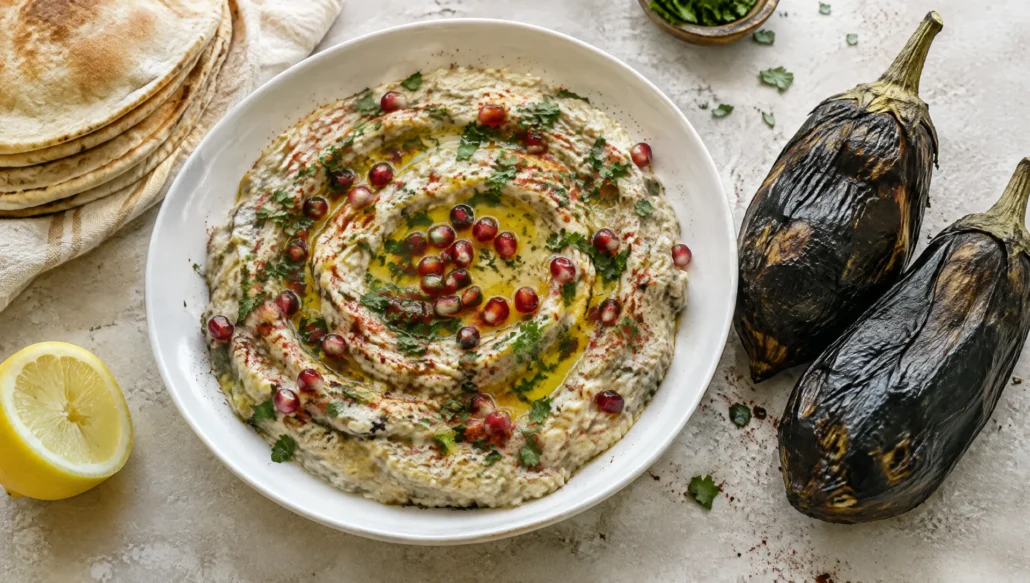
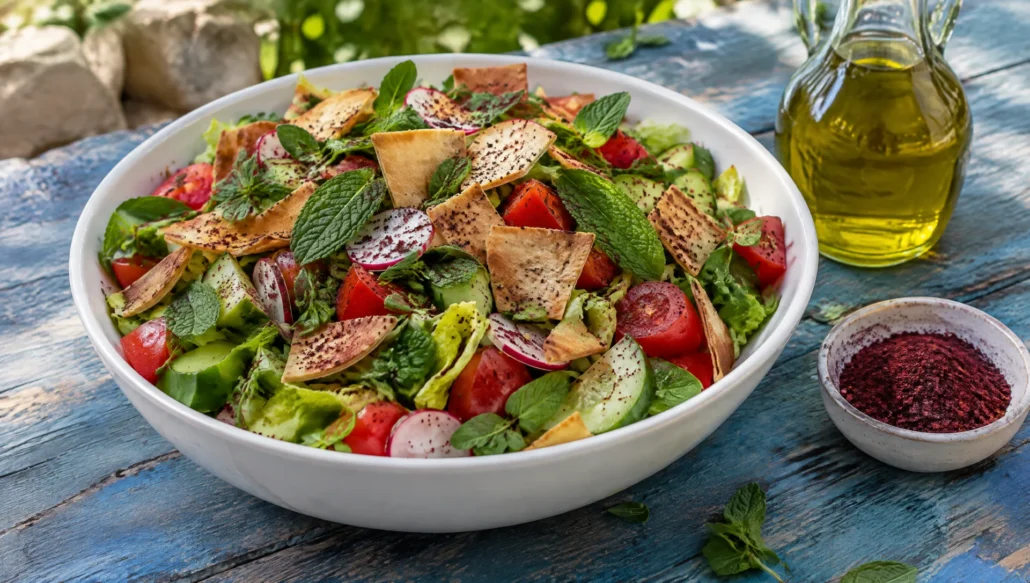
For a Beirut-style sandwich, open a thin pita, spread with tarator, add 3 or 4 crushed falafel, tomato, parsley, mint, radish and pickled turnips, then roll it tight. Falafel are also good on a plate with baba ghanoush and fattoush. The raw mix (without baking soda) freezes for up to 3 months; thaw it in the fridge and add the soda before frying. Fried falafel are best eaten fresh, but can be reheated in a 200°C (400°F) oven for 8 minutes.
Lebanese producers for the key ingredients
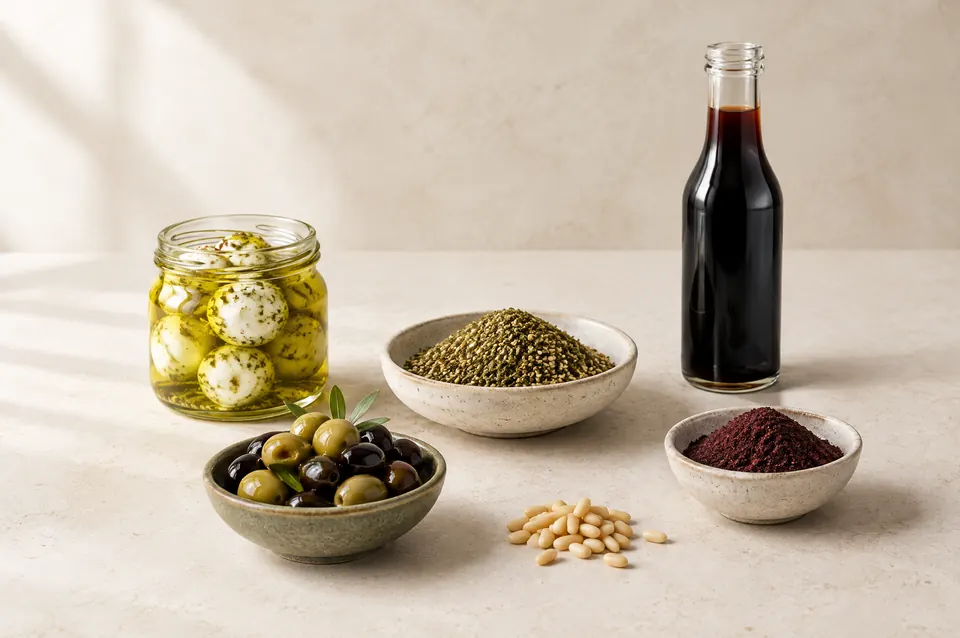
For dried chickpeas and fava beans grown and packed in South Lebanon, look at Al Baydar. Cortas, a Beirut pantry brand since 1930, makes the tahini many Lebanese kitchens use for tarator.