

How to Make Foul, Balila and Msabbaha (Beans and Chickpeas)
Lebanon’s weekend breakfast trio, made with one pot of warm beans, plenty of garlic and lemon, and the best olive oil you have.
- Prep time
- 15 minutes
- Cook time
- 15 minutes (with canned beans)
- Serves
- 6
- Difficulty
- Easy
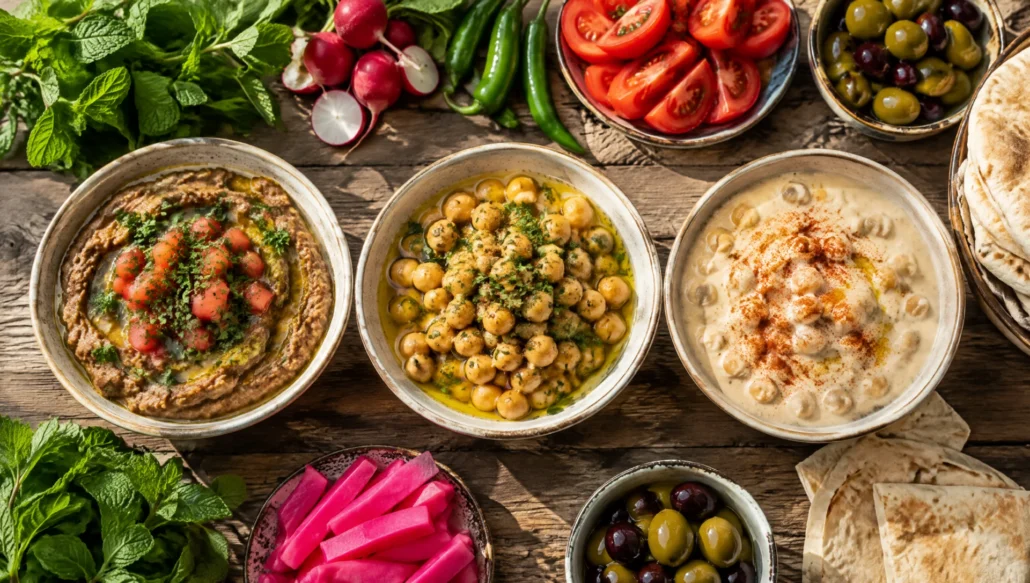
Foul, balila and msabbaha are three different dishes that share a table. Foul mudammas is small brown fava beans, warmed and crushed with garlic, lemon and olive oil; it is eaten from Egypt to Syria and probably began in Egypt. Balila is whole chickpeas served warm with cumin, garlic and lemon. Msabbaha is warm chickpeas folded into a loose tahini and lemon sauce, a bit like an unblended hummus.
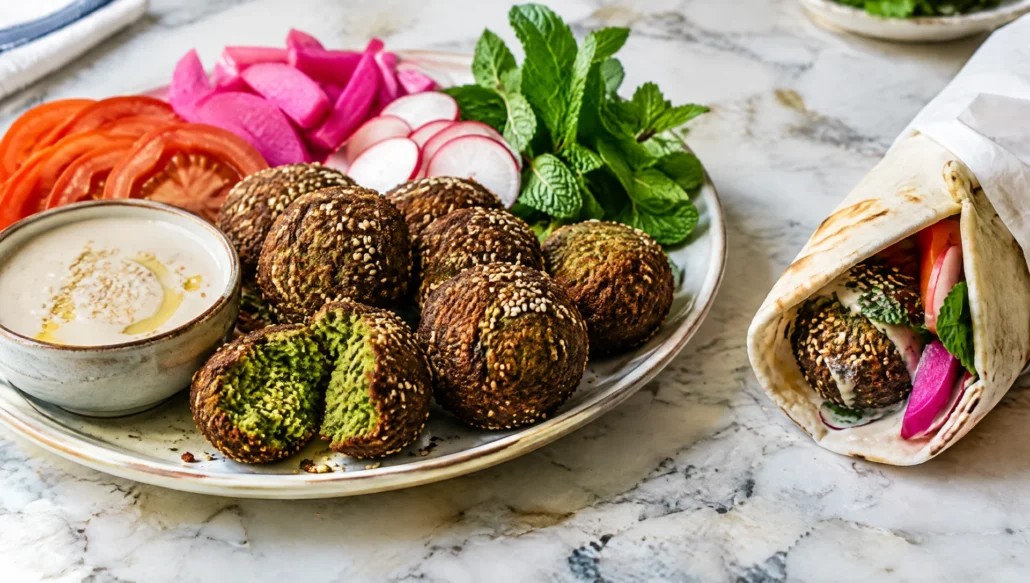
In Lebanon, all three are weekend breakfast food. Specialist shops called foualeh open early and sell them by the bowl, and many families make them at home on Sunday morning. The table is never just the beans: there are always tomatoes, mint, radishes, green chilies, spring onions, olives, pickles and a stack of bread. This recipe makes all three from canned beans, so you can serve one or all of them.
Ingredients
For the foul mudammas
- 2 cans (400 g / 15 oz each) fava beans (foul mudammas), with their liquid
- 2 garlic cloves, crushed with 1/2 teaspoon salt
- 45 ml (3 tablespoons) lemon juice
- 1/2 teaspoon ground cumin
- 45 ml (3 tablespoons) extra virgin olive oil
- 1 tomato, diced, and 2 tablespoons chopped parsley
For the balila
- 1 can (400 g / 15 oz) chickpeas, or 250 g (1 1/2 cups) home-cooked chickpeas
- 1 garlic clove, crushed with 1/4 teaspoon salt
- 30 ml (2 tablespoons) lemon juice
- 1/2 teaspoon ground cumin
- 30 ml (2 tablespoons) extra virgin olive oil
- 1 tablespoon toasted pine nuts (optional)
For the msabbaha
- 1 can (400 g / 15 oz) chickpeas, or 250 g (1 1/2 cups) home-cooked chickpeas
- 45 ml (3 tablespoons) tahini
- 30 ml (2 tablespoons) lemon juice
- 1 garlic clove, crushed with 1/4 teaspoon salt
- Olive oil, paprika and cumin, to finish
Instructions
- Tip the fava beans and their liquid into a small saucepan with 60 ml (1/4 cup) water. Drain and rinse the two cans of chickpeas and put them in a second saucepan with 250 ml (1 cup) fresh water.
- Bring both pans to a gentle simmer over medium heat and cook for 10 minutes, until the beans are hot through and soft. The fava beans should crush easily against the side of the pan.
- Foul: lightly mash the fava beans in the pan with a potato masher or the back of a spoon, leaving about half of them whole. Stir in the garlic, lemon juice and cumin. Add a splash of the liquid if it seems thick. Spoon into a shallow bowl and top with the olive oil, tomato and parsley.
- Balila: lift half of the chickpeas into a bowl with a slotted spoon, keeping the cooking water. Toss them with the garlic, lemon juice, cumin and 2 tablespoons of the hot cooking water. Pour the olive oil over and scatter with pine nuts.
- Msabbaha: in another bowl, whisk the tahini, lemon juice and garlic. It will thicken; whisk in 3 to 4 tablespoons of the hot chickpea water until it is smooth and creamy. Add the rest of the chickpeas, lightly crush a few with a fork, and stir. Finish with olive oil, a pinch of paprika and cumin.
- Taste each bowl for salt and lemon and serve warm with the garnishes below.
Tips for the best foul, balila and msabbaha
- Use the warm cooking liquid, not plain water. It keeps everything silky.
- Be generous with the olive oil. In Lebanon it is poured, not drizzled.
- For dried beans, soak 200 g (1 cup) chickpeas overnight and simmer for 1 to 1 1/2 hours until very soft. Dried whole fava beans need a longer soak and several hours of slow cooking, so canned foul is the practical choice.
- Crush the garlic with salt in a mortar. It turns creamy and spreads evenly.
How to serve and store
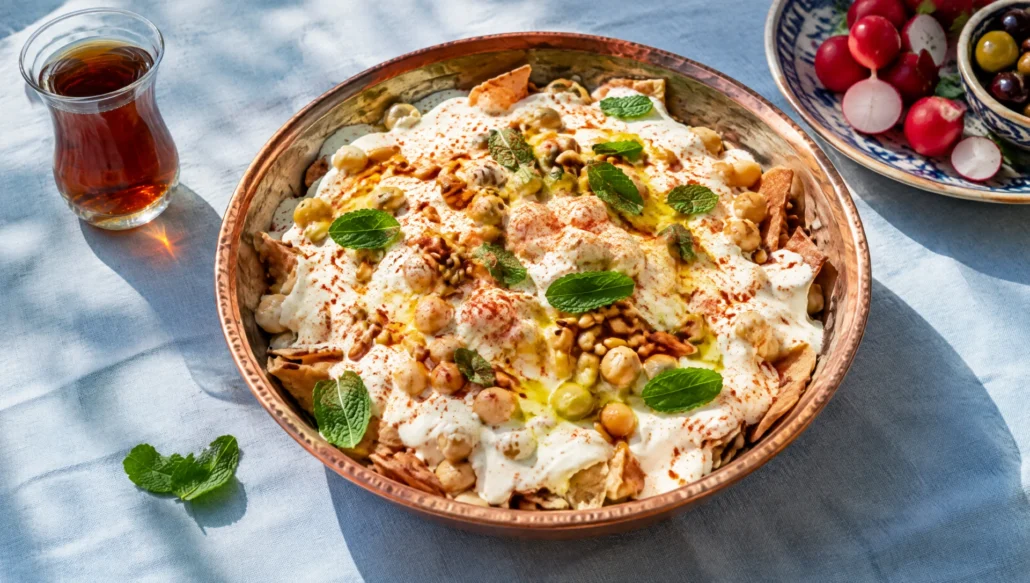
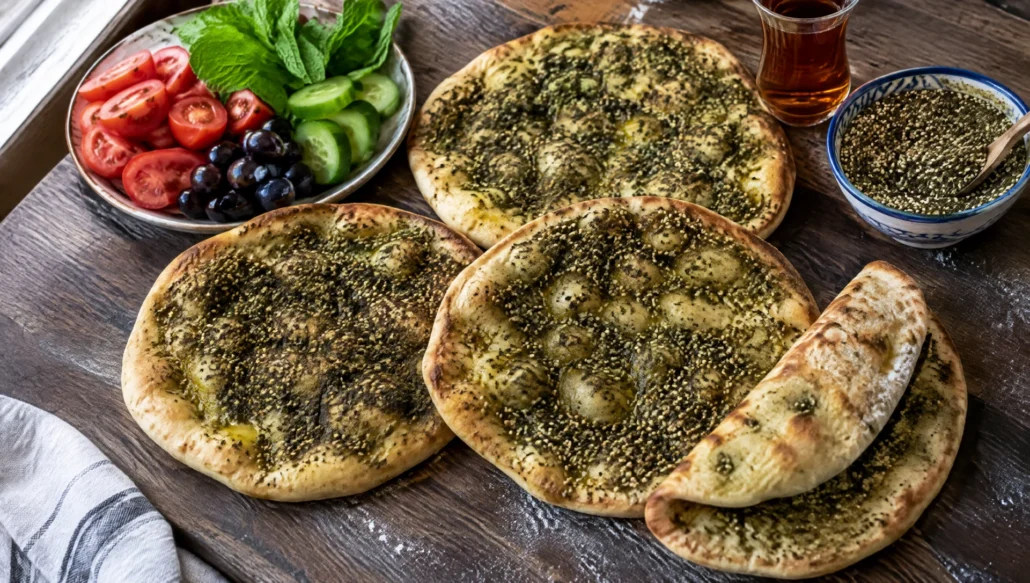
Set the bowls out with sliced tomatoes, fresh mint, radishes, spring onions, green chilies, olives and pickled turnips, plus warm pita or za’atar manakeesh. For a bigger brunch, add fattet hummus. Each dish keeps for 3 days in the fridge; reheat gently with a splash of water and add fresh olive oil.
Lebanese producers for the key ingredients
Cortas, a Beirut pantry brand since 1930, makes both canned beans and tahini. For a peppery cold-pressed olive oil to pour on top, try Solar Olives, a single-estate organic producer in Koura.