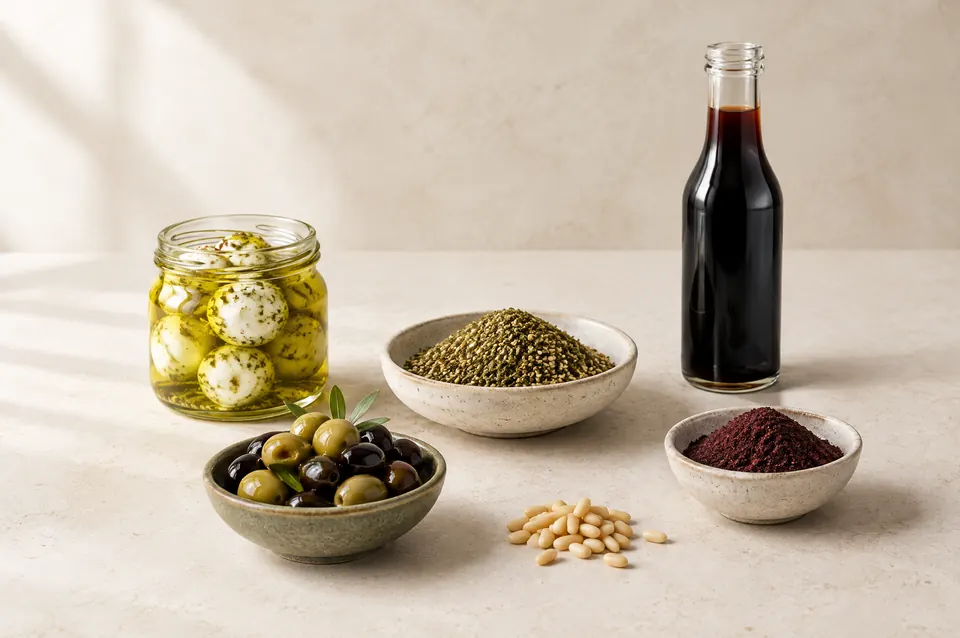


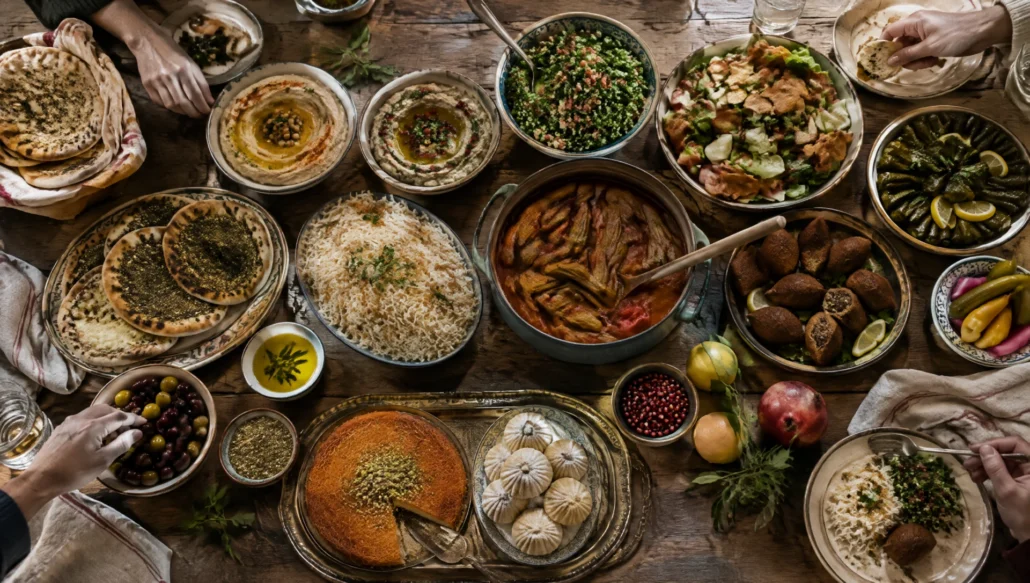
Mouneh is the Lebanese habit of putting food away for the year: jams, pickles, kishk, dried herbs, olive oil and more. Much of it is still made in villages, often by women working in small groups, and buying from them keeps that income in rural areas. The producers below range from formal cooperatives to family projects and small farms.
How we chose
Every producer here is listed in the Made in Liban directory and makes its products in Lebanon. We picked listings whose information mentions a cooperative, a village, women’s work or rural production, and we spread the picks across regions from Akkar to the South. We have not tasted the products; each description is drawn from the producer’s listing.
Cooperatives and women-led kitchens
Khayrat Bekaena COOP
Residents of El Khiara, a small village in West Bekaa, set up this cooperative in 2013 to create jobs for local women. About ten Lebanese and Syrian women run it, following the seasons to make jams, pickles, kishk, olive oil, vinegar and tomato paste. With support from the Food Heritage Foundation, the kitchen team trained in food safety and the cooperative expanded into catering and food assistance. Buyers can reach it through the foundation’s office in Sanayeh, Beirut.
AlRiif Honey
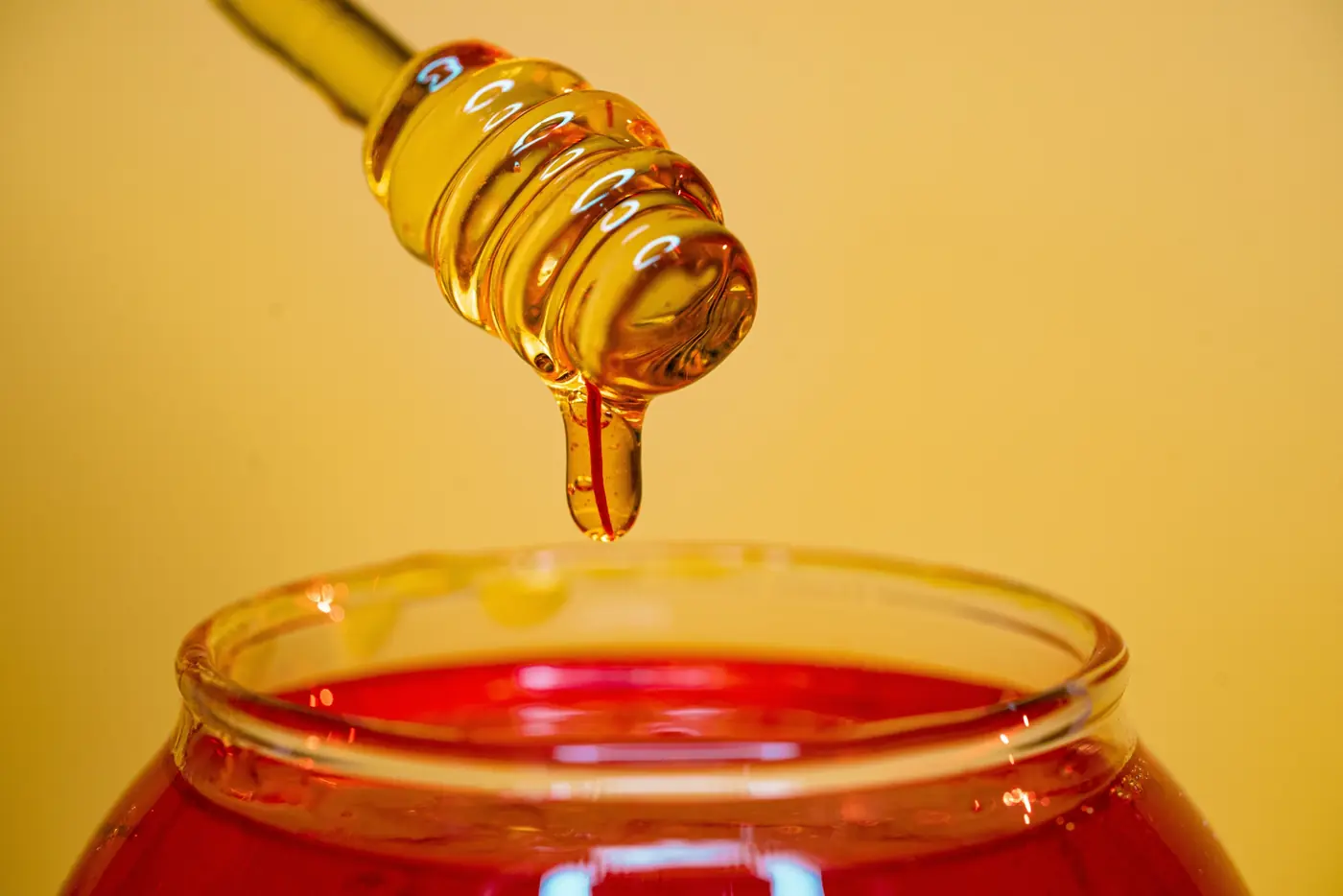
Far up in Akkar, the United Cooperative Association of Beekeepers sells its mountain honey under the AlRiif name. The cooperative works out of the Akkar el Atika Union Center, and with support from UNDP and Norway it built new packaging and an online presence that now brings orders from across Lebanon and abroad. Jars run from 30 gram tasters to 900 grams. Visit AlRiif Honey
Jabal Moussa
Around the Jabal Moussa Biosphere Reserve in Keserwan, local women prepare food in a central kitchen first set up at a school in Ghbaleh. The range includes crystallized thistle honey, zaatar, zaatar water and zaatar essential oil, plus handmade dolls and keychains. Products have been on sale since 2012 through an online Eco-Shop and about two dozen points of sale, and proceeds support conservation and local families. Visit Jabal Moussa
Anamel
Set up in 2018 in Al Abadiyeh, in the Aley hills, Anamel exists to create income for women and girls in rural communities. Women work in its production facility and, for some items, from their own homes. The catalogue runs to roughly 100 products, including tomato paste, chili paste, makdous, stuffed grape leaves, kishk and whole wheat pastries with no added sugar. Orders go directly by email or phone.
Atayeb el Rif
Dozens of rural women’s cooperatives across Lebanon supply this village mooneh label. Its range covers jams, syrups, dried fruit, pickles, olive oil, dairy and honey, which makes it a convenient way to buy from many villages at once.
ByRoots Gourmet
Premium Lebanese jams sourced from rural women’s cooperatives are the focus here, chosen for flavor and for the income they bring back to the women who make them.
Intajouna
Community-made jams from this label support rural livelihoods and keep traditional recipes in use.
Adira
A women-led enterprise, Adira makes small-batch jams with seasonal, organic fruits.
Family farms and village producers
Yalla Mooneh
In Kfarmechki, a village in the Bekaa, one family makes homemade mouneh with ingredients bought from nearby farmers and recipes handed down over the years. Expect sun cured olives, pickles, labneh, olive oil, zaatar, sumac, vine leaves, jams and nuts, plus bundle boxes called Yalla Duo and Yalla Trio. Contact numbers on the site carry a UAE country code, so check delivery for your location first. Visit Yalla Mooneh
Al Baydar
Based in the Bint Jbeil district with operations in Tyre, Al Baydar buys grains and pulses from farmers in its own and nearby villages, then inspects and sterilizes them before packing. Its shelf holds wheat, bulgur, lentils, chickpeas, fava beans and freekeh, a crop mainly produced in South Lebanon. The company aims to pay farmers fair prices and create jobs close to home.
Mountain Boons
Zaher Jamal Eddeen founded this Chouf company in 2018 to bring mountain produce to home kitchens, growing and sourcing from farmland in Al Barouk. Its zaatar comes as a classic mix and a richer blend with roasted almonds and walnuts, and the shelf also includes sumac from homegrown trees, olive oil and distilled waters. The brand states its products have no additives or preservatives.
Pure Farms
Beekeeper Marcel Joe Houayek keeps hives in Oura in the north and near Saida in the south, selling oak, eucalyptus, thyme, lemon and cedar honey along with beeswax candles and homemade mouneh from family recipes. The farm is a stop on the Batroun HoneyBee Route, where visitors can taste honey, watch the hives or join a beekeeping workshop.
Tips
- Ask what is in season. Cooperatives and village kitchens often work with whatever crops are ready, so the range changes through the year.
- Read labels for jar size and ingredients, and ask the producer about storage once a jar is open.
- Order early for holidays and gift boxes, since small kitchens make limited batches.
- When a producer has no website, contact them through the channel in their listing, such as phone, email, social media or a partner organization.
- If you visit a farm or reserve, call ahead to check what is open and whether visits need booking.
Frequently Asked Questions
What is mouneh?
Which producers here are run by or for women?
Can I visit any of these producers?
Further reading
- From Akkar’s Beehives to International Markets (UNDP)
- Khayrat Bekaena COOP, El Khiara, West Bekaa (Food Heritage Foundation)
- Rural products (Jabal Moussa)
- Anamel (Berytech profile)
- Batroun HoneyBee Route (MedBEES)
Browse every brand in Mooneh & Lebanese Pantry, or submit a brand we should add.