




How to Make Lebanese Za’atar Mix at Home
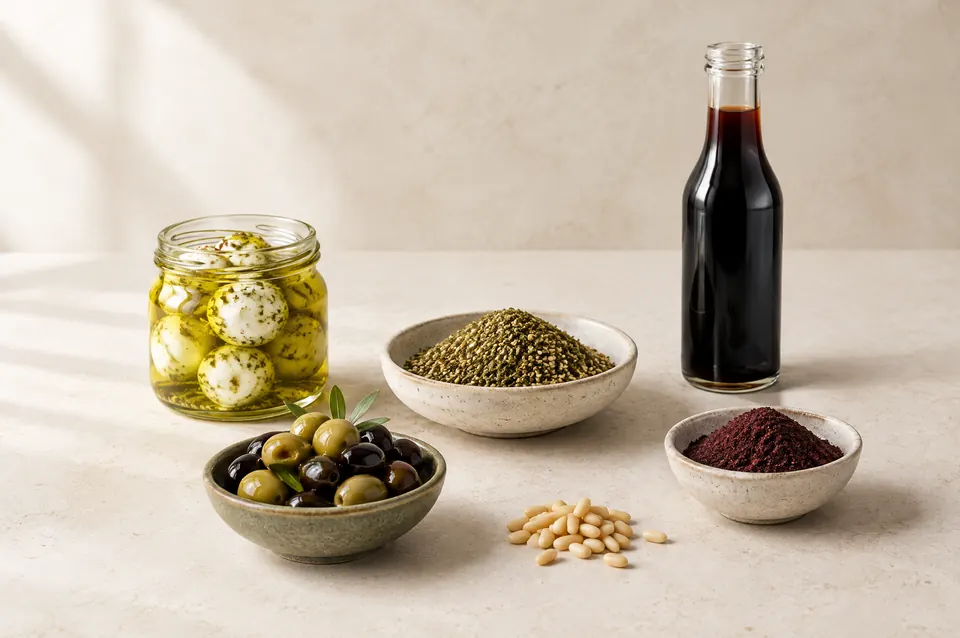
Lebanese za’atar is four ingredients: dried za’atar leaves, sumac, toasted sesame and salt. Mixed well and kept dry, it seasons manakish, labneh and eggs for months.
- Prep time
- 10 minutes
- Cook time
- 5 minutes
- Serves
- Makes about 1 1/2 cups
- Difficulty
- Easy
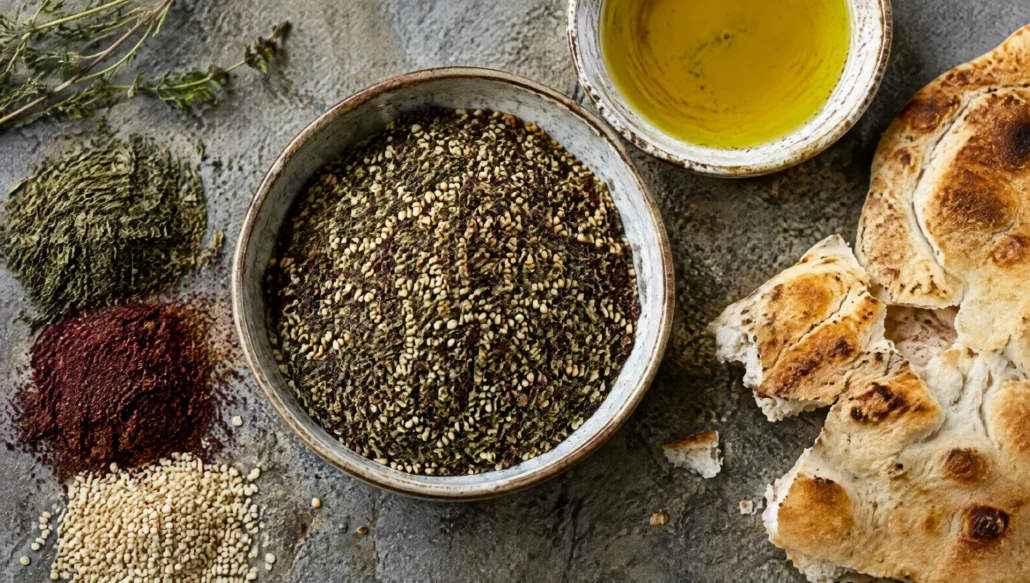
Za’atar is both a plant and a blend. The plant is a wild herb of the oregano family (Origanum syriacum, sometimes sold as Syrian oregano or wild thyme) that grows on Lebanese hillsides. The blend is its dried leaves mixed with tart purple sumac, toasted sesame seeds and salt. Every family and every village has its own balance, some more sour, some heavy on sesame.
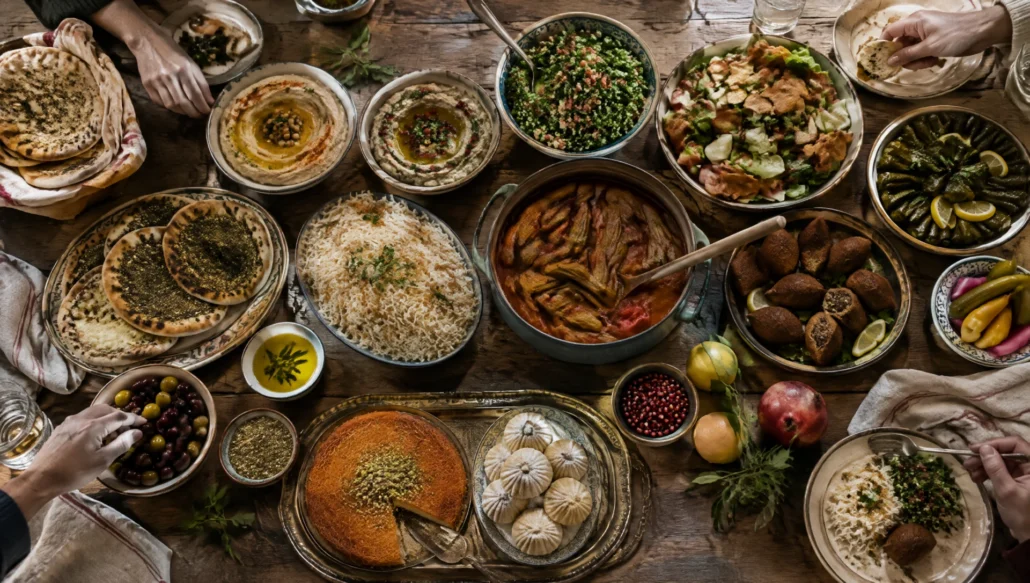
In Lebanon za’atar is breakfast: stirred into olive oil and baked on manakish, dabbed on labneh, or eaten simply with bread dipped first in oil and then in za’atar. Many homes still pick and dry the herb in summer and grind their year’s supply. The earlier version of this recipe added cumin, which is not part of the Lebanese blend, so it has been left out.
Ingredients
- 40 g (1 cup) dried za’atar leaves (Origanum syriacum), or dried oregano mixed with dried thyme if you cannot find it
- 35 g (1/4 cup) sesame seeds
- 30 g (1/4 cup) ground sumac
- 1 teaspoon fine sea salt, or to taste
- 1 teaspoon olive oil (optional, for a darker, clumpier village-style blend)
Instructions
- Toast the sesame. Put the seeds in a dry frying pan over medium low heat and stir or shake constantly for 3 to 5 minutes, until they turn light golden and smell nutty. Tip them onto a plate right away so they stop cooking, and let them cool completely, about 10 minutes.
- Grind the herb. If your dried za’atar is in whole leaves, pick out any woody stems and rub the leaves between your palms, or pulse briefly in a spice grinder, until they are fine but not a powder. If you are using oregano and thyme, grind them together the same way.
- In a bowl, combine the ground herb, sumac and salt. Mix well with your fingers, breaking up any clumps of sumac.
- Add the cooled sesame seeds and stir gently so they stay whole.
- If using the olive oil, drizzle it over and rub the blend between your fingertips for a minute until it darkens slightly and smells stronger.
- Taste a pinch on bread dipped in olive oil. Add more sumac for tang or more salt to balance. Store in a clean, dry, airtight jar.
Tips for the best za’atar
- Use real za’atar leaves if you can. Supermarket thyme alone tastes sharper and less sweet.
- Make sure the sesame is fully cool before mixing. Warm seeds create moisture and the blend goes clumpy and stale.
- Buy sumac that is deep burgundy and slightly moist. Dull, brown sumac has lost its tartness.
- Make small batches. Za’atar is at its best within three months.
Variations
- Green za’atar: use a higher share of herb (about 1 1/2 cups to the same sumac and sesame) for a mild, grassy blend, closer to what many mountain villages make.
- Tangy za’atar: double the sumac for a sharper, redder blend that suits salads and grilled chicken.
- Nutty za’atar: stir in 2 tablespoons finely chopped toasted almonds or walnuts, as some Chouf producers do. Keep this version in the fridge and use it within a month.
How to serve and store
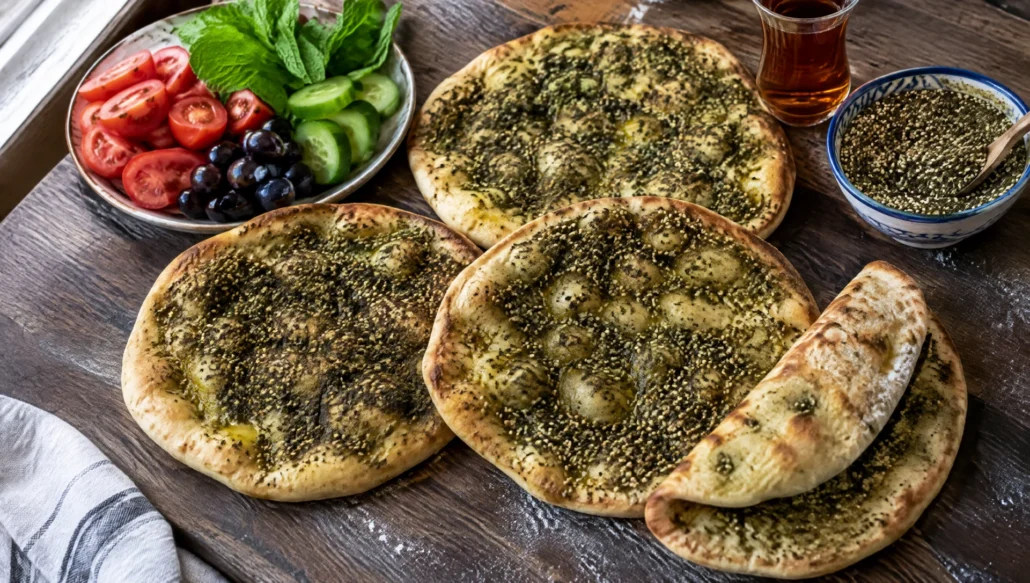
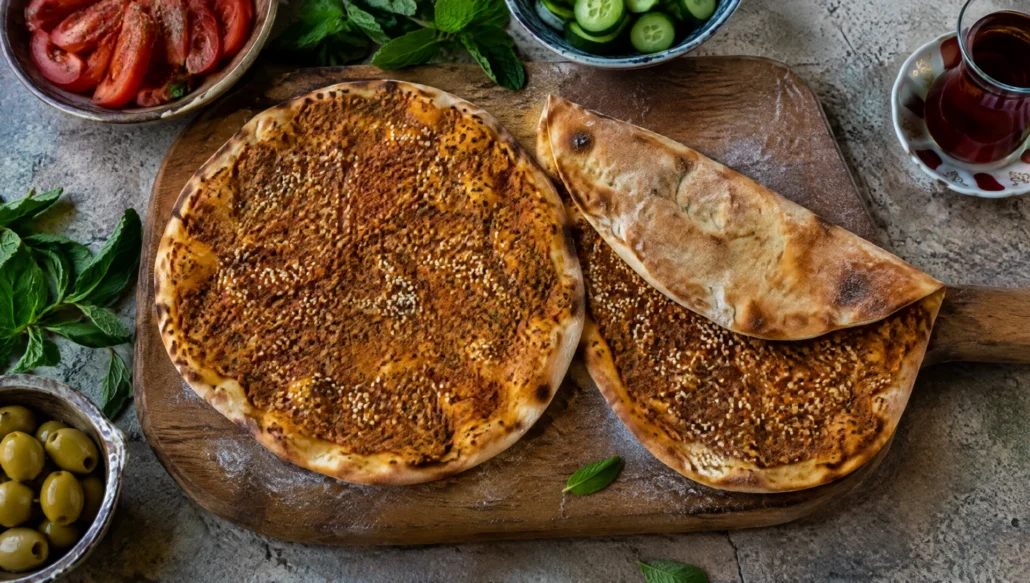
- Za’atar manakish: mix 4 tablespoons za’atar with 5 tablespoons olive oil, spread on flattened dough and bake at 250°C (480°F) for 6 to 8 minutes.
- Zeit w za’atar: serve a bowl of olive oil and a bowl of za’atar with warm bread, tomatoes, cucumbers, olives and mint.
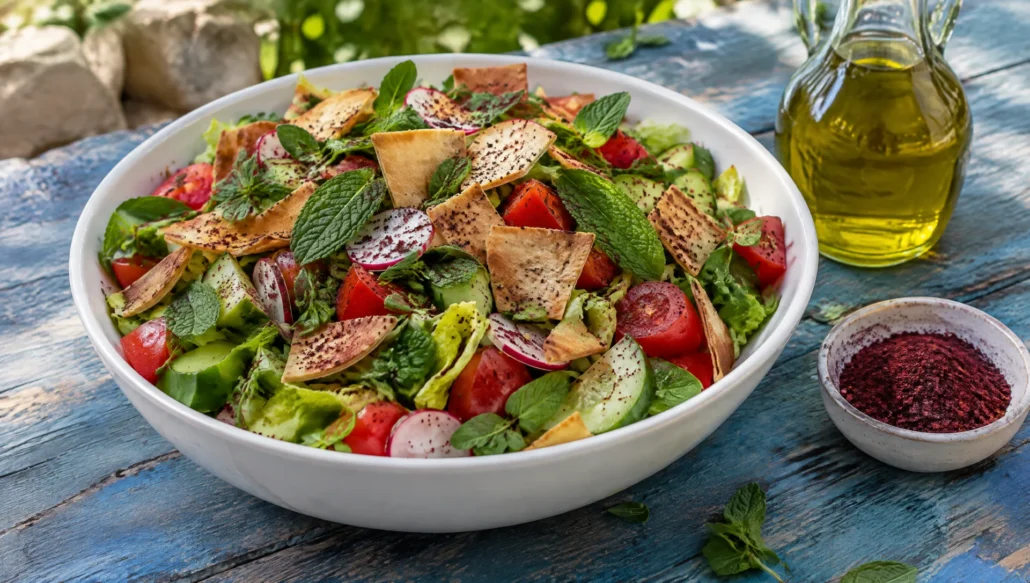
- Sprinkle over labneh, fried eggs, roasted potatoes or a fattoush salad.
- Store away from light and heat for up to 6 months. If the blend smells faint, it is time for a new batch.
If you would rather buy it ready made, Lebanese producers such as Mountain Boons in Al Barouk and Zeit Boulos sell za’atar and sumac, and their olive oil is the natural partner for it.