
Local Food in Tripoli: A Weekend Guide for Families
Lebanon’s capital of sweets is also one of the best preserved medieval cities in the region. Two days, two neighbourhoods and a lot of knefeh.
- Region
- Tripoli, North Lebanon
- Time needed
- A weekend
- Best time to visit
- March to June, September to November
Tripoli, Lebanon’s second city, sits about 85 km north of Beirut and is the country’s capital of sweets. It is also one of the best preserved Mamluk cities anywhere, with covered souks, stone khans and mosques from the 13th and 14th centuries still in daily use. Families who come for a weekend get two cities in one: the old town and its citadel inland, and the port district of El Mina by the sea.
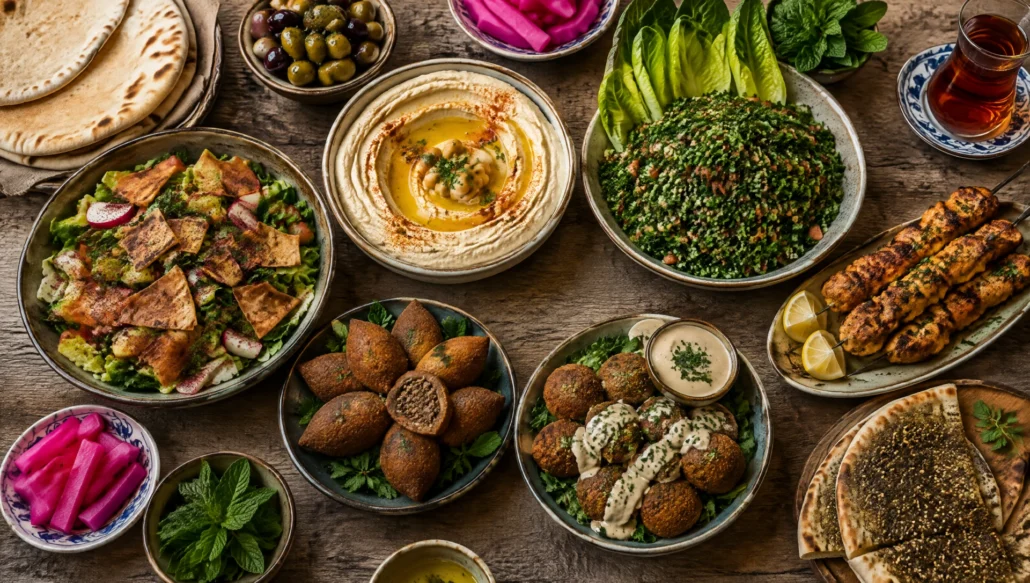
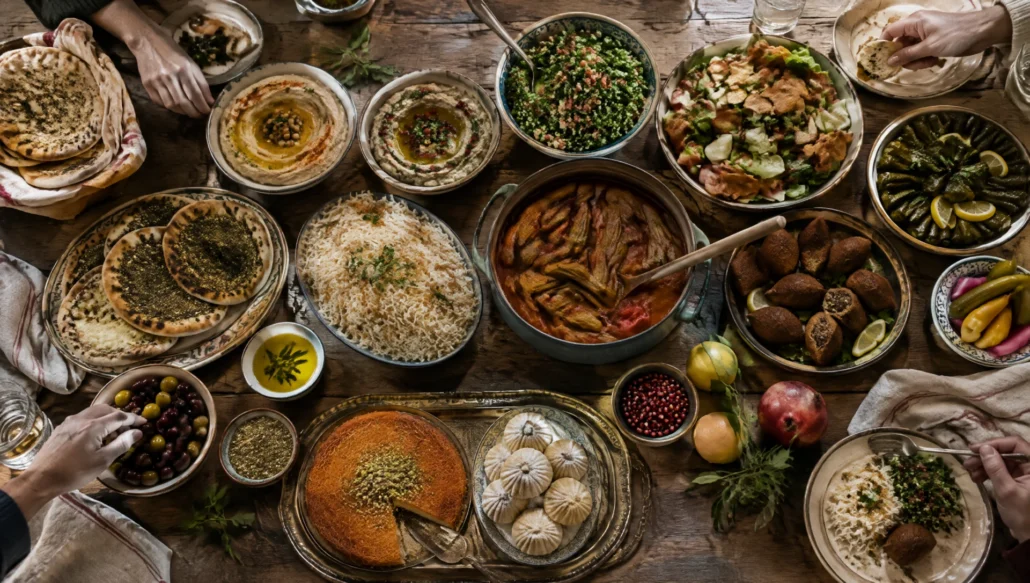
Food here is cheaper, heartier and more traditional than in Beirut. Expect foul for breakfast, shawarma for lunch and some of the finest knefeh and halawet el jibn in Lebanon for dessert.
What to eat in Tripoli
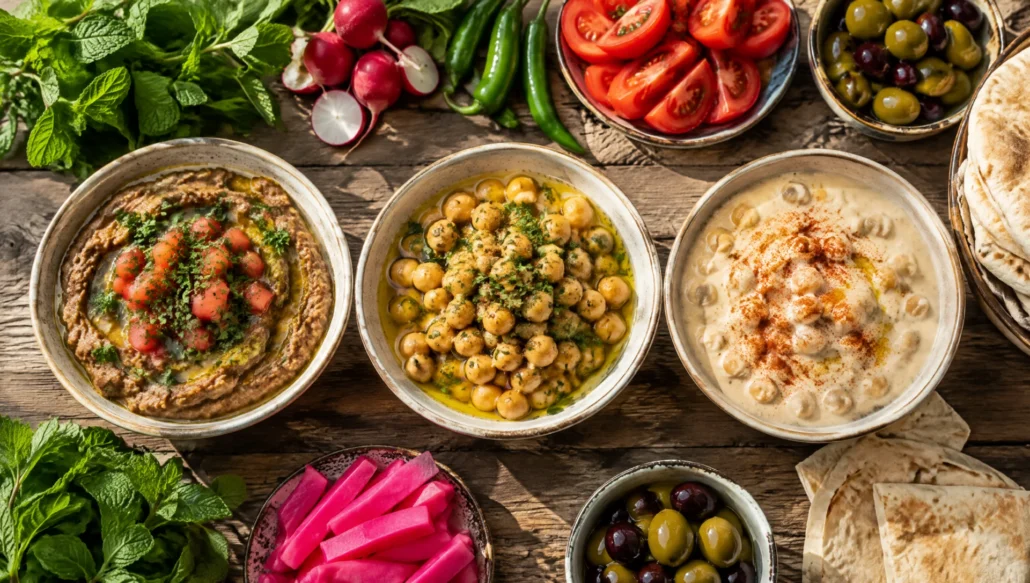
- Foul and fatteh: slow-cooked fava beans with garlic, lemon and olive oil, or chickpeas over toasted bread with yogurt. The classic Tripoli breakfast.
- Ka’ak with akkawi: sesame bread split and filled with salty white cheese, toasted to order from street carts near the citadel.
- Moghrabieh: pearl couscous with chickpeas, onions and spices, sold as a dish or wrapped in thin bread in the souk.
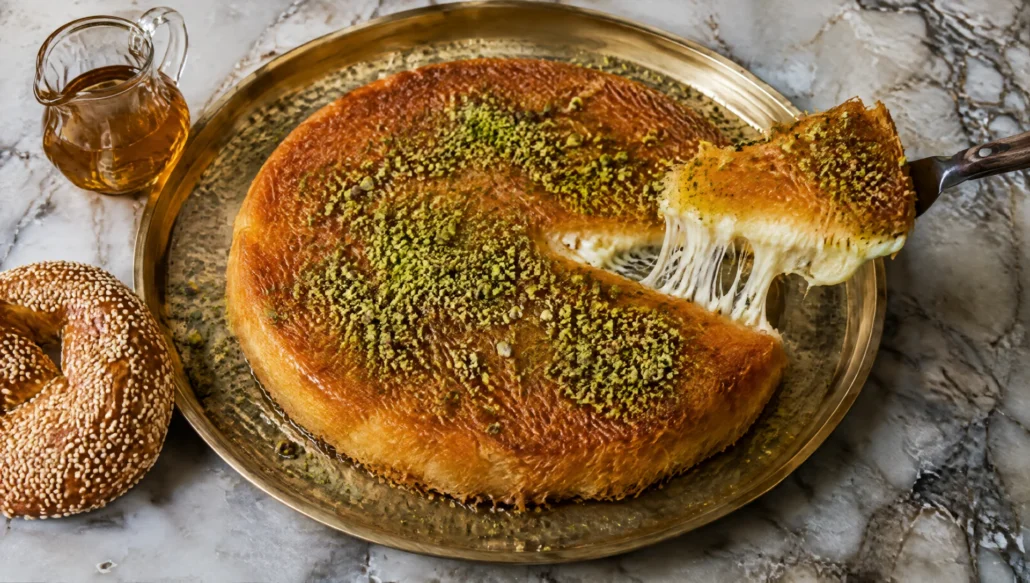
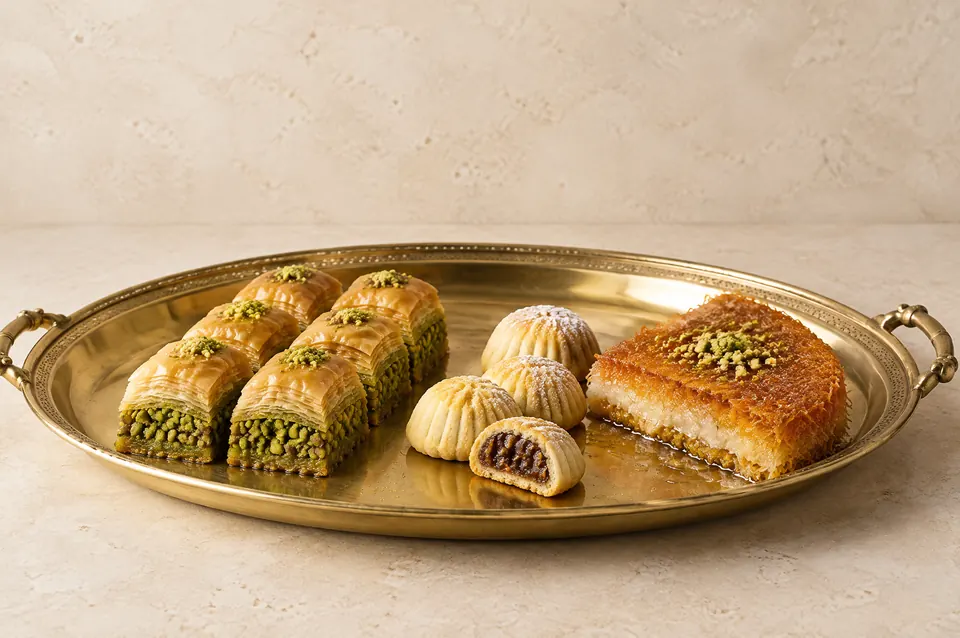
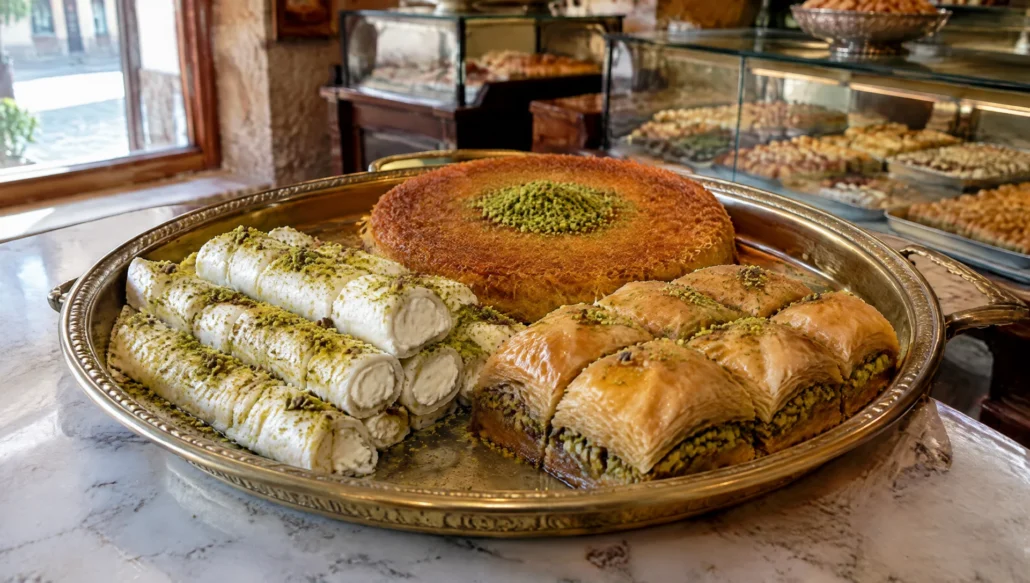
- Halawet el jibn: soft rolls of sweet cheese dough filled with ashta cream, finished with syrup and pistachio. Tripoli’s signature sweet.
- Knefeh: warm cheese and semolina pastry soaked in syrup, eaten in sesame bread.
- Znoud el sett: crisp fried rolls of pastry filled with cream and soaked in orange blossom and rose syrup.
Day 1: the old city
Morning: foul and the citadel
Start the way Tripolitans do, with a plate of foul at Akra, a breakfast institution known for its protein-rich foul, with fresh bread, mint, onion and pickles. Then climb to the Citadel of Raymond de Saint-Gilles, which began as a Crusader fortress in the early 12th century and was rebuilt by the Mamluks and Ottomans. Children love the ramparts, and the views over the old city and river are the best in town. On the way out, grab a ka’ak with akkawi from a cart nearby.
Afternoon: the souks
Walk down into the souks, the busiest and most traditional in Lebanon. Look for Khan al Saboun, the old soap khan, where olive oil soap is still sold; Khan al Khayyatin, the tailors’ khan with its long vaulted lane; and the Great Mansouri Mosque, built in the late 13th century. Lunch can be shawarma at Abou Sobhi, which has a strong local following, or a bowl of moghrabieh at Malak El Moghrabieh.
Evening: sweets
No visit to Tripoli is complete without a stop at Abdul Rahman Hallab & Sons 1881, known locally as Kasr el Helou (the palace of sweets). Order halawet el jibn, knefeh and baklava, and watch the counters for what is fresh. Ask for a box packed for the journey home.
With children
The souks can be crowded and narrow, so keep little ones close and agree on a meeting point, such as the clock tower square at the entrance to the old city. Most children are delighted by the soap khan, where bars of olive oil soap are stacked in towers and shaped into fruit, and by the workshops where copper, wood and sweets are still made by hand. Break up the walking with fresh juice from one of the stalls; Tripoli is known for its oranges, and fresh orange juice is cheap and everywhere.
Day 2: El Mina and the sea
Morning: the port
Head to El Mina, the old port district, and walk its narrow lanes of old stone houses down to the harbour and the corniche. In summer, boats from the port take visitors to the Palm Islands Nature Reserve offshore, a protected group of small islands with sandy beaches and nesting birds; check sailing times locally and bring sun protection, as there is little shade.
Midday: ice cream and pastries
Al Tom Delights has been making oriental sweets and ice cream in El Mina since 1919, and its znoud el sett are worth the stop. For a savoury snack, Furn El Sabaya, a women-led Tripoli bakery, makes man’oushe and spinach pies.
Afternoon: Niemeyer’s fair
Between the old city and El Mina lies the Rachid Karami International Fair, a vast modernist complex designed by Brazilian architect Oscar Niemeyer from the 1960s and left unfinished when the civil war began. UNESCO inscribed it as a World Heritage Site in 2023 and placed it on its danger list. Inside the old guesthouse, the woodworking workshop Minjara makes furniture with Lebanese designers, a hopeful sign of new life on the site.
Where to stay
Beit el Nessim is a calm seaside guesthouse in the old quarter of El Mina, a good base for families who want to walk to the port. For coffee in the morning, Newtown Specialty Coffee Roasters roasts specialty beans in Tripoli.
Practical tips
- The souks are liveliest in the morning. Go early, before the midday heat and the delivery traffic in the narrow lanes.
- Dress modestly in the old city and remove shoes in mosques. Women should carry a scarf.
- Tripoli is cheaper than Beirut, and many small places accept only cash.
- Sweets travel well in a box but knefeh is best eaten warm on the spot.
- Our guides to homemade knefeh and foul and balila will help you recreate the trip at home.