
Top 10 Best Villages in Lebanon for a Mountain Weekend
Red-tiled roofs, stone souks, monastery valleys and long Sunday lunches: these are ten Lebanese villages that make the trip out of Beirut worth it.
- Region
- Across Lebanon
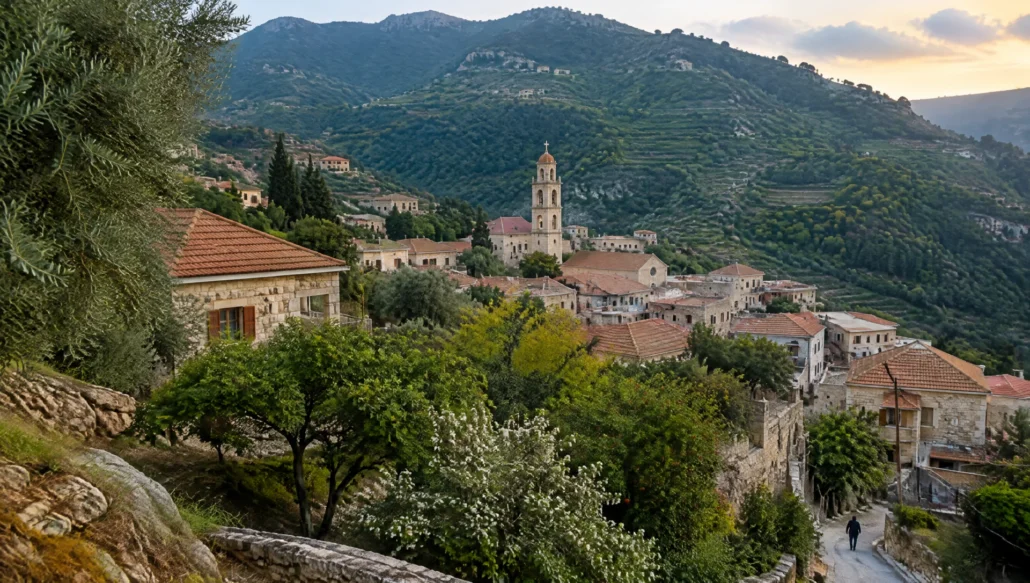
To understand Lebanon, leave Beirut for a weekend. In the mountain villages you find red-tiled stone houses built with money sent home by emigrants, old souks, churches and mosques side by side, terraces of olives, apples and vines, and a Sunday lunch culture that can easily last until evening. Most villages are within two hours of the capital, and many have simple guesthouses run by local families.
Here are ten villages and small towns that each show a different side of the country, from the Chouf to the Qadisha Valley and the Bekaa.
How we chose
We kept the strongest picks from the old version of this page and replaced a few we could not confirm or that are hard to reach right now. We looked for places with real character (old architecture, a living village centre, nature nearby) and enough to do for at least a day. Facts were checked against encyclopedia entries, UNESCO and Lebanese travel media.
1. Deir el Qamar (Chouf)
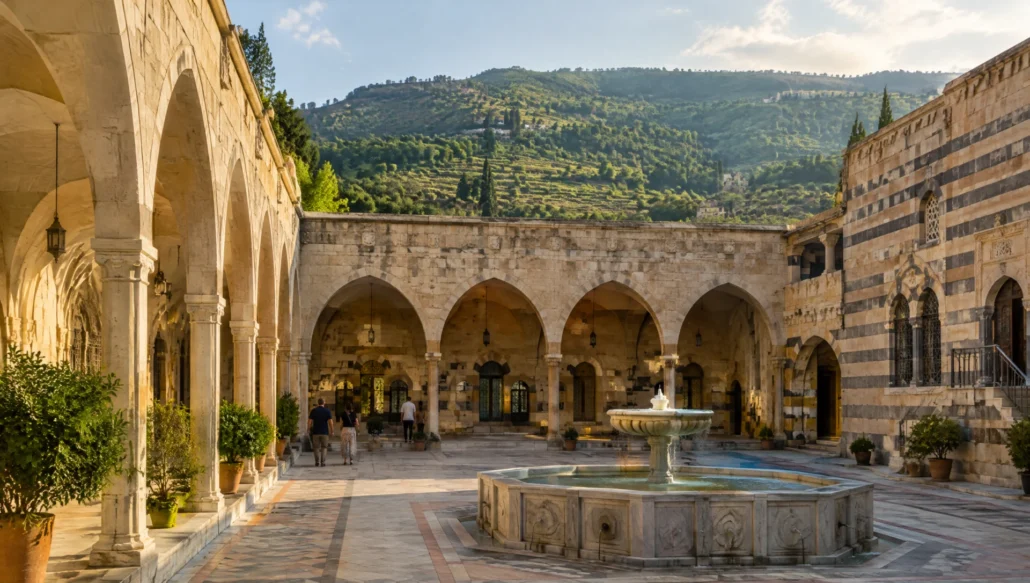
At about 800 m in the Chouf, Deir el Qamar was the seat of Lebanon’s emirs and is one of the best preserved old towns in the country. Around its main square stand the Fakhreddine Mosque, built in 1493 and said to be the oldest in Mount Lebanon, the palace of Emir Youssef Chehab (now the town hall) and old stone buildings around the square. The Marie Baz Wax Museum is in a family palace, and the church of Saydet el Talle on the hill is revered by Christians and Druze alike.
Beiteddine Palace is about 5 km away. Tip: stay in a restored stone house such as Beyt El Jabal and visit the square at night, when it is lit and quiet.
2. Douma (Batroun district)
Douma lies at about 1,070 m in a green valley in the Batroun hills, 88 km from Beirut, and is famous for its red-tiled roofs: almost every house has one. Most of the village was built between 1881 and 1914, much of it with money from emigrants, and it was once known as Douma al Hadid for its blacksmiths. A Roman-era sarcophagus with a Greek inscription stands in the square.
Douma has a side trail of the Lebanon Mountain Trail and is surrounded by olive, apple and vine terraces. Tip: Beit Douma is a guesthouse in the village, a good base for a slow weekend.
3. Bcharre (Qadisha Valley)
Bcharre sits on the edge of the Qadisha Valley, below the Forest of the Cedars of God. Together, the valley and the cedars are a UNESCO World Heritage Site. The village was the birthplace of the poet Gibran Khalil Gibran, whose museum is in the old Mar Sarkis monastery above town.
From here you can walk down to monasteries like Qannoubine and Mar Lichaa, or drive up to the cedars. Tip: autumn is apple season; look for fruit and juices from local producers like Les Vergers des Cèdres.
4. Ehden (Zgharta)
Ehden is the classic summer village of the north, high up above Zgharta with cool nights when the coast is sweltering. Its stone square (the Midan) fills with families in the evening, and the town has old churches such as Mar Mama. Above it, Horsh Ehden Nature Reserve protects cedar, fir and the rare Lebanese wild apple.
Many families from Zgharta move up to Ehden for the summer, so it is busiest from July to September. Tip: Kroum Ehden Boutique Resort is a calm place to stay near nature.
5. Jezzine (South Lebanon)
Jezzine sits at about 950 m, 22 km from Sidon, and calls itself the “City of Falls” for the waterfall that drops from a cliff at the edge of town. It is surrounded by pine forest, and the nearby Bkassine pine forest is known for its pine nuts. The town’s craftsmen have made knives and cutlery with decorated bone and inlaid handles since the 18th century.
Tip: visit the cutlery workshops in the old souk, such as Haddad Cutlery, and come in spring when the waterfall is strongest.
6. Rashaya (West Bekaa)
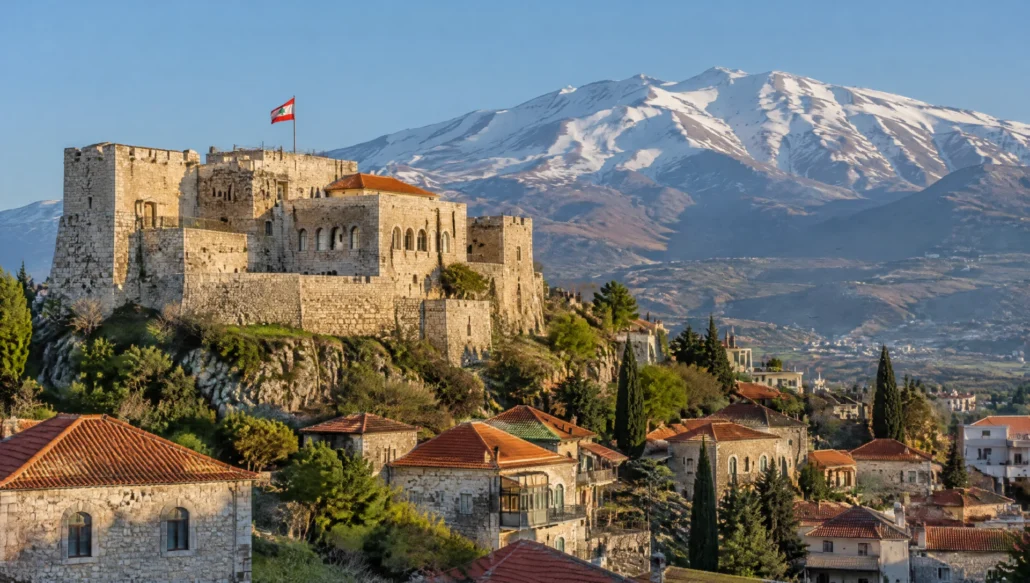
On the western slopes of Mount Hermon, Rashaya is a stone town with a small souk of crafts and a restored goldsmiths’ quarter. Its citadel, built by the Shihab emirs, is where Lebanese leaders were imprisoned by the French in November 1943; their release on 22 November became Lebanon’s Independence Day.
The citadel is still known as the Citadel of Independence. Tip: combine Rashaya with a lunch or winery visit in the West Bekaa on the way back.
7. Batroun (North Lebanon)
Batroun is more town than village, but its old core feels like one, with stone lanes, the Phoenician sea wall, old churches and small seafood places. It is one of the oldest towns on the coast and today one of the most loved weekend escapes from Beirut.
Swim in the morning, walk the souk, then drive up into the Batroun hills for wineries and villages like Douma. Tip: stay in the hills at Beit Al Batroun in Thoum for quiet nights.
8. Zahle (Bekaa)
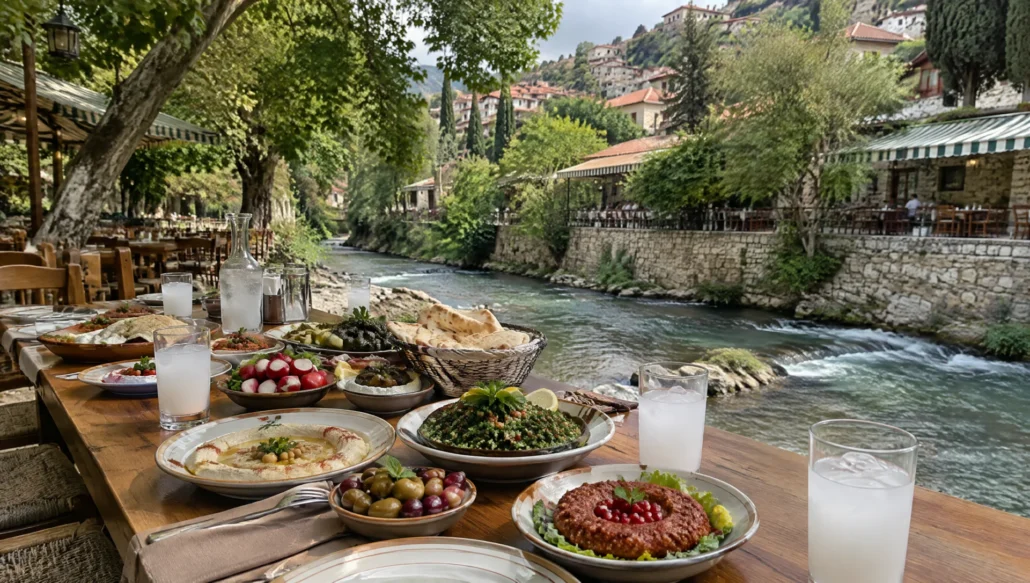
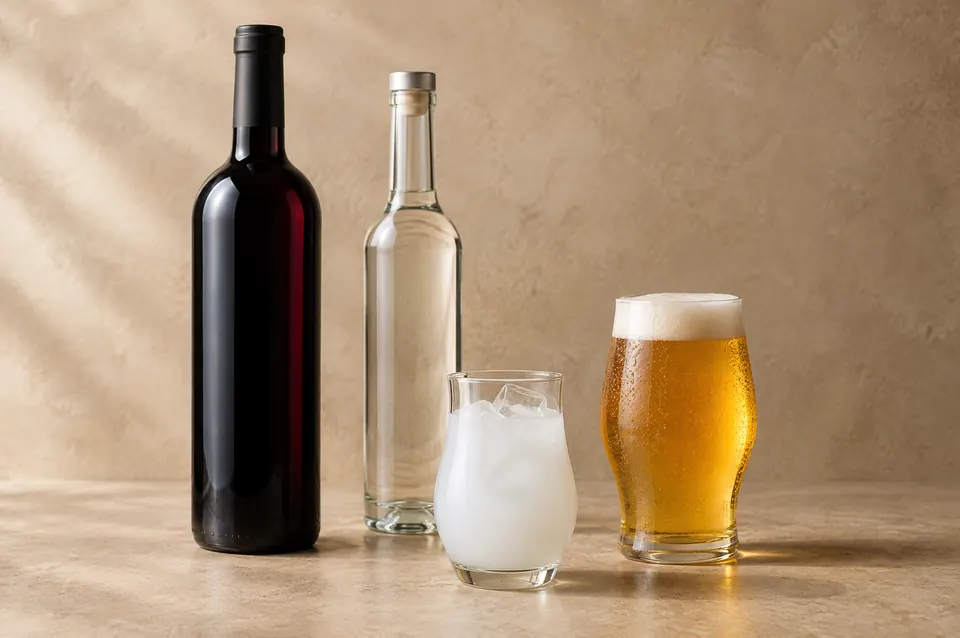
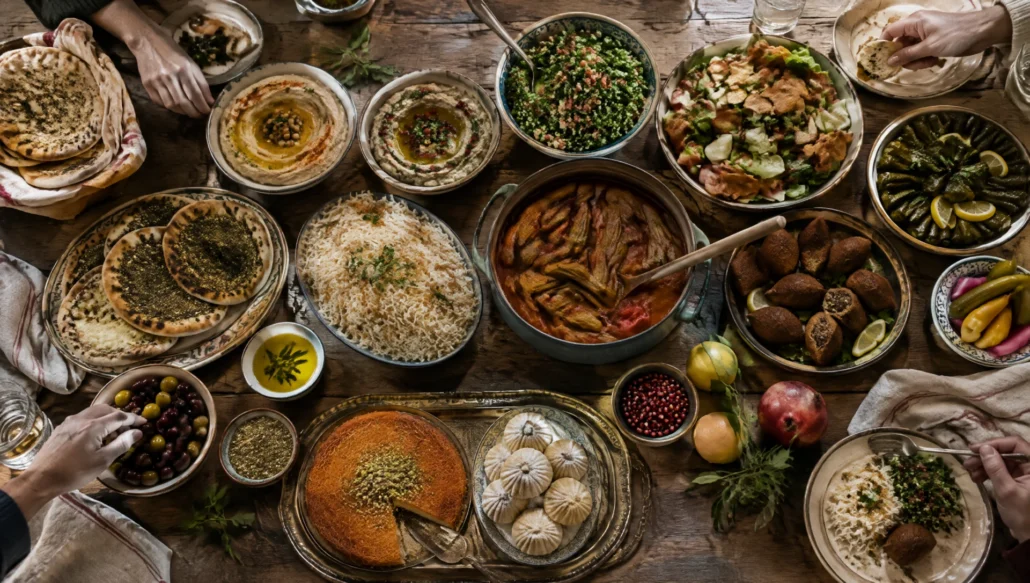
Zahle, the main town of the Bekaa, is known as the “bride of the Bekaa” and is famous for its open-air restaurants along the Berdawni river, where long mezze lunches with arak are a local ritual. Above town, a tower with a statue of Our Lady of Zahle looks over the valley.
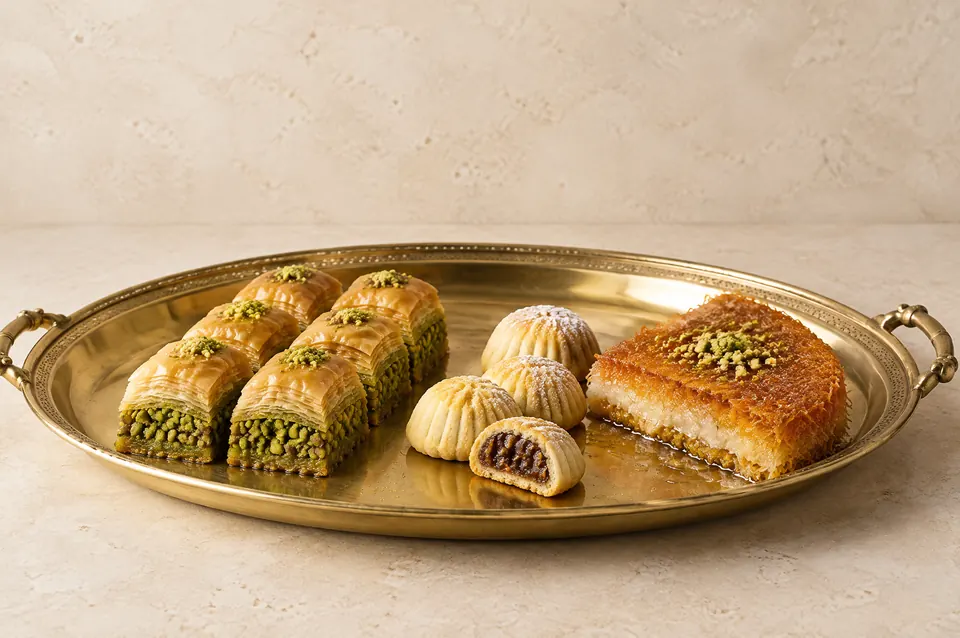
It is also the gateway to Château Ksara and other Bekaa wineries. Tip: try local sweets and dairy from Zahle producers like Skaff Dairy Farm.
9. Tannourine (Batroun district)
Tannourine is a group of high mountain villages in the Batroun district, known for its cedar forest nature reserve, its spring water and dramatic limestone scenery. The Baatara Gorge Waterfall, where water falls behind three natural bridges, is near the village of Chatine.
It is a good base for walking. Tip: go in spring for the waterfall and in autumn for quiet trails among the cedars.
10. Faraya (Keserwan)
Faraya is best known for skiing at the Mzaar resort just above it, but it is also a pleasant mountain village in summer, with cool air, walking and the Chabrouh dam nearby. In neighbouring Kfardebian you can see the natural stone bridge of Jisr el Hajar and the Roman temple ruins at Faqra.
Tip: in winter, book early for weekends, and in summer try a section of the Lebanon Mountain Trail from Faraya to Kfardebian.
Tips
- Spring and autumn are ideal for most villages; high places like Ehden, Faraya and Tannourine are at their best in summer.
- Sunday is the busiest day in mountain villages, with family lunches and traffic; weekdays are calmer.
- Stay in a family guesthouse at least once. It is the best way to taste home cooking and hear local stories.
- Dress modestly for churches, mosques and monasteries.
- Mountain roads are slow, so plan fewer stops than the map suggests.
- Browse more guesthouses and boutique hotels across Lebanon in our directory.