
Faraya Mzaar Travel Guide: Skiing, Faqra Ruins and Summer Hikes
Lebanon’s main ski area in winter, and a mountain of Roman ruins, stone bridges and high trails the rest of the year.
- Region
- Keserwan, Mount Lebanon
- Time needed
- A full day or a weekend
- Best time to visit
- December to April for skiing, May to October for hikes
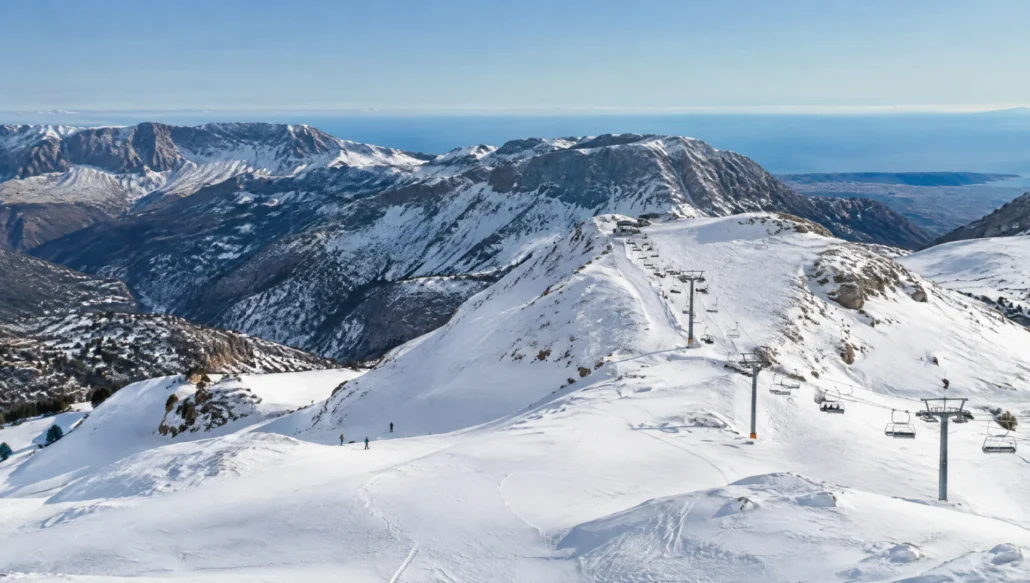
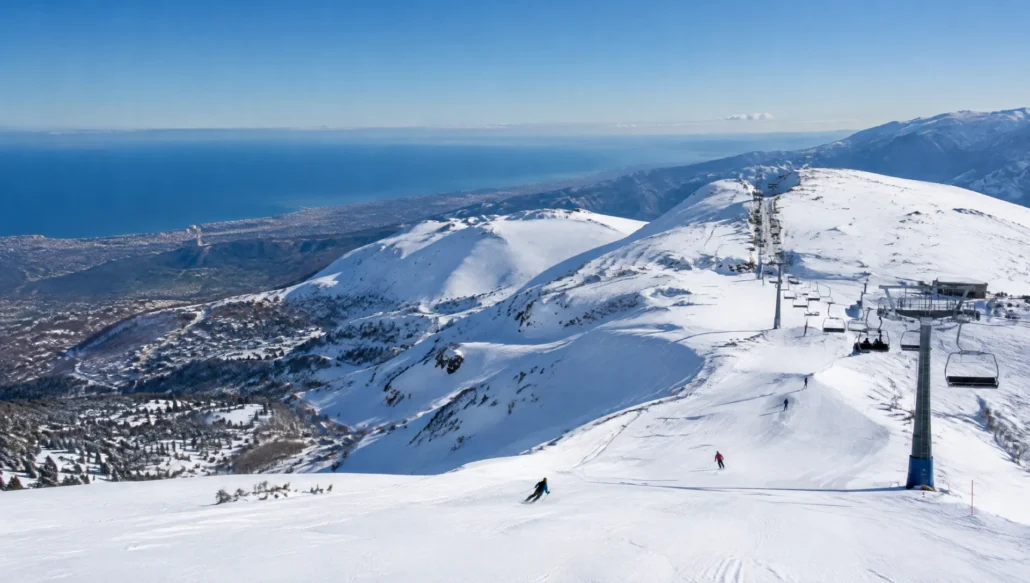
Faraya is a mountain village in Keserwan, about 45 km north-east of Beirut, spread between roughly 1,200 and 2,000 metres on the slopes below Mount Sannine. Just above it, in the municipality of Kfardebian, sits Mzaar, the largest ski area in Lebanon. Together they make the country’s classic winter escape: an hour from the beach, you can be on a chairlift looking down at the sea.
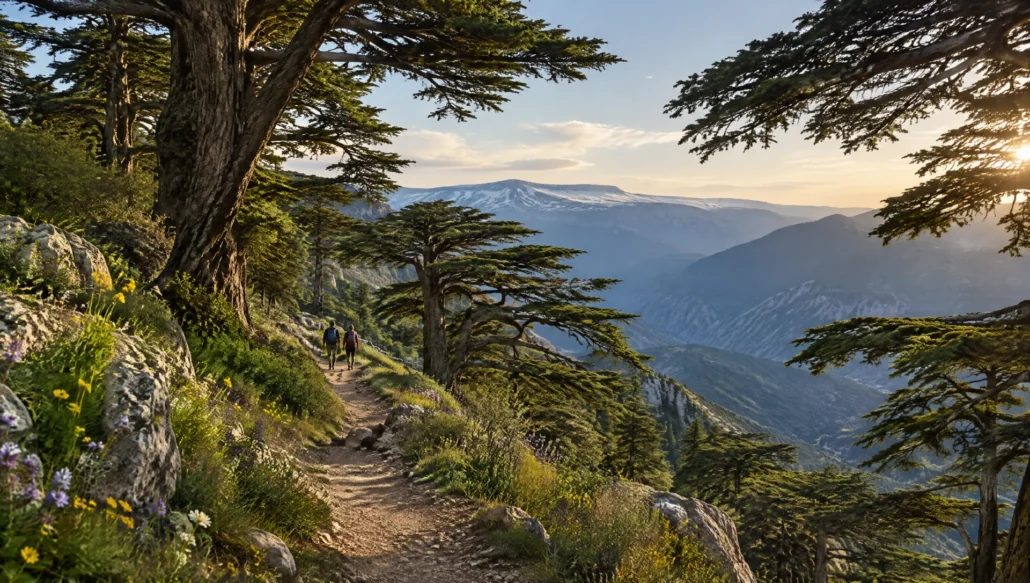
Faraya is not only a winter place. When the snow melts, the same mountain opens up for hiking, mountain biking and some of the most interesting Roman ruins in Mount Lebanon, plus a natural stone bridge and a waterfall that only runs in spring.
What to see and do
Skiing at Mzaar Kfardebian
Mzaar’s first ski lift went up in 1960, and the resort has grown into a network of slopes across connected sectors, Refuge, Jonction and Wardeh among them, between about 1,850 and 2,465 metres. The top of Mzaar, at 2,465 metres, offers views over the Bekaa on one side and the coast on the other on clear days. The season usually runs from December to April, depending on snowfall. There are gentle slopes for beginners near the base and longer, steeper runs higher up.
Summer on the mountain
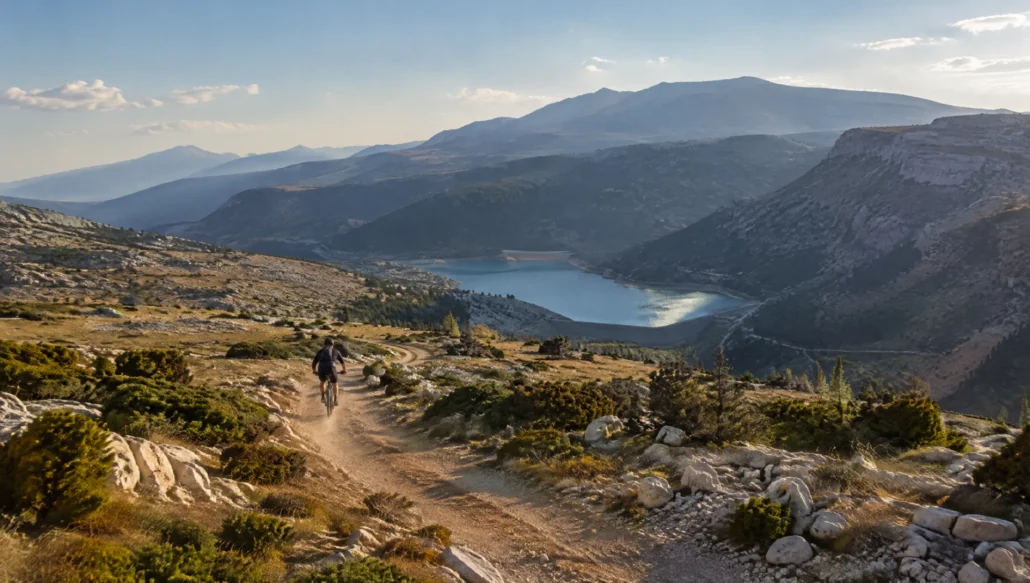
Outside the ski season, the resort promotes mountain bike trails, ridge hikes and ziplines. The high pastures are bright with wildflowers in late spring, and the air at 2,000 metres stays fresh through July and August.
The Faqra natural bridge (Jisr el Hajar)
Between Faraya and Faqra, a limestone arch spans the Nahr el Laban stream at about 1,620 metres. The bridge is roughly 20 metres high and several dozen metres across, carved by water over a very long time. In late winter and spring, snowmelt feeds Nabaa el Laban (the Spring of Milk) below it, and water pours over the cliffs into a broad waterfall. In January and February the area can lie under deep snow, so spring is the best time to see it. Access is by a short gravel road off the Faraya to Faqra road.
Qalaat Faqra: the Roman ruins
At about 1,500 metres in Kfardebian, Qalaat Faqra is the largest Roman archaeological site in Mount Lebanon. It was built in the 1st and 2nd centuries CE and abandoned in the 4th. You can walk among columns, altars and temples, including a large sanctuary associated with Adonis. The most striking monument is the so-called Claudius Tower, a massive square structure with inscriptions recording its renovation under Emperor Claudius in 43 to 44 CE. A Byzantine basilica was later built beside one of the shrines. The site is open to the public and not crowded, so you may have it largely to yourself.
Saint Charbel statue and Chabrouh Dam
In Faraya itself, a giant statue of Saint Charbel, inaugurated in 2017 and described as the largest in Lebanon, draws pilgrims from across the country. Above the village, the Chabrouh Dam, inaugurated in 2007, holds one of the highest reservoirs in the region, a calm lake framed by bare limestone peaks.
A suggested day
Morning
In winter, be at Mzaar when the lifts open, as weekend traffic up from the coast builds fast. In summer, start with a walk or bike ride on the high trails while it is still cool.
Afternoon
After lunch, drive down to the natural bridge and on to Qalaat Faqra. Both are a few minutes apart, and an hour is enough for each. In spring, time your visit to the bridge for the afternoon, when the light falls on the waterfall.
Evening
Stop at the Saint Charbel statue on the way down, or stay up the mountain for dinner and a quiet night. Faraya’s restaurants and chalets are at their busiest on ski weekends, so book ahead.
Where to eat, drink and stay
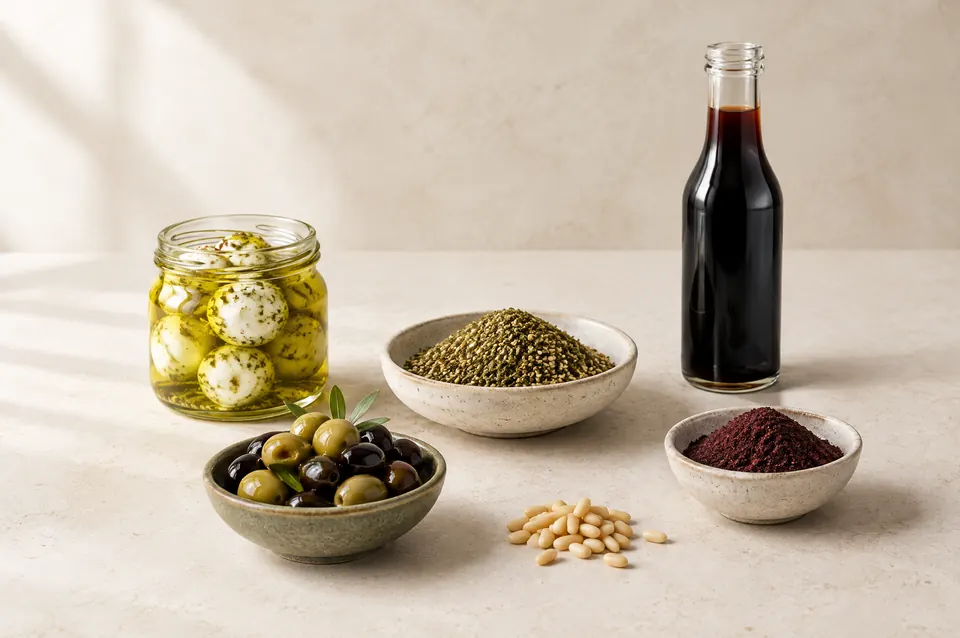
For wine made on these very slopes, visit Château Fakra, whose vineyards sit in the heights of Kfardebian and Faqra. To sleep near the slopes, Monte Cassino Boutique Hotel in Kfardebian combines rooms with nightlife. Faraya’s village restaurants serve hearty mountain food after a day outdoors: kibbeh, grilled meat, mezze and hot soups in winter. On the way up from the coast, Ajaltoun is home to Ayadina, a good stop for jams and preserves to bring home.
Practical tips
- The usual route from Beirut takes the coastal highway north, exits at Ajaltoun and follows signs to Faraya. Allow about an hour without traffic, much more on snowy weekends.
- In winter, carry snow chains or check road conditions before leaving. The road above Faraya can close after heavy snowfall.
- Ski and snowboard rental shops line the road through Faraya. Compare a few before renting.
- Sun at altitude is strong, even in January. Bring sunscreen and sunglasses.
- The natural bridge and Faqra ruins have uneven ground, so wear sturdy shoes.
- Check current travel advice before your trip.
Nearby
Elsewhere in Keserwan, the Jabal Moussa Biosphere Reserve offers forest trails above Ghbaleh. For more snow ideas, see our guide to the best spots for skiing in Lebanon, and for summer rides, the best mountain bike trails in Lebanon.