Jounieh Bay Travel Guide: Harissa, the Souk and Where to Eat
A curved bay north of Beirut where you can ride a cable car to a hilltop shrine, eat fish by the port and watch the lights come on at night.
- Region
- Keserwan, Mount Lebanon
- Time needed
- One full day
- Best time to visit
- April to June, September to November
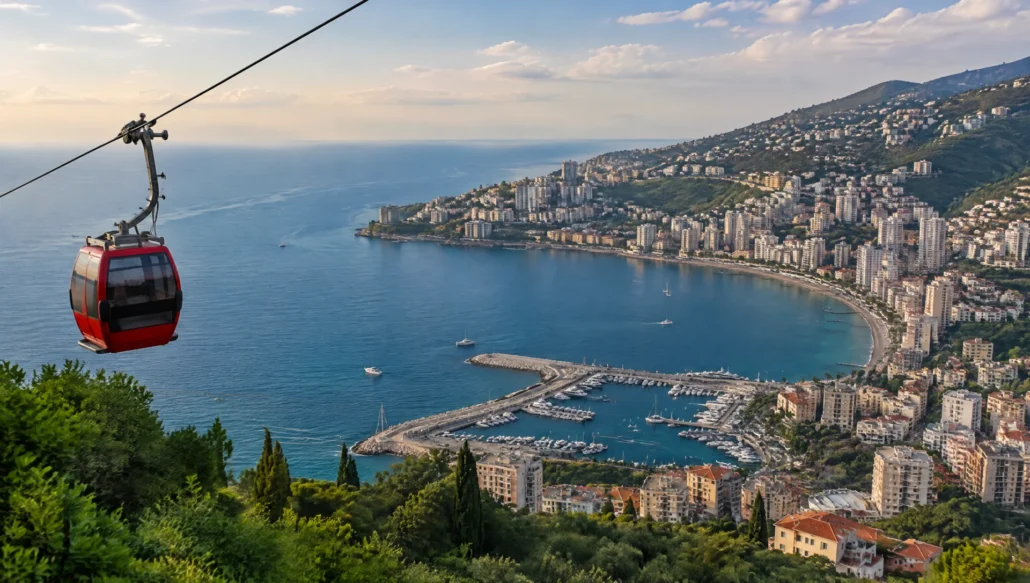
Jounieh sits on a deep, curved bay about 16 km north of Beirut, in the Keserwan district. The town climbs straight up from the water, so in one day you can swim or eat fish at sea level, ride a cable car to a hilltop shrine, and finish with dinner overlooking the lights of the whole bay. It is an easy base for Jeita, Byblos and the Keserwan mountains, and a good trip in its own right.
The bay is lined with neighbourhoods that run into one another: Kaslik with its seafront and university, Sarba and Haret Sakher on the slopes, the old stone souk near the port, and Maameltein to the north, home to Casino du Liban. Above it all stands the white statue of Our Lady of Lebanon at Harissa.
What to see
The Téléphérique and Harissa
The Téléphérique is the classic way up. The gondola line, founded in 1965, runs about 1.5 km from the bay to the shrine at Harissa, and the ride takes roughly nine minutes. The little cabins pass close over rooftops and pine trees, and the view of the bay opens up as you climb. Children love it, and it saves you the winding road.
At the top is the shrine of Our Lady of Lebanon (Saydet Lebnan). The bronze statue of the Virgin, painted white and about 8.5 m tall, was put up in 1907 and inaugurated in 1908. A spiral stair wraps around the base so you can climb to her feet for the widest view over Jounieh. Next to it is the modern concrete basilica where Pope John Paul II celebrated Mass in 1997. The site is a working pilgrimage place for Maronites and many other Lebanese, Christian and Muslim alike, so expect families lighting candles, especially in May, the month of Mary.
The old souk
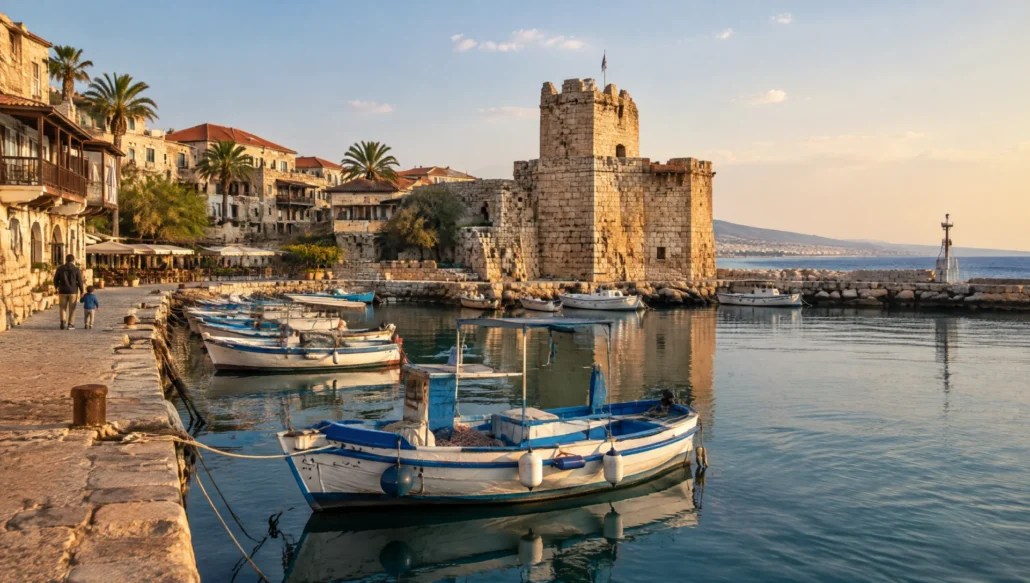
Jounieh’s old souk is a short stone street of arched shopfronts near the port, quieter than the souks of Byblos or Tripoli. Walk it in the late afternoon, when the shops are open and the light is soft, and stop for a coffee or a sweet. It is the part of town that still feels like the fishing village Jounieh was before the highway arrived.
The bay and the port
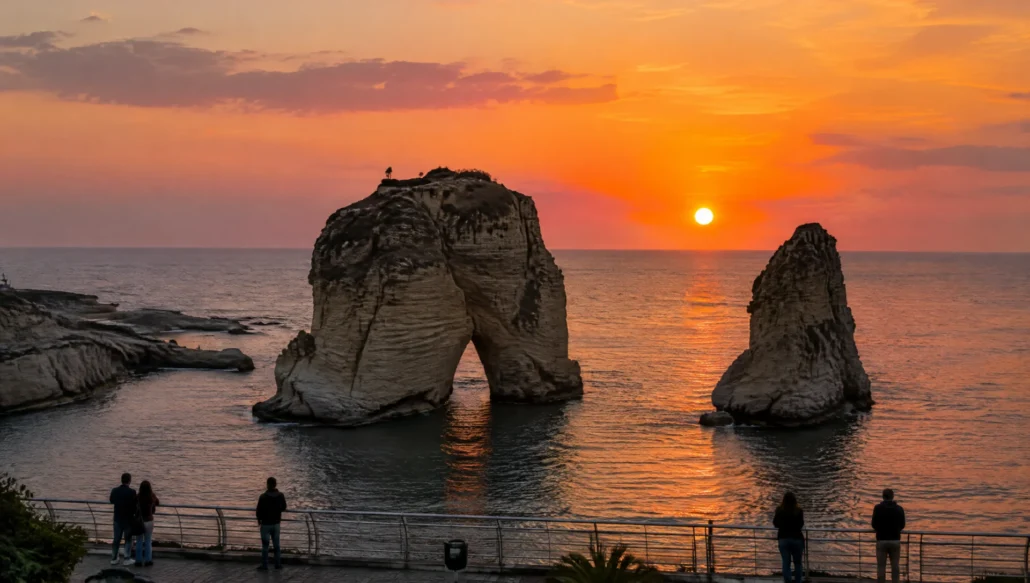
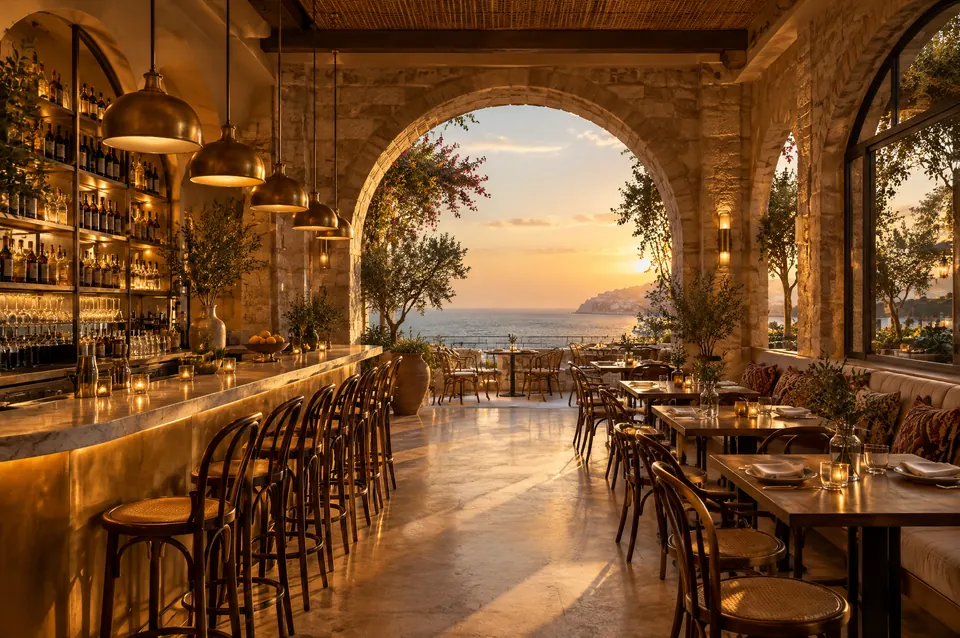
The seafront road follows the curve of the bay, with fishing boats, small marinas and seafood restaurants along the way. Boat trips leave from the port in summer for an hour on the water and a view of Harissa from below. In the evening the whole bay lights up, and the view from any terrace in Sarba or Ghadir is worth the climb.
Casino du Liban
Casino du Liban opened in December 1959 on a rocky hill at Maameltein, at the northern end of the bay. Beyond the gaming rooms it has long been a stage for big shows and concerts. Even if you do not gamble, the drive past it and the views back toward Jounieh are part of the bay’s story.
A suggested day
Morning
Start early at Jeita Grotto, about 20 minutes inland up the Nahr al-Kalb valley. Discovered in 1836, it has an upper gallery you walk through, full of stalactites and stalagmites, and a lower cave visited by boat. Photography is not allowed inside, so enjoy it with your eyes. Arriving at opening time means shorter queues.
Afternoon
Drive back down to the bay and take the Téléphérique up to Harissa. Spend an hour at the shrine, then ride down and have a late seafood lunch by the water. Afterwards, walk the old souk and pick up a booza from Awad Ice Cream, the Keserwan booza maker from nearby Ghazir known for ashta with crushed pistachios.
Evening
Head up to a terrace on the slopes for sunset over the bay. In July and August, check the programme of the Jounieh International Festival, which has brought big international acts to the seafront. Otherwise, a long mezze dinner with arak while the lights come on is the local way to end the day.
Where to eat and what to take home
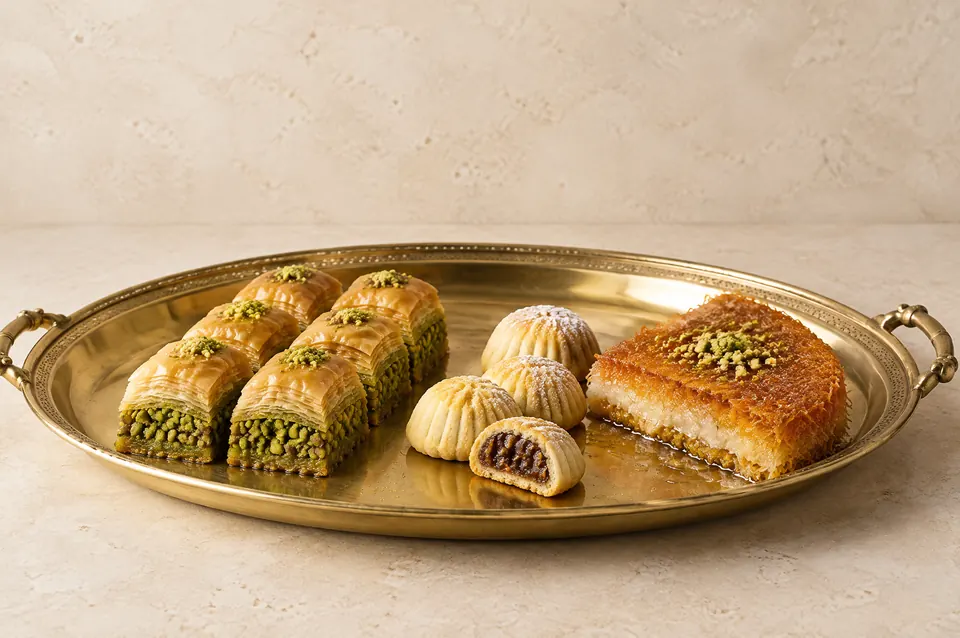
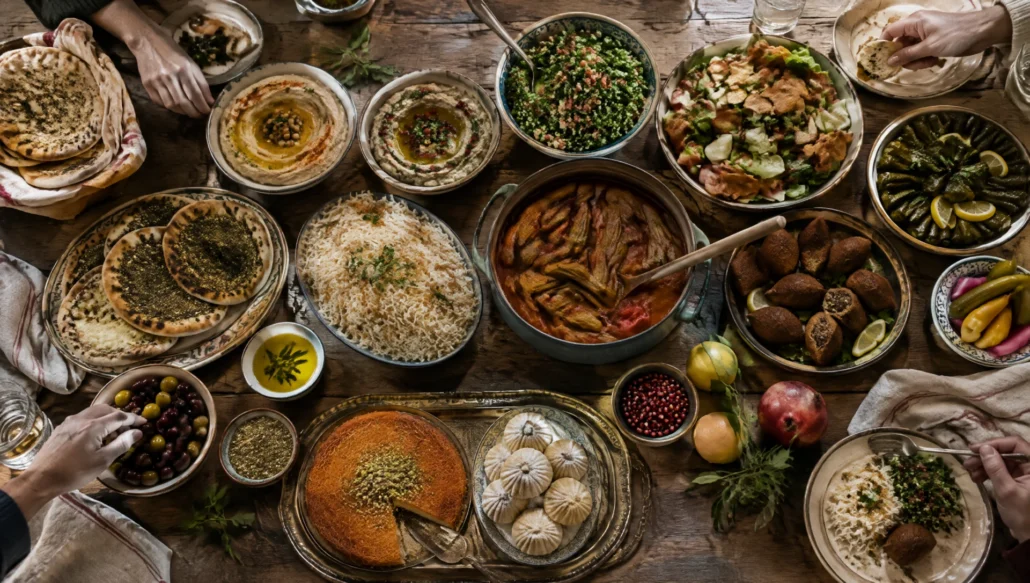
Jounieh is a fish town. Look for places along the bay that show you the day’s catch and grill or fry it to order, served with tahini sauce, fried bread and a full mezze. Inland, the villages of Keserwan are known for mountain cooking and pastries.
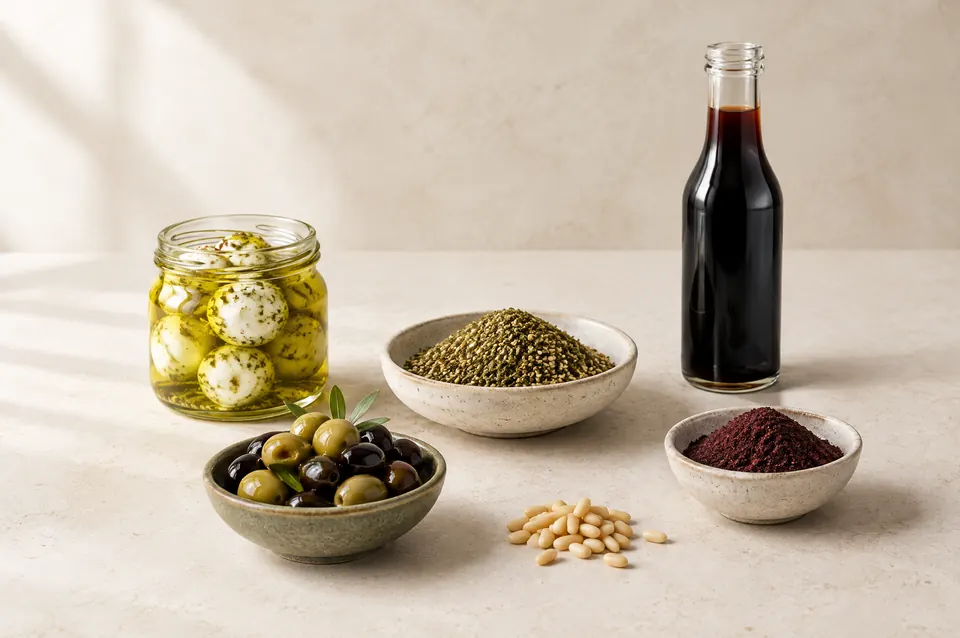
For food to take home, Zeit Boulos is a family olive oil house from Jounieh that has grown into a full Lebanese pantry range, from extra virgin oil to za’atar, sumac and pomegranate molasses. Moulin d’Or, which began baking pita in Ajaltoun in 1984, is the Keserwan name for breads and pastries.
Practical tips
- Traffic on the coastal highway can turn a 20 minute drive from Beirut into an hour. Leave early in the morning or travel outside rush hours.
- Dress modestly at Harissa and in churches: shoulders and knees covered.
- Bring cash in small notes for the Téléphérique, parking and souk shops, as card acceptance is uneven.
- Summer is hot and humid at sea level. Plan the shrine and the souk for the morning or late afternoon.
- Agree on the fare before getting in a taxi, or use a ride app where available.
Nearby
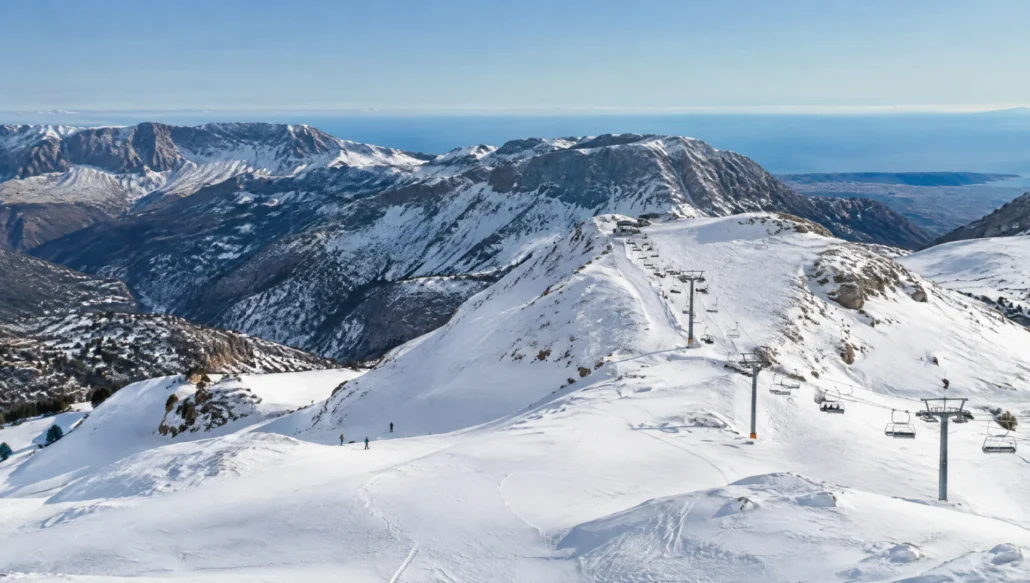
Byblos is about half an hour north along the coast, with its Crusader castle, harbour and old souk; see our Byblos day trip guide. Inland, the Jabal Moussa Biosphere Reserve has marked trails, Roman stairs and village guesthouses, and the hiking club Vamos Todos, based in Jounieh, runs weekly outings into the mountains. If you want a quiet night above the coast, Beit Trad is a family stone house turned guesthouse in Kfour, with homemade meals. In winter, the ski slopes of Faraya Mzaar are about an hour’s drive up the mountain.