


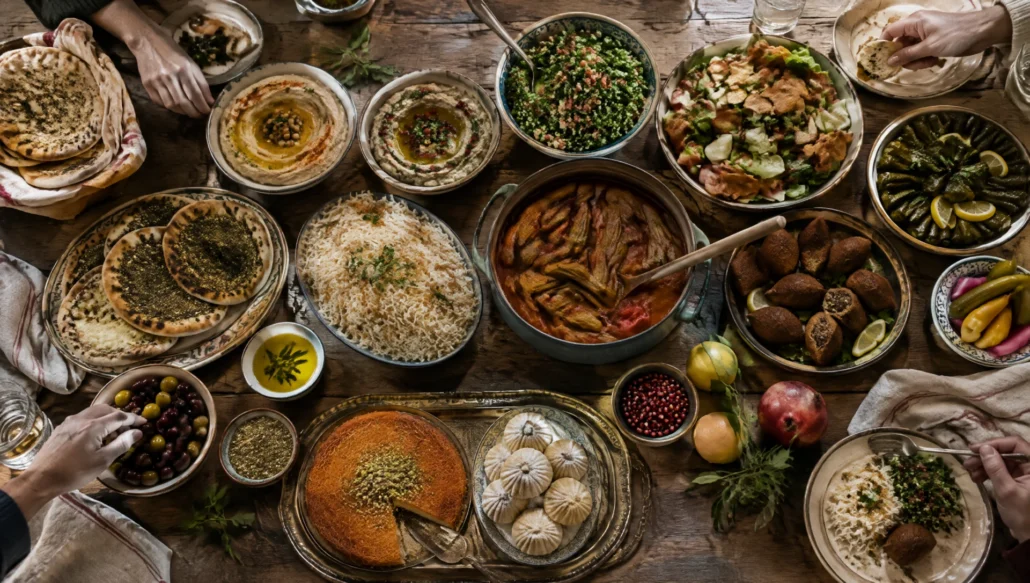
How to Make Sayadieh (Lebanese Fish and Caramelized Onion Rice)
The fisherman’s dish of Tyre, Saida and Batroun: tender white fish on rice that gets its deep brown color and flavor from slowly caramelized onions.
- Prep time
- 20 minutes
- Cook time
- 1 hour
- Serves
- 4
- Difficulty
- Medium
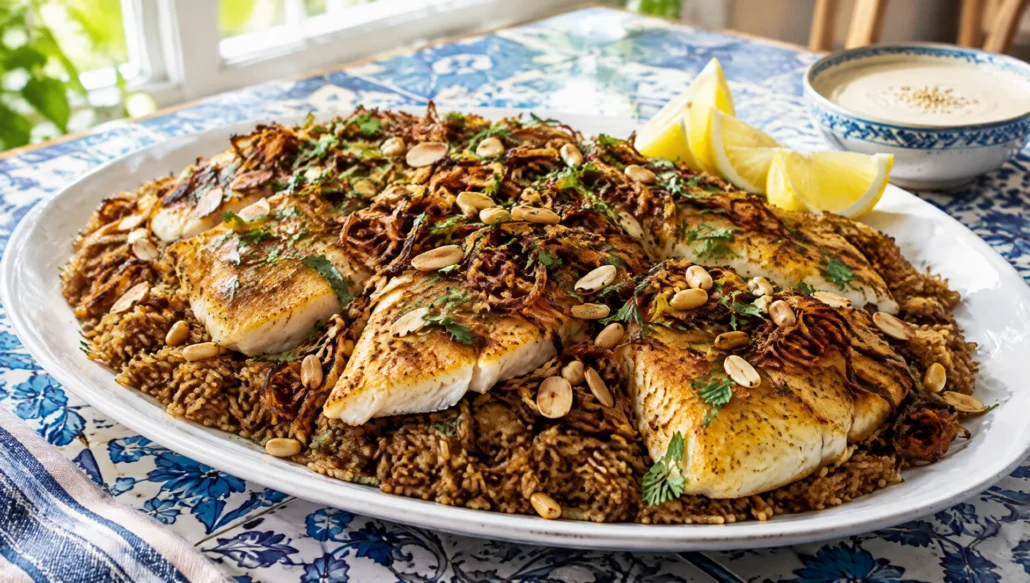
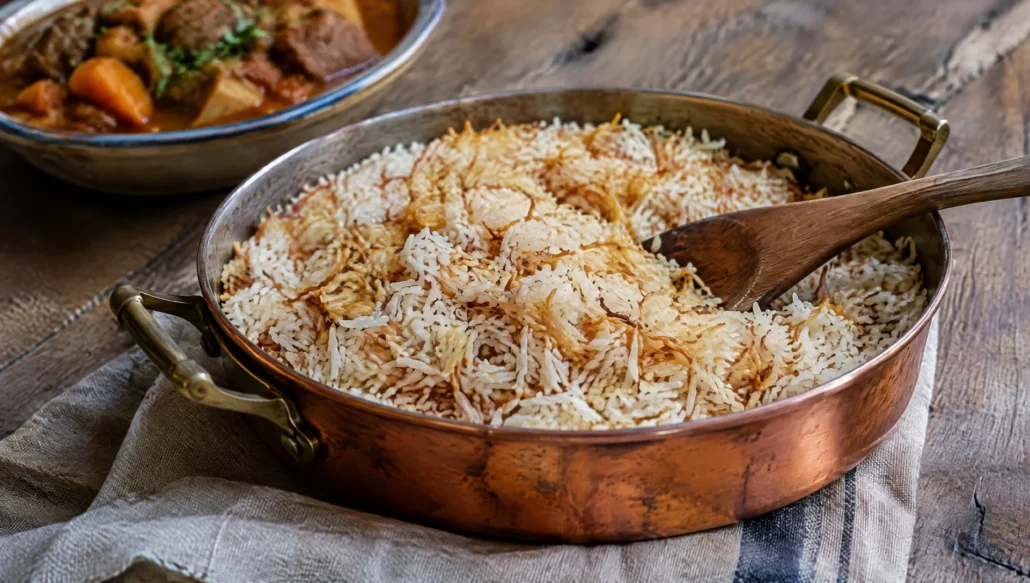
Sayadieh (sayadiyeh) takes its name from sayyad, the Arabic word for fisherman. It is the signature dish of Lebanon’s coastal towns, from Tyre and Saida in the south to Batroun and Tripoli in the north: fried or baked white fish served over rice that has been cooked in a broth of deeply caramelized onions. The onions give the rice its brown color and a sweet, savory depth, and cumin ties everything to the fish.
Families make it for Friday lunch and festive gatherings, often with whole fish and a stock made from the heads and bones. This version uses fillets for ease but keeps the step that matters most: cooking the onions slowly until they are a rich mahogany brown, then turning them into the broth for the rice.
Ingredients
For the onion broth and rice
- 120 ml (½ cup) vegetable or olive oil
- 3 large yellow onions (about 600 g / 1⅓ lb), thinly sliced
- 750 ml (3 cups) water or fish stock
- 300 g (1½ cups) basmati rice, rinsed and soaked 20 minutes
- 1½ tsp ground cumin, divided
- ½ tsp ground allspice
- ¼ tsp ground cinnamon
- 1½ tsp salt, or to taste
For the fish
- 700 g (1½ lb) firm white fish fillets (sea bass, grouper, cod or hake), cut into 4 to 6 pieces
- ½ tsp salt
- 2 tbsp (15 g) all-purpose flour
- 3 tbsp (45 ml) oil for pan frying
To serve
- 30 g (¼ cup) pine nuts and 30 g (¼ cup) slivered almonds, toasted in a little oil
- Chopped parsley and lemon wedges
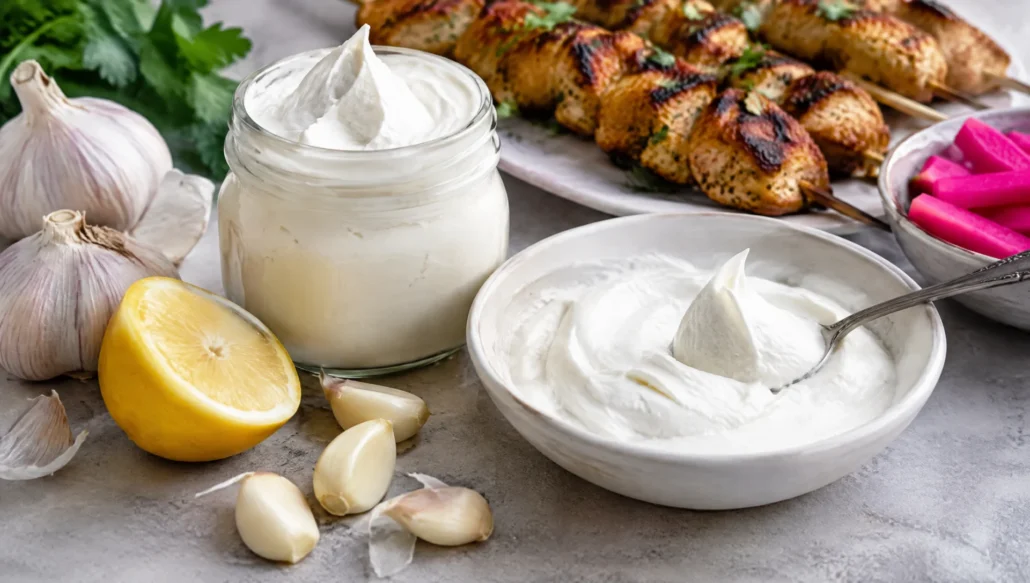
- Tarator: 60 g (¼ cup) tahini, juice of 1 lemon, 1 small garlic clove crushed, 60 ml (¼ cup) water, salt
Instructions
- Heat the oil in a wide, heavy pot over medium heat. Add the onions with a pinch of salt and cook, stirring often, for 25 to 30 minutes, until deep mahogany brown and crisp at the edges. Lower the heat if they darken too fast. They must not turn black.
- Lift out a large handful of the crispiest onions with a slotted spoon and set aside on paper towel for garnish.
- Carefully pour the water or stock into the pot with the remaining onions (it will sputter). Simmer for 10 minutes, then blend with a stick blender until smooth, or strain through a sieve, pressing on the onions. You should have about 600 ml (2½ cups) of dark broth. Top up with water if needed.
- Drain the rice. Add it to the pot with the broth, 1 tsp cumin, the allspice, cinnamon and salt. Bring to a boil over high heat.
- Cover tightly, reduce the heat to low and cook for 15 minutes. Turn off the heat and rest, covered, for 10 minutes.
- While the rice cooks, pat the fish dry, season with the salt and the remaining ½ tsp cumin, and dust lightly with flour.
- Heat 3 tablespoons of oil in a non-stick frying pan over medium-high heat. Fry the fish for 3 to 4 minutes per side, depending on thickness, until golden and just opaque in the center.
- Whisk the tahini, lemon juice, garlic and salt, then add water a little at a time until it is smooth and pourable.
- Spread the rice on a warm platter, arrange the fish on top and scatter with the reserved onions, pine nuts, almonds and parsley. Serve with tarator and lemon on the side.
Tips for the best sayadieh
- Patience with the onions. Pale onions give pale, bland rice.
- Use a firm fish that will not fall apart when fried.
- If you buy whole fish, simmer the heads and bones in 1 liter of water with a bay leaf for 20 minutes and use that stock for the broth.
- Toast the nuts just before serving so they stay crunchy.
Variations
- Baked fish: brush the seasoned fillets with oil and bake at 200°C (400°F) for 12 to 15 minutes instead of frying.
- Layered pot: some families layer fried fish and rice in the pot, cook them together, then flip the pot onto a platter like maqluba.
How to serve and store
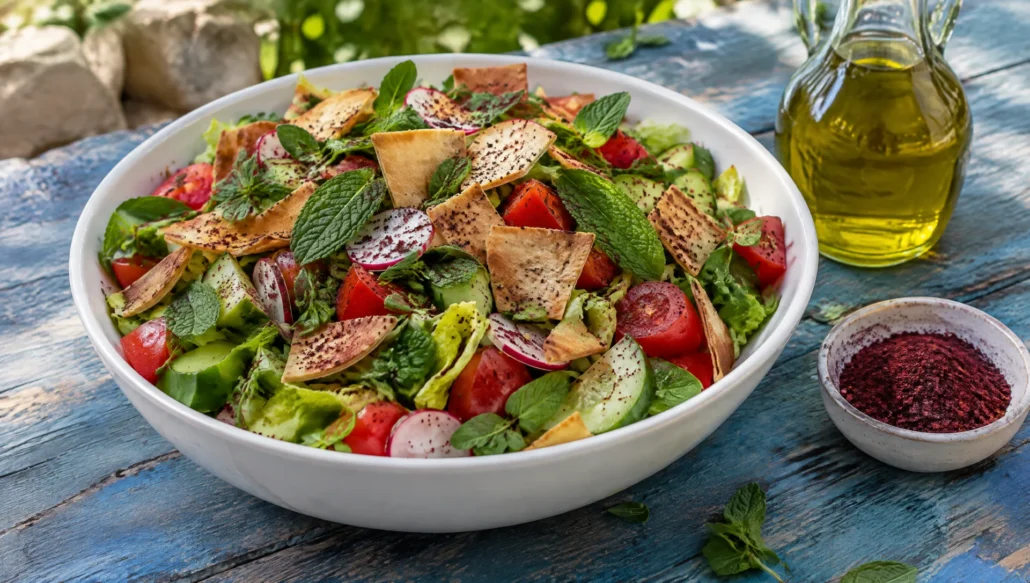
Serve hot with tarator, a simple tomato and cucumber salad or fattoush. Leftover rice and fish keep 2 days in the fridge, stored separately. Reheat the rice covered with a splash of water.
The tahini for tarator matters: Al Yaman Factories in Saida, on the same coast as sayadieh, has been grinding it for generations. For the nuts, Terroirs du Liban sells Lebanese pine nuts.