

Barouk Cedars Guide: Hiking the Cedars of Lebanon in the Shouf
More than 400 hectares of cedars on the Chouf ridge, some of them around 2,000 years old. This is where to walk among Lebanon’s national tree.
- Region
- Shouf, Mount Lebanon
- Time needed
- Half a day to a full day
- Best time to visit
- May to October; snowshoeing in winter
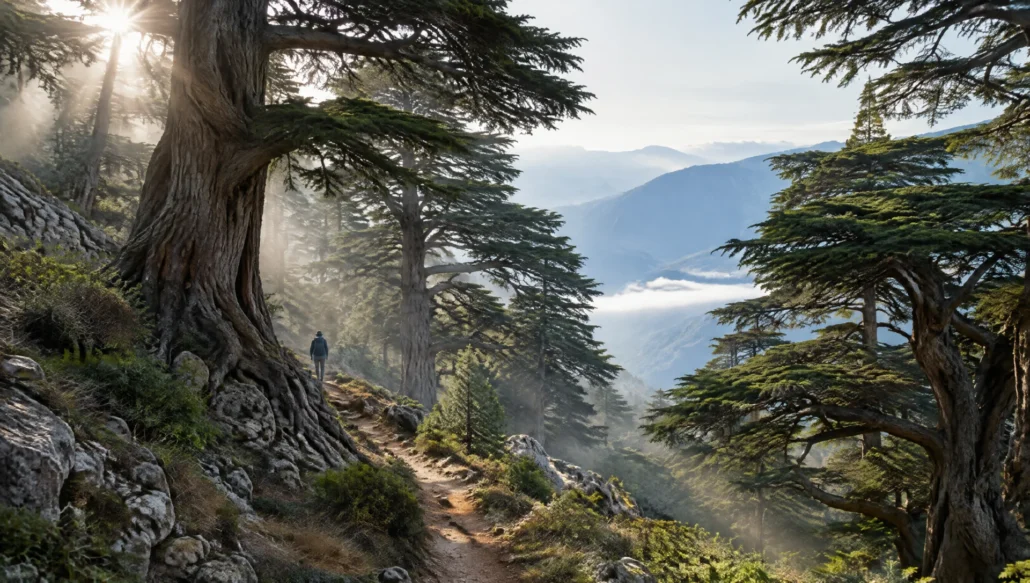
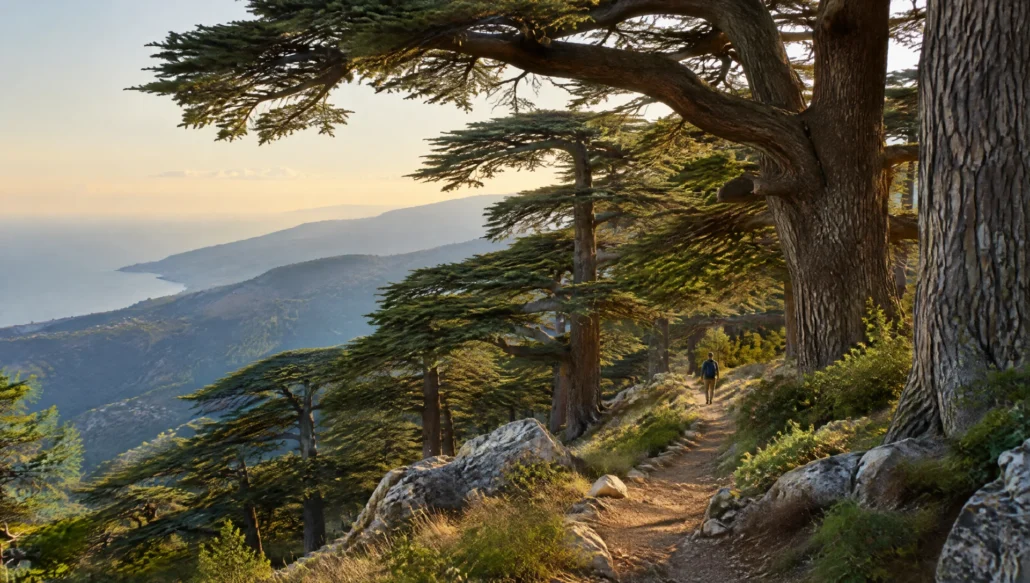
The Barouk cedar forest is the largest of the three cedar forests protected by the Shouf Biosphere Reserve, Lebanon’s biggest nature reserve, on the high ridge of the Chouf mountains southeast of Beirut. Its entrance, about 2 km from the centre of Barouk village, opens onto more than 400 hectares of cedars of Lebanon (Cedrus libani), the tree on the national flag.
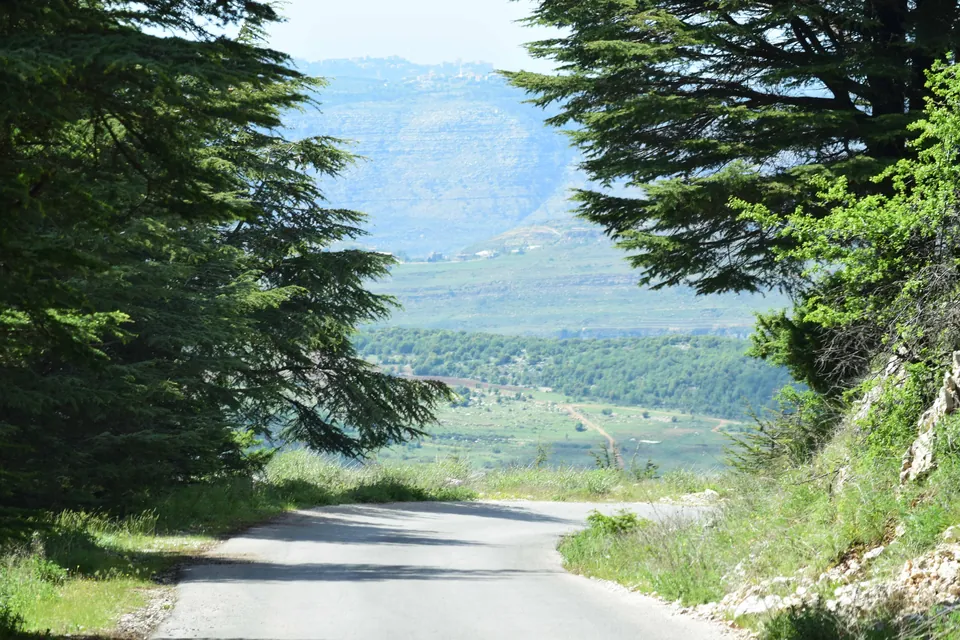
Together with the forests of Maasser el Shouf and Ain Zhalta and Bmohray, Barouk holds about a quarter of the cedar forest left in Lebanon, and some trees in the reserve are estimated to be around 2,000 years old. Unlike the small grove at the Cedars of God in the north, this is a real forest you can walk through for hours, with wildlife, snow in winter and views on clear days down to the Mediterranean and across to the Bekaa.
What to see
The cedar forest
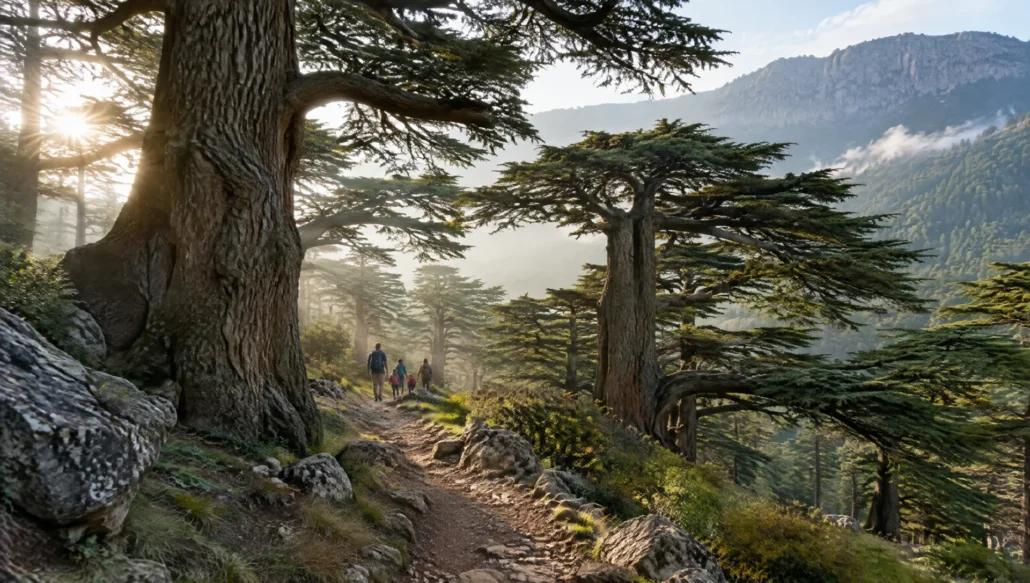
Cedars here grow on the upper slopes at around 1,800 metres, their flat layered branches spreading wide above a floor of rock and needles. Older trees have huge, twisted trunks, while younger stands planted in reforestation programmes fill gaps left by centuries of logging. Walk slowly and look at the shapes: no two old cedars grow the same way.
Hill Lake and the bird blind
Above the entrance, a stone wildlife viewing blind overlooks a small hill lake. It is the best spot in the forest to sit quietly with binoculars. The Shouf lies on a major bird migration route, and the reserve is home to medium sized mammals such as the wolf and the jungle cat, though you are far more likely to see birds and tracks than animals.
Adopt a cedar
At the Barouk entrance you can adopt a cedar to support the reserve’s reforestation work. It is a good way to involve children and leave something behind.
Hiking trails
Several marked and unmarked routes start or pass through Barouk. Choose one that matches your fitness and the season.
- Short forest walks from the entrance: easy paths among the cedars, suitable for families, with the hill lake as a natural turnaround point.
- Barouk and Fraidiss trail: about 20 km, moderate to difficult, 4 to 5 hours, passing the Barouk water source, Dalboun forest and historic sites. Part of it is accessible for people with special needs.
- Lebanon Mountain Trail section 18 (Ain Zhalta to Barouk): rated very difficult, through cedar forest, past a guard hut and the hill lake, with a long stretch on dirt road. It also works for mountain biking.
- Lebanon Mountain Trail section 19 (Barouk to Maasser el Shouf): about 14 km, with over 1,000 metres of climbing going north to south through the Masyaf el Mir forest. The section is not fully marked, so the Lebanon Mountain Trail Association advises walkers to request the GPS track.
For longer routes, book a qualified guide through the reserve office at Maasser el Shouf, or go with a local operator.
A suggested day
Morning
Drive up early and arrive at the Barouk entrance soon after it opens, when the forest is quiet and the light comes through the branches at a low angle. Pick up information at the hut, then walk to the hill lake and the bird blind.
Afternoon
Picnic outside the forest or drive down for a village lunch. In the afternoon, continue south along the ridge road to the Maasser el Shouf cedar forest, home to the famous Lamartine cedar and some of the oldest trees in the reserve.
Evening
Head down to Beiteddine or Deir el Qamar for sunset and dinner, or stay overnight in the hills. Bouyouti in Maasser Beiteddine has stone cottages, gardens and a restaurant, and Beyt El Jabal is a restored house in Deir el Qamar.
Where to eat and what to buy
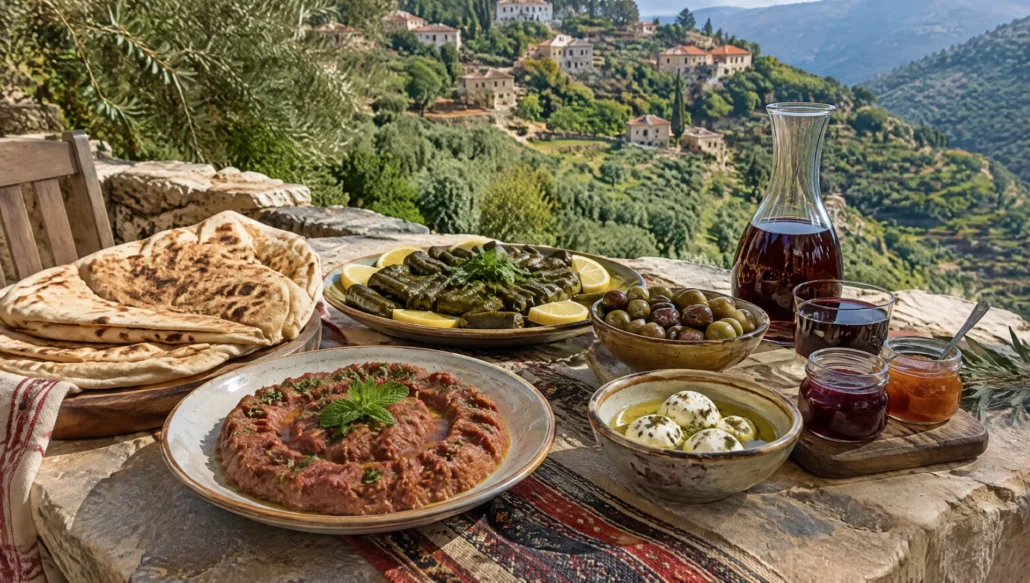
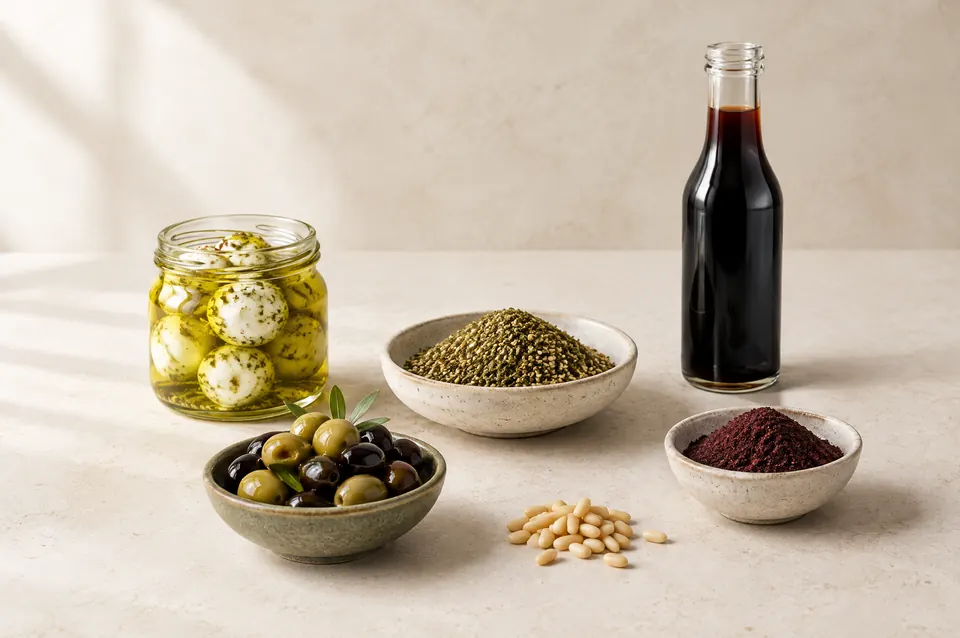
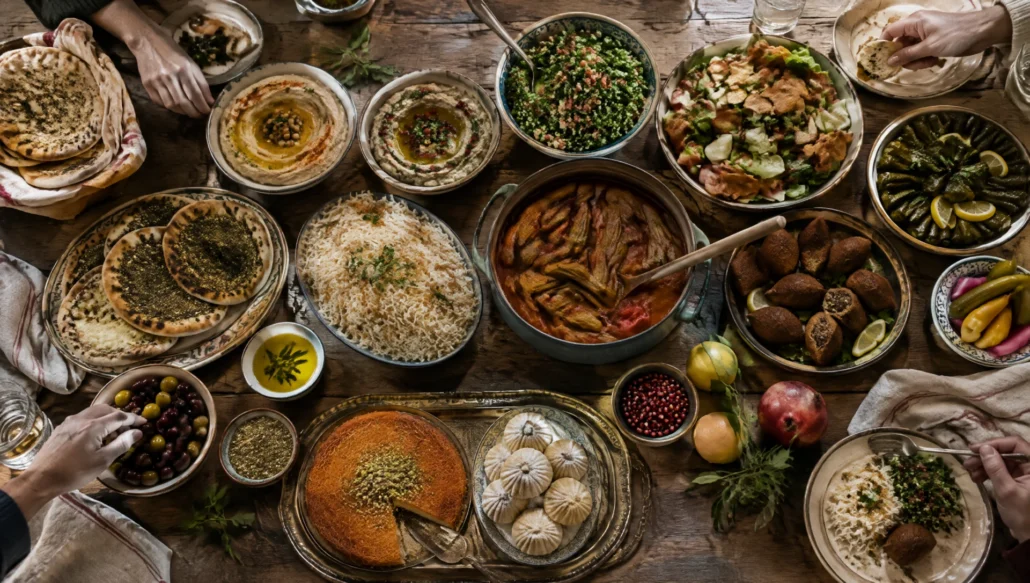
Barouk and the surrounding villages are known for mountain cooking: saj bread from roadside stands, kibbeh, mezze and grills. The village is also famous across Lebanon for its spring water. To take the forest home, look for cedar honey from Asalli, which keeps hives among the Barouk cedars, and za’atar and sumac from Mountain Boons, grown in Al Barouk. The reserve gift shop at the entrance also sells local products.
Practical tips
- Bring layers. At this altitude it can be 10°C (18°F) cooler than Beirut, and fog can roll in quickly.
- Wear proper walking shoes. Paths are rocky, and loose stones are common.
- Winter brings snow from roughly December to March. Snowshoeing is popular, but some roads close after heavy storms.
- Stay on the paths, take your rubbish with you and do not light fires. Pets and other rules are listed in the reserve’s visitor guidelines.
- There is an entrance fee at the forest gates, and opening times vary by season, so check with the reserve before you go.
Nearby
Combine the cedars with Beiteddine Palace and the old town of Deir el Qamar, both about 30 minutes away (see our Chouf food guide). At the southern end of the reserve, the Niha entrance leads on foot to a medieval fortress overlooking the Bisri valley. For more cedars, compare with our Tannourine cedar forest guide in the north.