


Maasser el Chouf: Cedar Forest, Village and Shouf Reserve Guide
Old cedars on the mountain, a stone village below and the headquarters of Lebanon’s largest nature reserve: Maasser el Chouf is a full day in the Chouf.
- Region
- Chouf, Mount Lebanon
- Time needed
- Half a day to a full day
- Best time to visit
- May to November
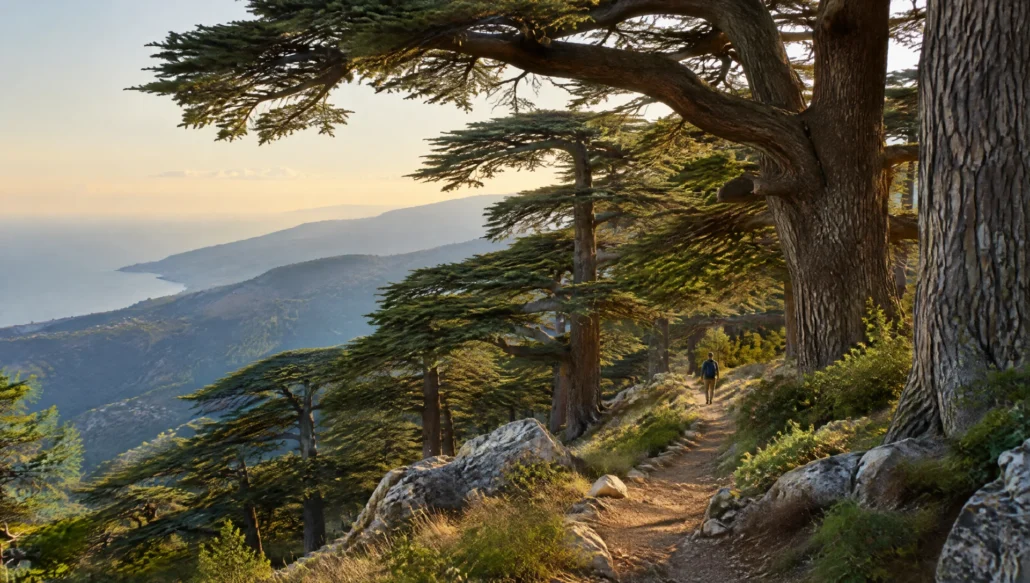
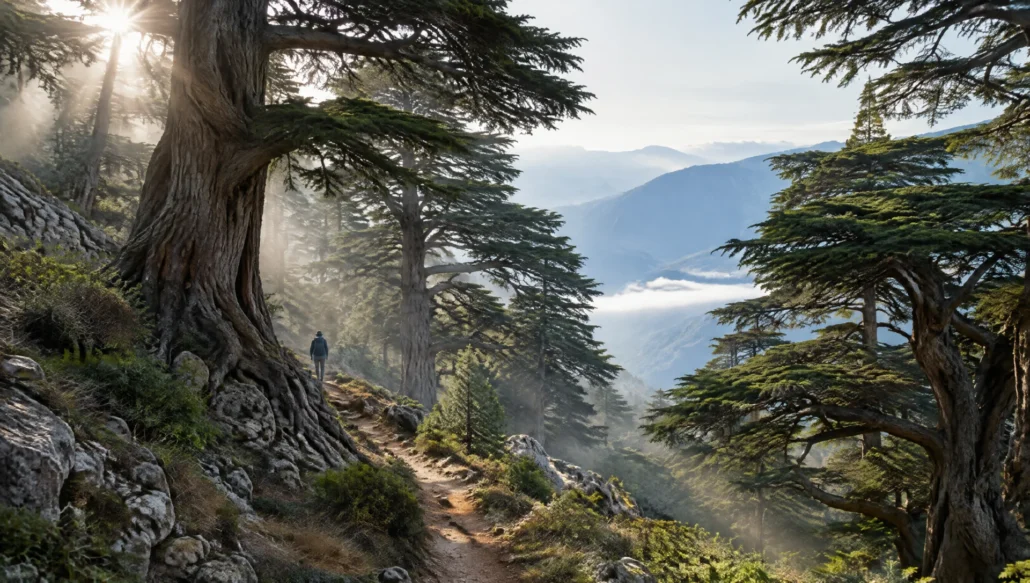
Maasser el Chouf (also written Maasser el Shouf or Ma’asser ech Chouf) is a stone village high in the Chouf mountains, about 57 km southeast of Beirut, spread between roughly 1,200 and 1,950 metres. Most people come for one reason: above the village is the Maasser cedar forest, one of the main entrances to the Shouf Biosphere Reserve and home to some of the oldest and most impressive cedars in Lebanon.
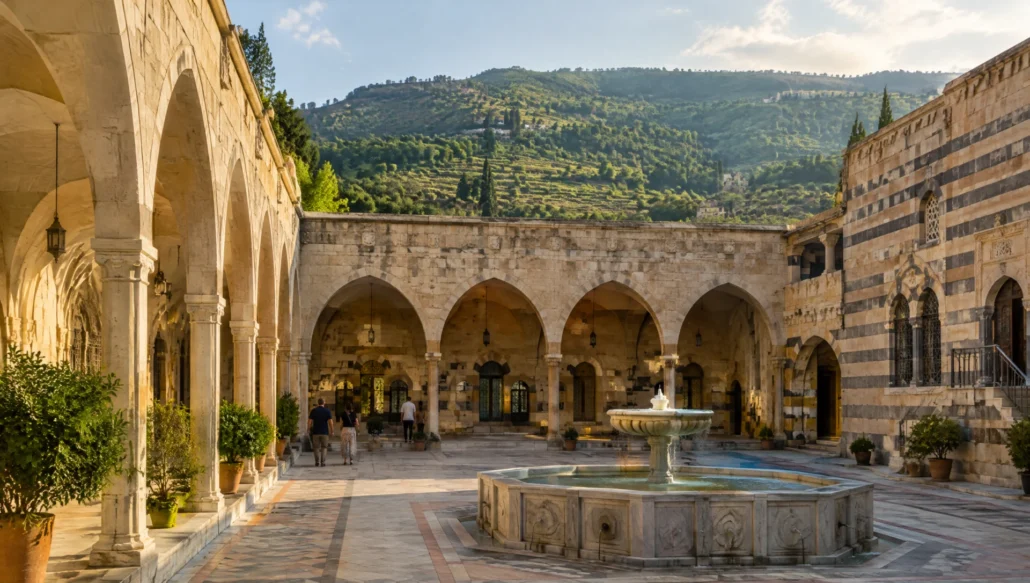
The village itself deserves more time than most visitors give it. It has an old square, a 19th century church, Roman-era tombs, a watermill and an Ottoman bridge, and it houses the reserve’s headquarters. Put the forest and the village together and you have a full, unhurried day in the mountains.
The Shouf Biosphere Reserve in brief
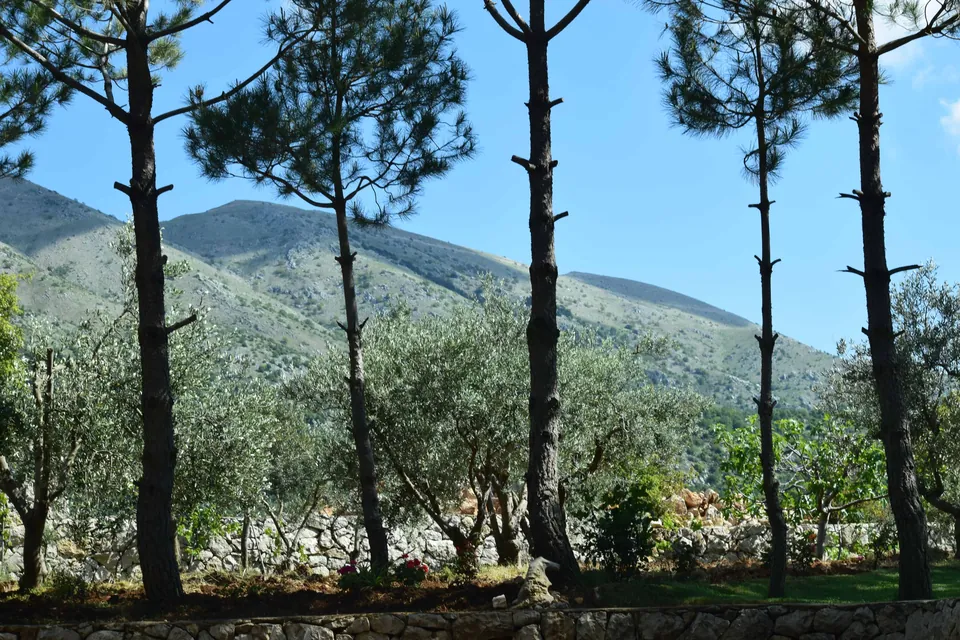
The reserve is Lebanon’s largest protected area, covering around 500 square kilometres along the Barouk mountain range, or about 5 percent of the country. It includes the Al-Shouf Cedar Reserve and the Ammiq wetland in the Bekaa, and it reaches across more than twenty villages. Its cedar stands are split into three main forests: Maasser, Barouk and Ain Zhalta-Bmohray. Our Barouk cedars guide covers the second of these.
The reserve is run from the Park House, a restored traditional house on the Maasser village square facing the public garden. It is the place to ask about guides, trails and current conditions. You can also find the reserve’s listing on Made in Liban: Shouf Biosphere Reserve.
What to see
The Maasser cedar forest
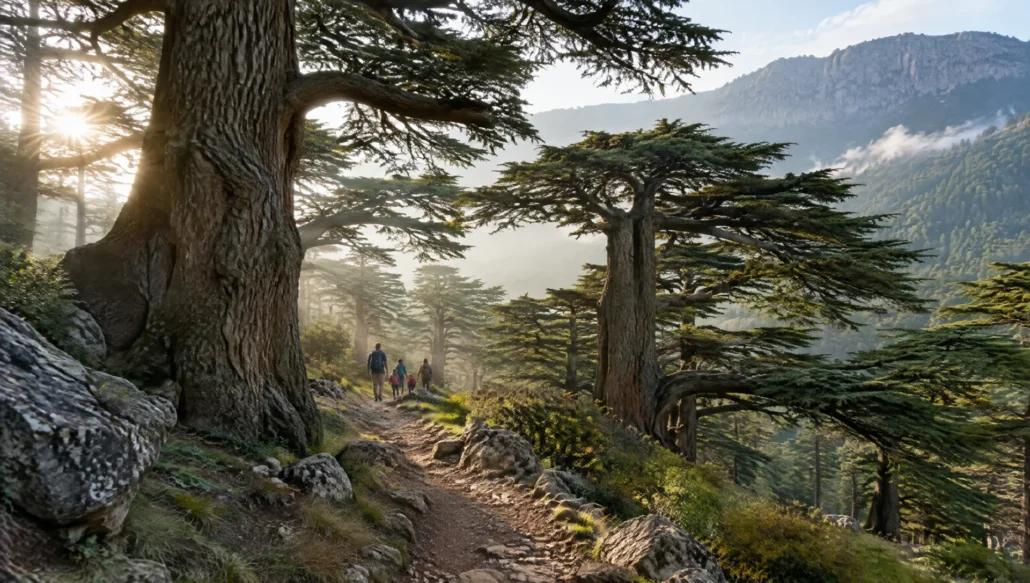
The Maasser entrance protects a forest of about 16 hectares of old cedars on the high slopes above the village. A wooden hut at the gate has information, restrooms and a small shop selling organic products and souvenirs. From there, several self-guided paths loop between the trees, and qualified guides are available for longer walks. The upper slopes open onto views west towards the coast; on a clear day from the 1,940 metre summit area you can see east over the Bekaa to Qaraoun lake and west to the Mediterranean.
The reserve also runs an Adopt a Cedar programme, where you sponsor a young tree as part of its reforestation work. It makes a good family project and a thoughtful gift.
The old village
Back in Maasser, walk from the square to Saint Michael’s Church (Mar Mikhael), built between 1895 and 1901 on the foundations of an older church. The former convent beside it now works as a guesthouse and community centre. Look out for the old press, known as Al Maassarah, a distillery that ran from the 1930s until 1975 and still holds its large clay jars and millstone; historically, presses like this made wine, arak, vinegar, olive oil and molasses for the village.
Roman tombs, a mill and a bridge
The area called El Hosn holds Roman-era ruins and tombs cut into the rock, part of the evidence that the village has been lived in for well over two thousand years. On the trail towards Moukhtara are the remains of a stone watermill from the late 19th century, and an Ottoman bridge crosses the valley between Maasser and neighbouring Botmeh.
Trails from Maasser
The reserve maintains a network of signed village and forest trails. Two touch Maasser directly:
- Cultural Heritage and Traditions of Maasser el Shouf: about 20 km, around 6 hours, moderate to difficult, linking the village’s heritage sites with the surrounding forest.
- Sustainable Forest Management Trail (Batloun, Barouk, Maasser, Botmeh): about 16 km, around 5 hours, starting from the information centre in Batloun.
For something shorter, stay on the self-guided paths inside the cedar forest. The Lebanon Mountain Trail also crosses the Chouf; the Lebanon Mountain Trail Association can advise on sections near the reserve. For more walks in the area see hiking in the Chouf with family.
A suggested day
Morning
Leave Beirut early and stop at the Park House in Maasser to pick up information. Drive up to the cedar forest entrance and walk the self-guided paths while the air is cool and the light comes through the branches.
Afternoon
Have a picnic or lunch back in the village, then walk between the square, Saint Michael’s Church and the old press. If you have energy, follow the path towards the old mill or the Ottoman bridge to Botmeh.
Evening
Drive back down through Moukhtara and Beiteddine. To stay the night, Bouyouti in Maasser Beiteddine has stone cottages and a restaurant, and Beyt El Jabal offers rooms in a restored stone house in Deir el Qamar.
Local food and products
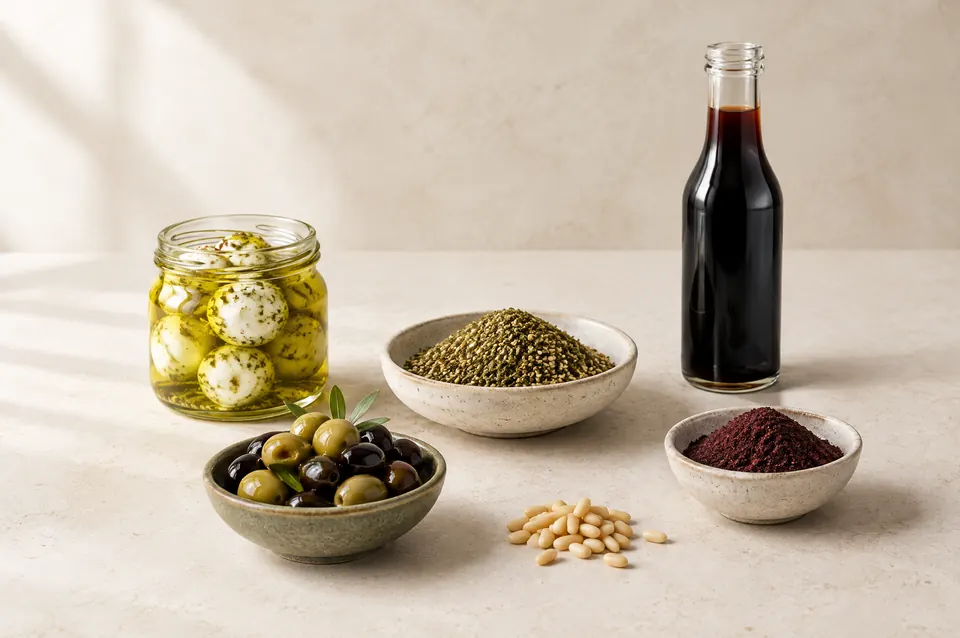
The Chouf is honey and za’atar country. Asalli collects cedar honey from hives in the Barouk, and Mountain Boons grows thyme and sumac in Al Barouk for additive-free za’atar blends. The reserve’s shops sell local products made by village producers, so buying there supports the people who look after the forest. For recipes from the region, see authentic recipes from the Chouf mountains.
Practical tips
- The forest sits high up, so it is several degrees cooler than the coast. Bring a warm layer, even in summer, and good walking shoes.
- Snow usually closes or limits the upper road in winter. Late spring to autumn is the easiest time.
- Entry fees and opening hours change, so check the reserve’s visitor pages before going.
- Stay on marked paths, do not light fires and take your rubbish with you.
- At the time of writing, the UK government advises against all but essential travel south of the road through Moukhtara and Maasser el Chouf. Check current advice before you plan.
Nearby
The Barouk and Ain Zhalta-Bmohray cedar forests are the reserve’s other two big cedar entrances, and the Niha entrance leads to a medieval fortress. Lower down, the Beiteddine palace and the old town of Deir el Qamar are an easy stop on the way back; see our Beiteddine village guide. Near Baakline, Bkerzay is an eco-village with a pottery workshop.