


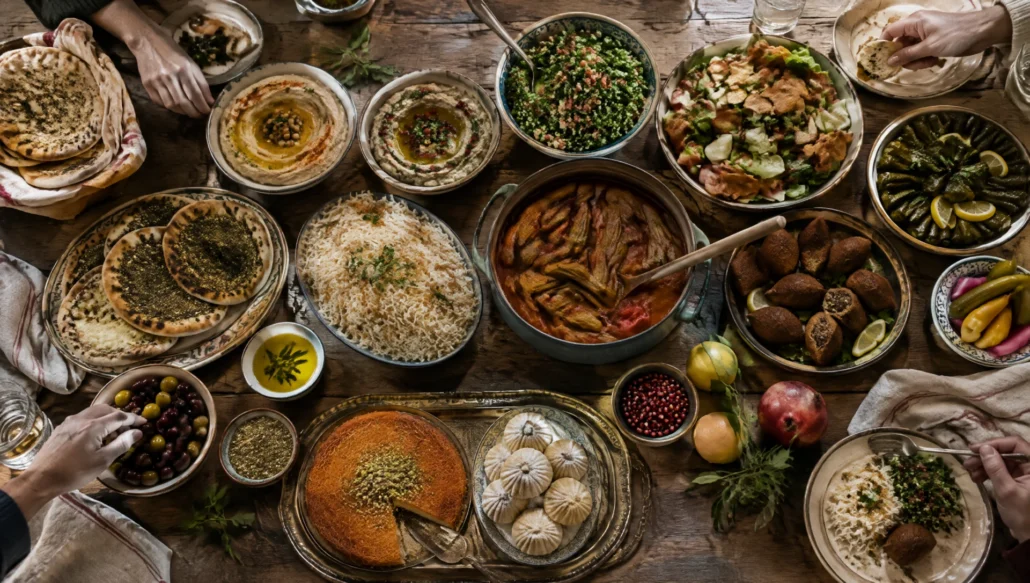
How to Make Crispy Cheese Rolls (Rakakat)
Thin pastry rolled tight around salty Lebanese cheese and parsley, then fried until it shatters. They disappear fast, so make extra.
- Prep time
- 30 minutes, plus 1 hour soaking
- Cook time
- 15 minutes
- Serves
- 6 (about 20 rolls)
- Difficulty
- Medium
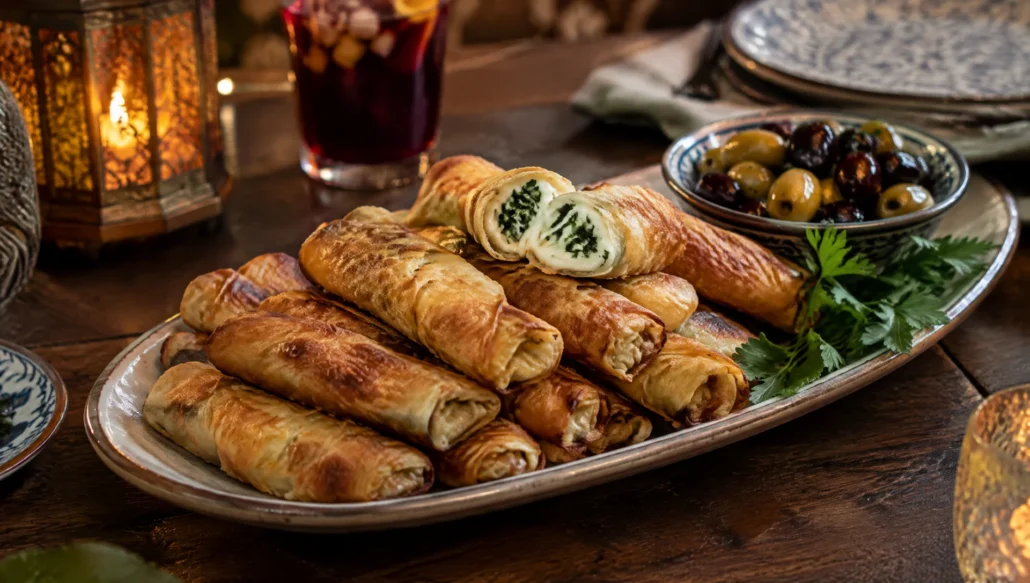
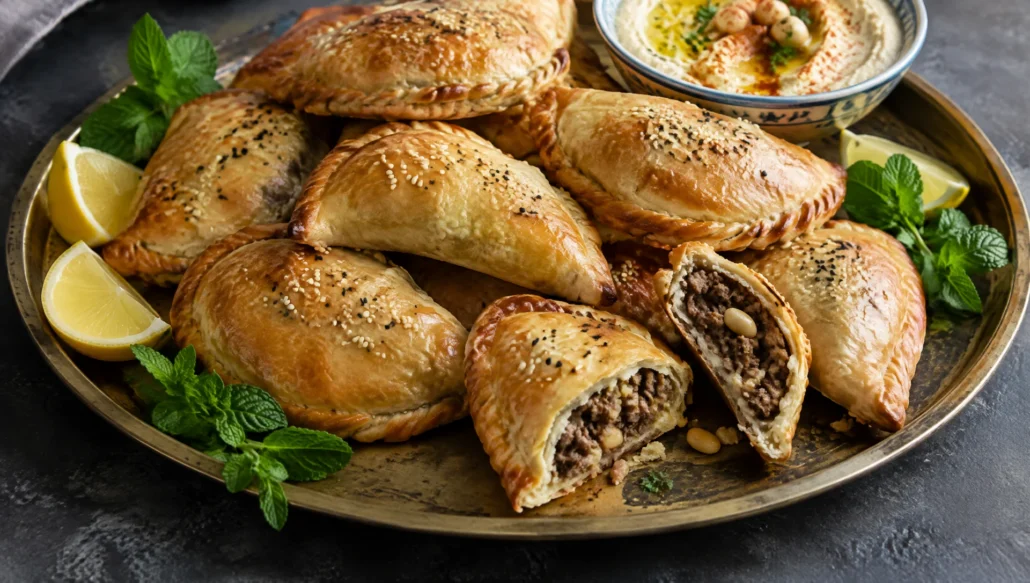
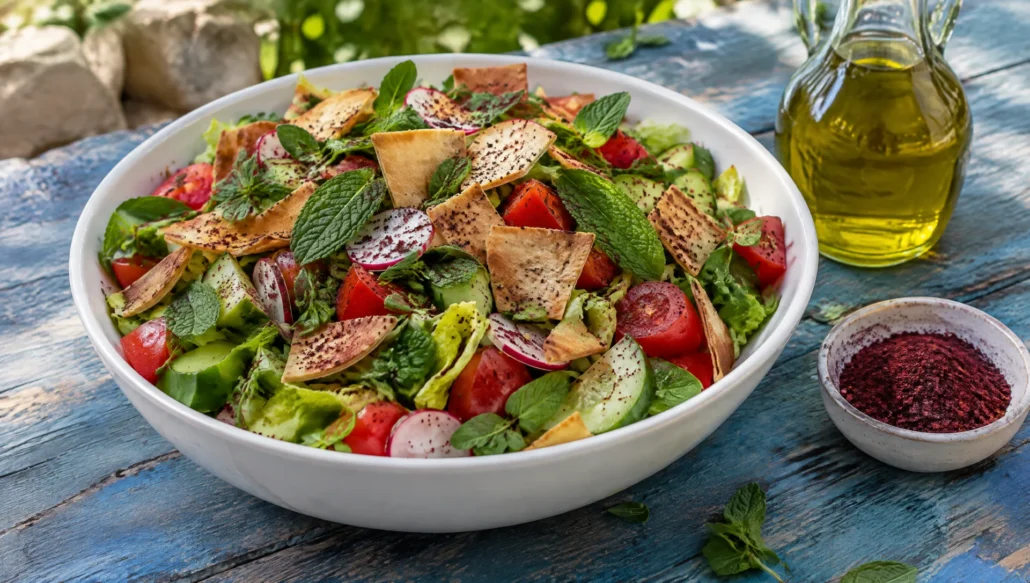
Rakakat bi jibneh are slim, cigar-shaped rolls of thin pastry wrapped around white cheese and parsley, then fried until crisp. They are part of the hot mezze in Lebanese restaurants and a fixture on the table at iftar during Ramadan, next to sambousek, fattoush and lentil soup.
The filling is usually akkawi, a soft white brined cheese, often mixed with halloumi or a stretchy cheese so the center turns gooey. Because Lebanese white cheeses are very salty, the secret is to soak them first. Most home cooks today use ready-made spring roll pastry, which gives a light, blistered crust.
Ingredients
For the filling
- 200 g (7 oz) akkawi cheese
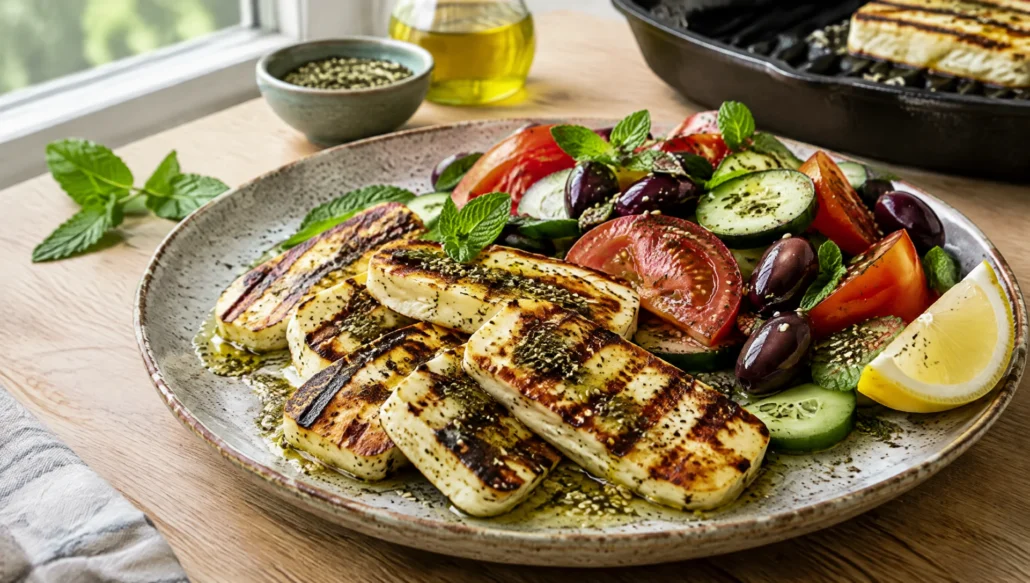
- 200 g (7 oz) halloumi, or low-moisture mozzarella for a stretchier filling
- 1 small egg, beaten (optional, helps the filling hold)
- 15 g (1/2 cup) flat-leaf parsley, finely chopped
- 1/4 teaspoon black pepper
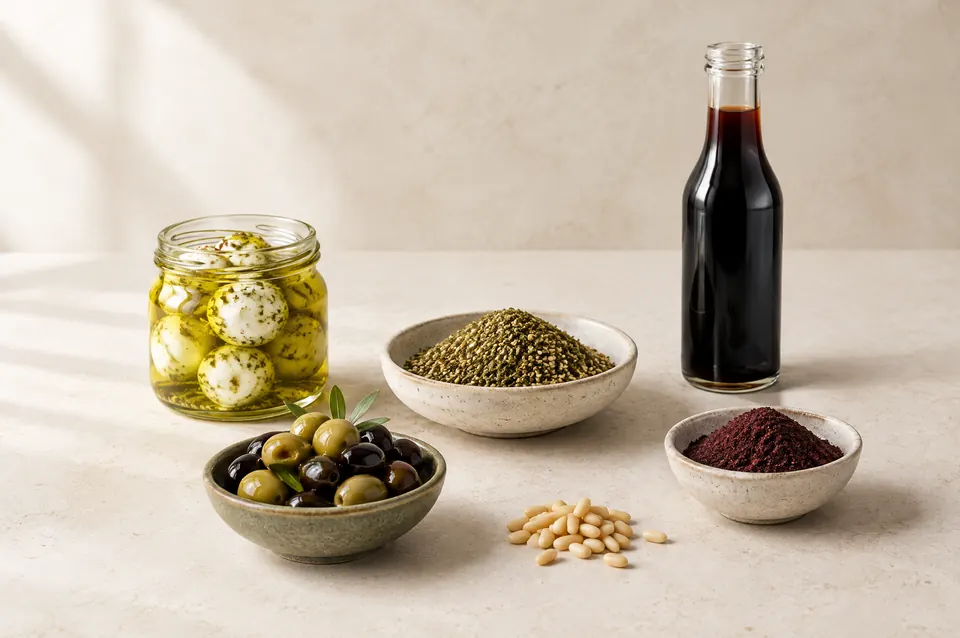
- 1/2 teaspoon nigella seeds (optional)
For rolling and frying
- 20 spring roll pastry sheets, about 21 cm (8 1/2 inch) square, thawed if frozen
- 1 tablespoon all-purpose flour mixed with 1 tablespoon water, to seal
- About 750 ml (3 cups) sunflower or vegetable oil, for frying
Instructions
- Cut the akkawi and halloumi into chunks and soak them in a bowl of cold water for 1 to 2 hours, changing the water once or twice. Taste a piece: it should be pleasantly salty, not sharp. Skip this for mozzarella.
- Drain the cheese, squeeze it dry in a clean towel and grate it coarsely into a bowl.
- Add the parsley, black pepper, nigella seeds and the egg, if using. Mix well.
- Mix the flour and water into a thick paste. Keep the pastry sheets under a damp towel while you work so they do not dry and crack.
- Lay one sheet on the counter as a diamond, with a corner pointing toward you. Place about 1 1/2 tablespoons of filling in a thin log about 3 cm (1 inch) above that corner.
- Fold the bottom corner over the filling, fold in the left and right corners, then roll up tightly toward the top corner. Dab a little paste on the tip and press to seal.
- Place the roll seam side down on a tray and repeat with the rest. Keep the rolls about pencil-thick to finger-thick so they cook evenly.
- Heat 3 to 4 cm (1 1/2 inches) of oil in a deep frying pan to 175°C (350°F). A cube of bread should sizzle and brown in about 30 seconds.
- Fry 4 or 5 rolls at a time, turning once, for 2 to 3 minutes, until deep golden and blistered all over.
- Lift them out with a slotted spoon onto a rack or paper towels and let them rest for 2 minutes before serving. The cheese inside is very hot.
Tips for the best rakakat
- Roll tightly and seal well. Loose rolls let cheese leak into the oil.
- Keep the oil temperature steady. Too cool and the pastry soaks up oil; too hot and it browns before the cheese melts.
- Do not overfill. A thin line of cheese gives a crisp, delicate roll.
- Squeeze the soaked cheese properly. Extra water makes the oil spit and the pastry soggy.
Variations
- Baked rakakat: brush the rolls with olive oil and bake on a lined tray at 200°C (400°F) for 15 to 18 minutes, turning halfway, until golden.
- Phyllo rakakat: use two layers of phyllo cut into strips, brushed with melted butter, and bake as above.
- Extra flavor: add a little crumbled feta, chopped mint or a pinch of Aleppo pepper to the filling.
How to serve and store
Serve hot with the rest of the mezze, such as fattoush and sambousek. To make ahead, freeze unfried rolls in a single layer on a tray, then bag them; fry from frozen, adding about 1 minute. Fried rakakat are best eaten within an hour.
Lebanese producers for the key ingredients
Good cheese makes all the difference. Bionord in Kelbata, Koura, makes both akkawi and halloum from cow’s milk, and Goût Blanc in Annaya makes a goat halloum that works well too.