Top 5 Cities and Areas to Visit in Lebanon (and What to Do)
Five Lebanese cities, five very different days: the capital, a Phoenician harbour, a bay under Harissa, a southern souk and a wine town in the Bekaa.
- Region
- Across Lebanon
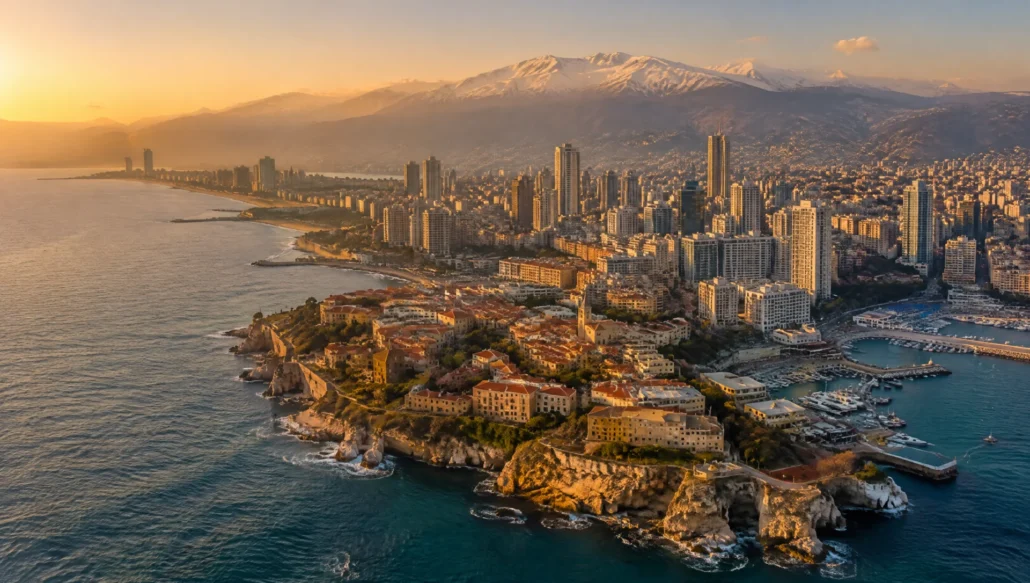
Lebanon’s cities are close together but very different from each other. Beirut is loud, layered and open late. Byblos is a small stone harbour town with history going back to the Neolithic under its streets. Jounieh curves around a bay below the shrine of Harissa. Sidon keeps one of the most intact old souks on the coast, and Zahlé sits in the Bekaa among vineyards and riverside restaurants.
All five are within about an hour of Beirut by car in normal traffic, so you can base yourself in the capital and visit the others as day trips, or move around and sleep in each.
How we chose
We kept four picks from the original list and swapped Brummana for Byblos, which most first-time visitors should not miss. Brummana is still mentioned below as an easy escape from Beirut. Each place was chosen for what you can see and eat there in a day, and the facts were checked against UNESCO and published sources.
1. Beirut
Start downtown, where the Maronite Cathedral of St George and the Mohammad al-Amin Mosque stand side by side on the edge of Martyrs’ Square, and the Greek Orthodox Cathedral of St George hides a crypt museum under Nejmeh Square. Then take a taxi to the National Museum for the sarcophagus of Ahiram and the Phoenician collection, and on to the Sursock Museum in Achrafieh for modern Lebanese art.
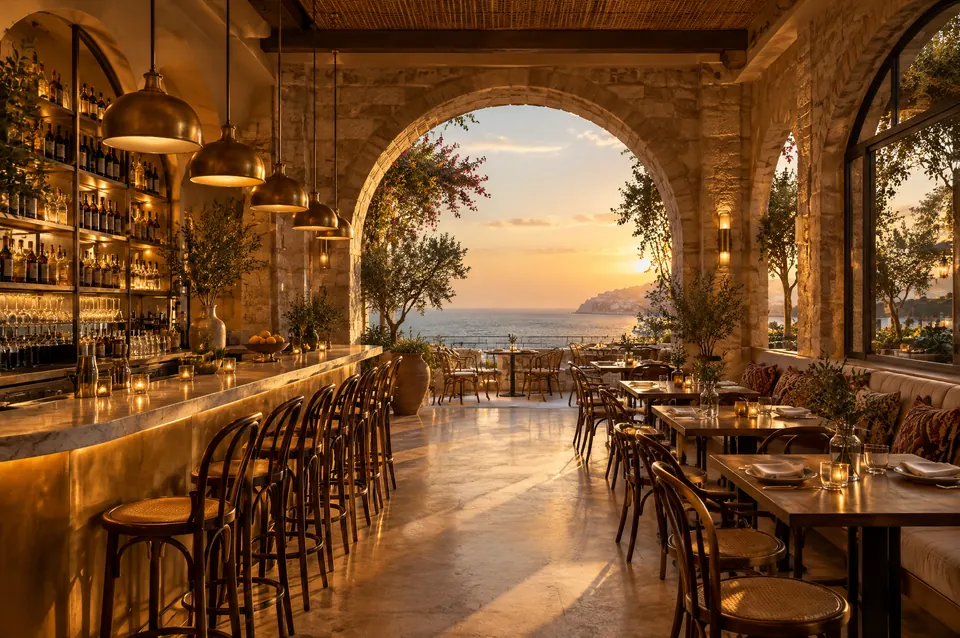
In the late afternoon, walk the Corniche to Pigeon Rocks at Raouché. At night, Gemmayzeh and Mar Mikhael are the places for bars and small restaurants. A long lunch of mezze in the leafy courtyard of Café Em Nazih is a good way to slow down. When the city heat gets too much, Brummana and Beit Mery in the Metn hills are about half an hour away and noticeably cooler.
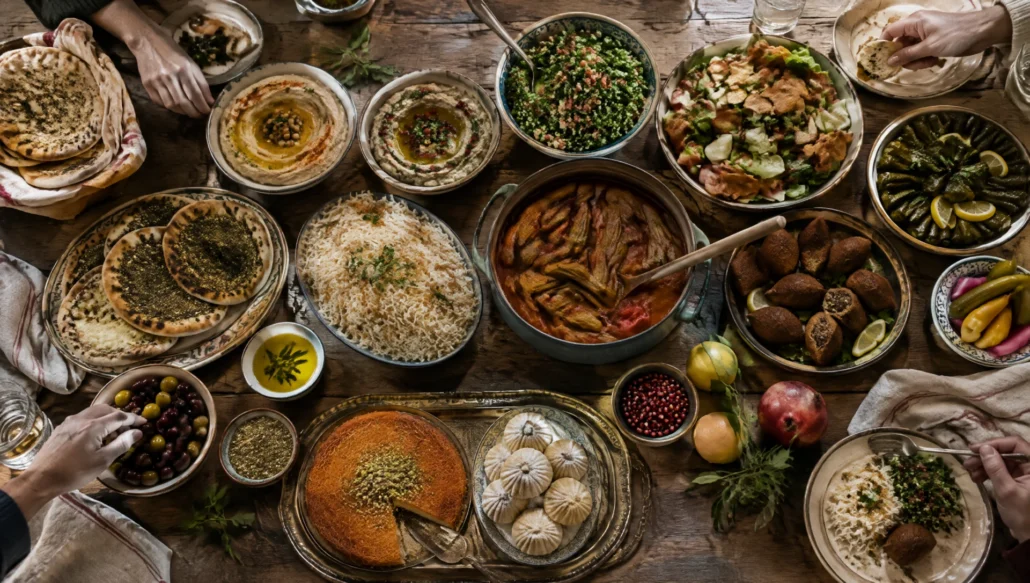
Food is a big part of any Beirut day. Grab a late-night shawarma or fresh juice in Hamra, try Armenian dishes in Bourj Hammoud, and look for Souk el Tayeb, the weekly farmers’ market where small producers from across the country sell their food. Neighbourhoods change character every few streets, so walking is the best way to see the city, with taxis for the longer hops.
2. Byblos (Jbeil)
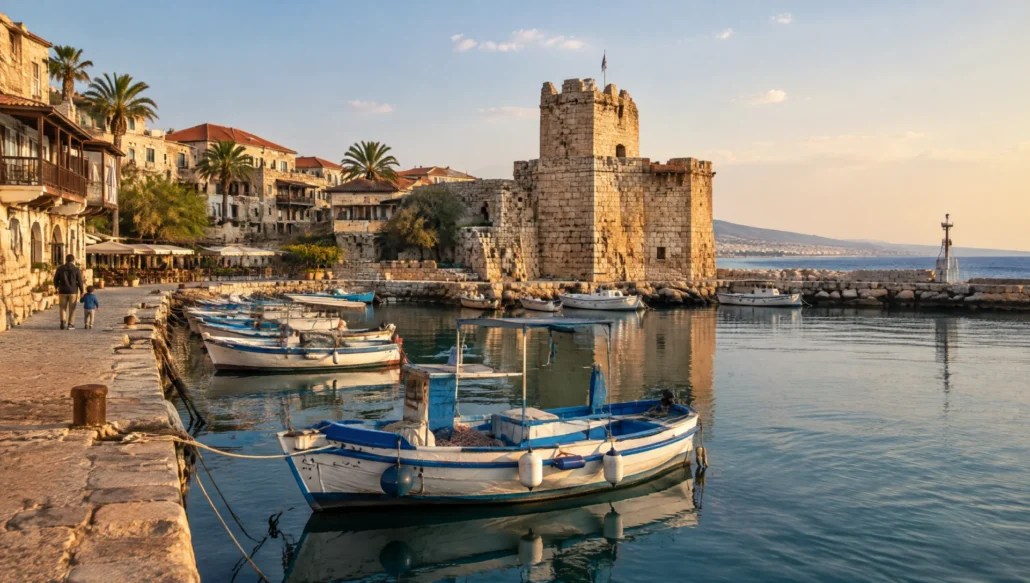
About 40 km north of Beirut, Byblos is a UNESCO World Heritage site and one of the oldest inhabited towns in the world. The archaeological site around the Crusader castle shows almost every period at once: Bronze Age temples, Persian walls, a Roman road and theatre, and the royal tombs where the Ahiram sarcophagus was found. The medieval town around it has a restored souk, the Crusader church of St John-Marc and a small fishing port lined with seafood restaurants.
Spend the morning on the site, eat by the harbour, and in the afternoon drive into the hills to taste wine at Domaine St Gabriel in Ghalboun. In summer, the Byblos International Festival brings concerts to a stage by the sea.
Byblos is small enough to walk end to end in twenty minutes, which makes it one of the easiest places in Lebanon to visit without a car. Evenings are lively in summer, when the old streets fill with families and the harbour restaurants set their tables by the water.
3. Jounieh and Harissa
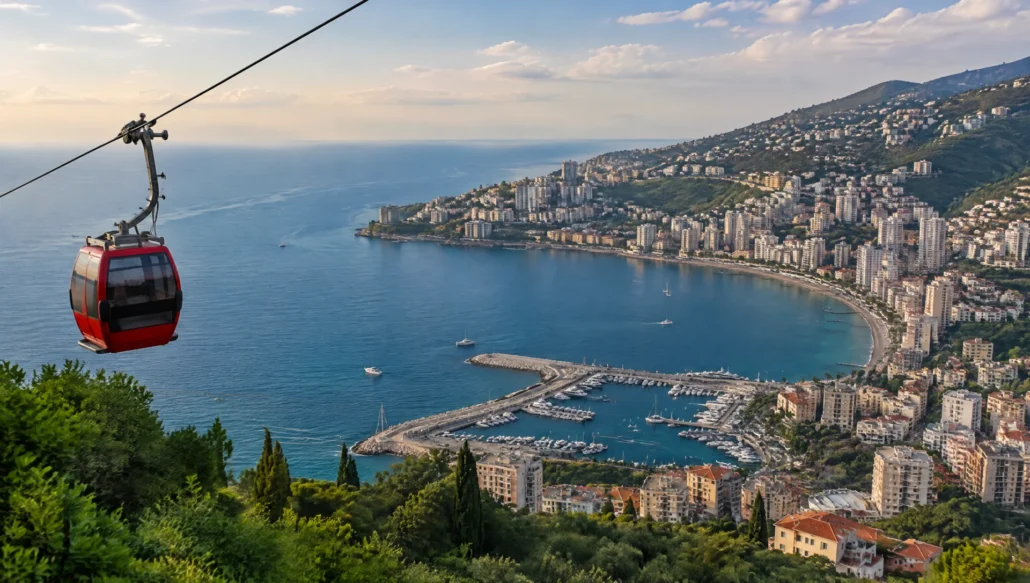
Jounieh is the coastal city of Keserwan, set on a wide bay about 20 km north of Beirut. Its old souk has stone arches, small shops and cafés, and the Casino du Liban sits at the northern end of the bay. Above it all, the white statue of Our Lady of Lebanon at Harissa has looked over the water since 1908.
Take the Téléphérique cable car from Jounieh up to Harissa for the view, then come back down for dinner on the bay. Jounieh is also a good base for hiking: the ecotourism club Vamos Todos is based here and runs weekly walks in the mountains behind it, including Jabal Moussa.
4. Sidon (Saida)
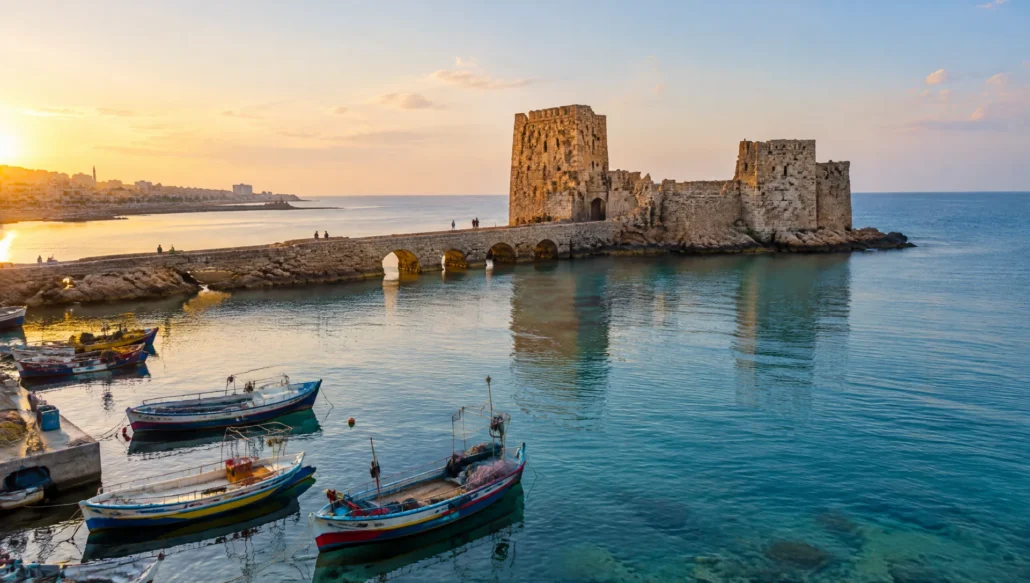
Sidon is the main city of the south, about 45 km from Beirut. Its Sea Castle was built by the Crusaders in 1228 on a small island and is linked to the shore by a stone causeway around 80 metres long. Behind the harbour, the old souk is a maze of vaulted lanes with workshops, bakeries and the Khan el Franj, a large 17th-century caravanserai.
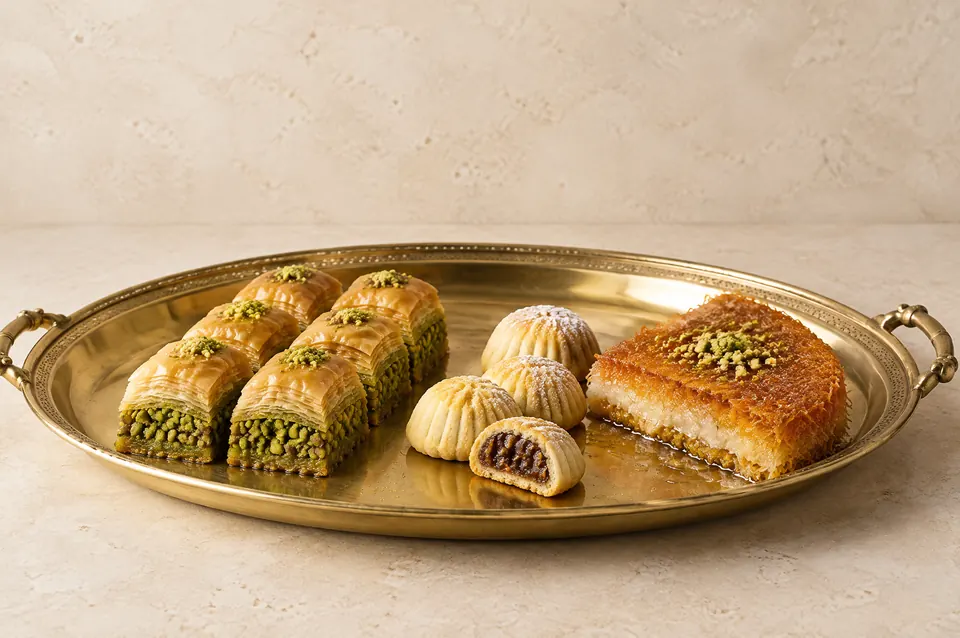
Inside the souk, the Debbane Palace, built in 1721 as an Arab-Ottoman mansion, is now a museum, and the Soap Museum nearby explains how olive oil soap has been made in the city for generations. Finish with sweets from Kanaan Sweets, a Saida name with family roots in the trade going back to 1946.
Sidon is also the natural gateway to the south. Tyre, with its Roman hippodrome and seaside ruins, is about 40 minutes further down the coast, so many visitors pair the two in one long day. Start in Sidon in the morning, when the souk workshops are busy and the fish market is in full swing.
5. Zahlé
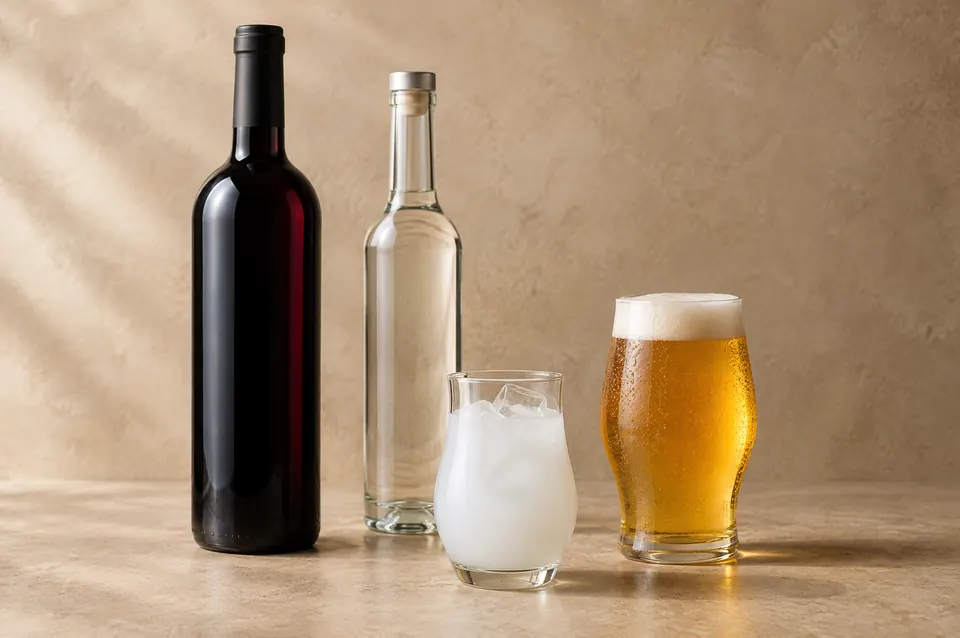
Zahlé, the capital of the Bekaa Governorate and one of Lebanon’s largest cities, sits at about 1,000 metres on the slopes above the valley. It is known as the city of wine and poetry. Along the Berdawni river, a promenade called Al Wadi is lined with open-air restaurants serving long mezze and arak, and the hilltop shrine of Our Lady of Zahlé, a 54-metre tower topped by a 10-metre bronze statue, overlooks the whole plain.
Wine is the reason many people come. Château Ksara, with its old vaulted cellars, is just outside town, and family producers such as Château Heritage make wine and arak from Zahlé vineyards. Pick up labneh and cheese from Skaff Dairy Farm for the drive home.
Tips
- Beirut traffic can double journey times. Leave early, especially on Friday and Sunday evenings.
- Byblos, Jounieh and Harissa fit in one day north of Beirut. Sidon pairs well with Tyre further south.
- For Zahlé, go in late summer or autumn for the grape harvest, and bring a jacket for the evening.
- Byblos and Jounieh are busiest on weekend evenings. Go on a weekday if you want the souks to yourself.
- Carry some cash: small restaurants and sweet shops do not always take cards.
- Check current travel advice for the south and the Bekaa before you go.